
MediaNama’s Take
The closure of MyPickup highlights an ambitious but unsustainable business model in India’s ride-hailing sector as the company couldn’t find a viable product-market fit with its subscription-based, electric powered auto-rickshaws, which employed salaried drivers and offered daily commutes to users.
Despite attempts to address inefficiencies within the daily commuting model by foregoing dynamic pricing and following the same-driver-every-day model, MyPickup could not overcome the challenges in urban India’s mobility ecosystem.
The closure of MyPickup is a significant one in the Indian startup ecosystem, where platforms like Ola, Uber, and Rapido continue to dominate. For context, such heavyweight entities scale quickly through venture capital-backed funds and use a flexible, demand-based dynamic pricing model along with a gig economy model that can potentially reduce expenditure: as the drivers are not on the official payroll.
Notably, MyPickup’s approach of employing salaried drivers – though innovative or rather much needed – could not compete with the operational efficiency and accessibility of the above-mentioned larger competitors.
This also signals the increasing consolidation of power among a few key platforms within India’s ride-hailing market. While the model of salaried drivers and EV-only fleets offers environmental and social benefits, the MyPickup case study shows that sometimes these measures are not enough to keep a business afloat over a sustained time period.
What’s the news?
Abhijeet Jagtap, the Founder of ride-hailing app My PickUp, has announced that the company is closing its operations and ending the services. He cited the lack of the right product-market fit and the capital as the reason for the closure.
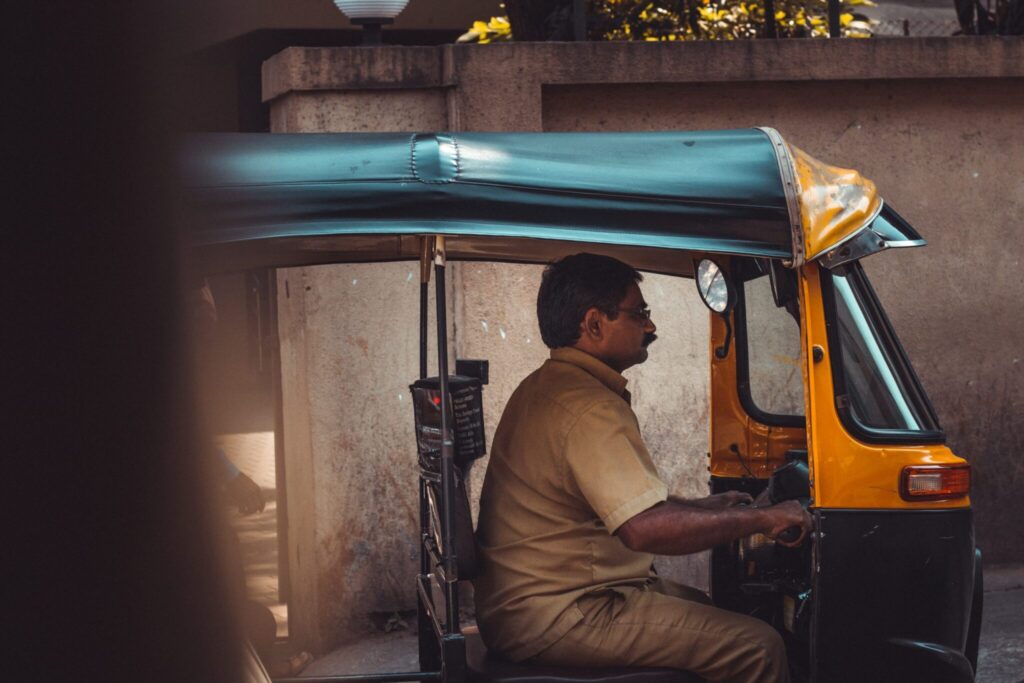
For context, MyPickup was a subscription-based ride-hailing service that provided its own fleet of electric vehicles (EVs), whose drivers were on payroll, unlike other major platforms in the ride-hailing ecosystem.
The company had operations only in Bengaluru and unlike the instant booking of autos and cabs, MyPickup targeted customers who preferred regular daily commuting through EV auto-rickshaws.
What was the Business Model of MyPickup?
The business model didn’t rely on surge pricing; instead, it relied on consistent pricing, even offering the same driver every day. In a Reddit post, the company’s founder had revealed that all the EVs were owned by MyPickup, and the auto-drivers were hired on a salaried basis, which is quite different from the other ride-hailing platforms like Ola, Rapido and Uber.
MyPickup’s target customers were usually daily office goers and school children. “We try our best to allocate the same driver daily for your convenience and safety,” reads the website of the now-defunct company.
In the LinkedIn closure announcement, Jagtap claimed that during MyPickup’s peak time, it had around 4,000 rides per…
Source link
Disclaimer
We strive to uphold the highest ethical standards in all of our reporting and coverage. We blogs.grocliq.com want to be transparent with our readers about any potential conflicts of interest that may arise in our work. It’s possible that some of the investors we feature may have connections to other businesses, including competitors or companies we write about. However, we want to assure our readers that this will not have any impact on the integrity or impartiality of our reporting. We are committed to delivering accurate, unbiased news and information to our audience, and we will continue to uphold our ethics and principles in all of our work. Thank you for your trust and support.
Website Upgradation is going on for any glitch kindly connect at [email protected]