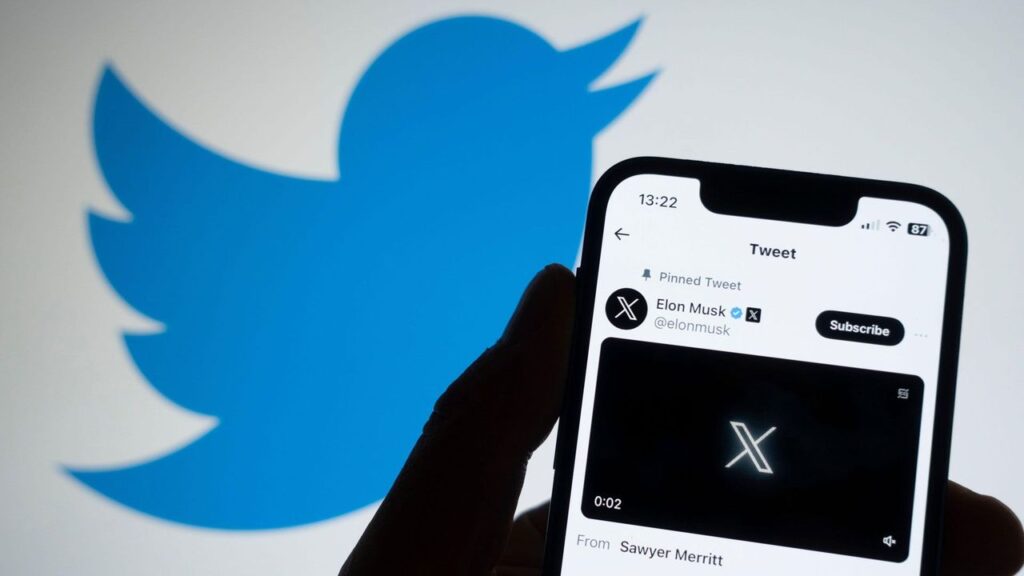

Sahyog Portal is an instrument of public good, Justice M. Nagaprasanna of the Karnataka High Court said in this summary of findings while dismissing X’s petition against the Indian Government on September 24. The court has also dismissed journalist Abhinandan Sekhri and digital media body DigiPub’s intervening application in the case.
“Sahyog portal, far from being constitutional anathema, in its truth, is an instrument of public good. Conceived under the authority of Section 79 (3)(b) of the IT Act and Rule 3(d) of the 2021 it stands as a beacon of cooperation between the citizen and the intermediary, a mechanism through which the state endeavors to combat the growing menace of cybercrime. To assail its validity is to misunderstand its purpose, hence the challenge is without merit,” the Judge said reading out the summary.
This comes as part of the lawsuit X (formerly Twitter) had filed against the government for its use of Section 79(3)(b) of the IT Act, 2000, to issue content takedown notices. Section 79 of the IT Act guarantees intermediaries (like online platforms) immunity from liability for the content that a third party posts on their service. Part (3)(b) of Section 79, however, states that platforms can lose this liability if they fail to remove unlawful content after the government or its agencies notify them about said content. Through the Sahyog Portal, the government has sought to automate the process of sending takedown notices. X argued that this process was bypassing the content takedown/blocking process specified under Section 69A of the IT Act.
You can read a breakdown of X’s key arguments here and the government’s arguments here.
Key details from the court’s summary of findings:
One of the key pieces of argument in this case was the Supreme Court’s decision in the Shreya Singhal case in 2015. In that case, the apex court had upheld Section 69A of the IT Act because of the procedural safeguards that the government must comply with to issue takedowns under the section. Justice Nagaprasanna summarises the court’s findings, stating that the Shreya Singhal case spoke of the 2011 blocking rules; however, since then, the government has released the IT (Intermediary Guidelines and Digital Media Ethics Code) Rules, 2021, which demand their own interpretation.
Besides this, he observed that social media cannot be left completely unregulated and that one cannot categorise India’s attempt at regulation as unlawful.
Advertisements
“Unregular regulated speech under the guise of liberty becomes a license for lawlessness. Regulated speech, by contrast, preserves both liberty and order, the twin pillars upon which democracy must stand. No social media platform in the modern-day Agora may even feign the semblance of exemption from rigor of discipline of the laws of the land.
None may presume to treat the Indian marketplace as a mere playground where information can be disseminated…
Source link
Disclaimer
We strive to uphold the highest ethical standards in all of our reporting and coverage. We blogs.grocliq.com want to be transparent with our readers about any potential conflicts of interest that may arise in our work. It’s possible that some of the investors we feature may have connections to other businesses, including competitors or companies we write about. However, we want to assure our readers that this will not have any impact on the integrity or impartiality of our reporting. We are committed to delivering accurate, unbiased news and information to our audience, and we will continue to uphold our ethics and principles in all of our work. Thank you for your trust and support.
Website Upgradation is going on for any glitch kindly connect at [email protected]