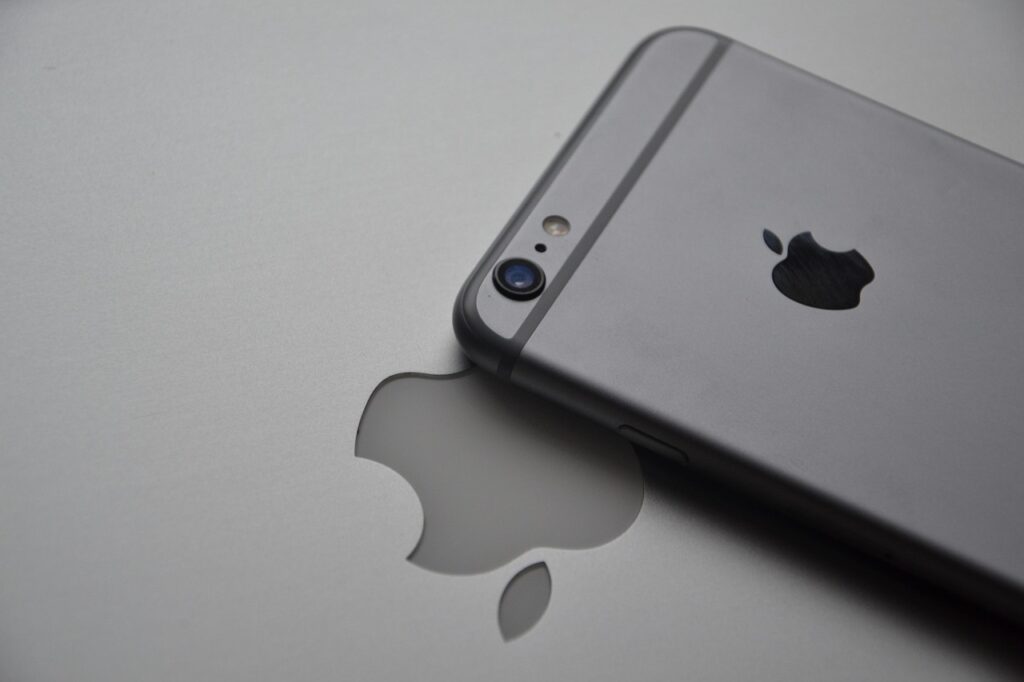

Smartphone manufacturer Apple recently asked the European Union (EU) to rethink the Digital Markets Act (DMA), arguing that it leads to a worse experience for its users in the EU.
The DMA is an anti-trust legislation that targets the digital economy, aiming to promote fair competition among tech companies. The act is enforced by the European Commission (EC), which has previously fined Apple for various violations of the law.
Apple Lists Complications Brought on by DMA
In its statement, the iPhone-maker listed the following complications brought on by the DMA:
Feature Delays:
Apple argued that the DMA delayed features like live ‘AI translation for AirPods’, ‘mirroring iPhones with MacBooks’ and ‘Visited Places and Preferred Routes on Maps’. The company argued that the DMA required it to ensure that all its features would be available for products from other companies as well. However, this carried the risk of exposing the data of Apple users to third-party developers and entities. Solving this problem delayed the launch of features to EU users, which were already available elsewhere in the world.
“We’ve suggested changes to these features that would protect our users’ data, but so far, the European Commission has rejected our proposals. And according to the European Commission, under the DMA, it’s illegal for us to share these features with Apple users until we bring them to other companies’ products. If we shared them any sooner, we’d be fined and potentially forced to stop shipping our products in the EU,” explained the company.
Increased Cybersecurity Risks:
Since the DMA required Apple to allow sideloading, other app marketplaces, and alternative payment systems for apps on the App Store, it exposed Apple users to platforms that did not have the same security standards as the company.
“On other mobile platforms, that leads to harmful look-alike apps that slip through with fewer checks, and marketplaces where users don’t know where to turn if something goes wrong,” said the statement. It added that the DMA led to the availability of pornographic and gambling apps for iPhone users.
Additionally, data sharing requirements under the DMA compel the iPhone maker to provide data of its users to companies that request it, even if the said data is highly sensitive. According to Apple, these requests included the complete content of user notifications and a history of all the WiFi networks a user had joined.
“Large companies continue to submit new requests to collect even more data — putting our EU users at much higher risk of surveillance and tracking. Our teams have explained these risks to the European Commission, but so far, they haven’t accepted privacy and security concerns as valid reasons to turn a request down,” said Apple.
The company further claimed that EU users faced fewer options when it had to delay or withhold features. It also argued that the DMA…
Source link
Disclaimer
We strive to uphold the highest ethical standards in all of our reporting and coverage. We blogs.grocliq.com want to be transparent with our readers about any potential conflicts of interest that may arise in our work. It’s possible that some of the investors we feature may have connections to other businesses, including competitors or companies we write about. However, we want to assure our readers that this will not have any impact on the integrity or impartiality of our reporting. We are committed to delivering accurate, unbiased news and information to our audience, and we will continue to uphold our ethics and principles in all of our work. Thank you for your trust and support.
Website Upgradation is going on for any glitch kindly connect at [email protected]