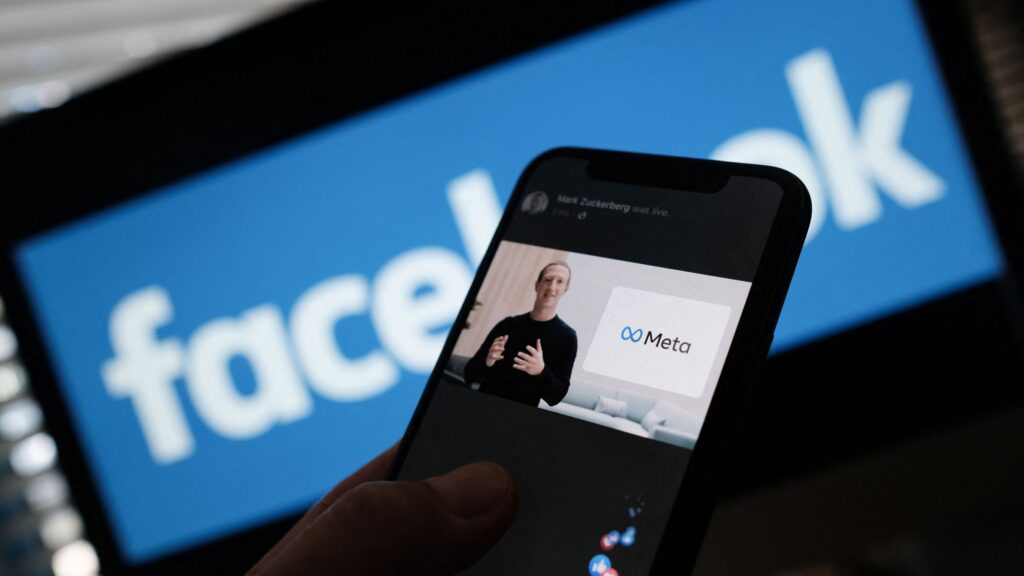

Meta has launched Vibes, a new feed in the Meta AI app and on meta.ai that allows users to create, remix, and share short-form AI-generated videos. The feature is designed to let users experiment with AI video tools, similar to TikTok or Instagram Reels, but entirely AI-driven.
Users can generate videos from scratch or remix videos they see in the feed. They can add music, change visual styles, and share content directly to the Vibes feed, Instagram and Facebook Stories, Reels, or via direct messages. Over time, Meta’s algorithm will personalise the feed based on user interactions.
Meta CEO Mark Zuckerberg shared the launch on Instagram, showcasing examples like a group of fuzzy creatures hopping on cubes, a cat kneading dough, and an ancient Egyptian woman taking a selfie. Meta partnered with AI image generators Midjourney and Black Forest Labs to build the early version of Vibes, while its own AI models remain under development, said Meta’s Chief AI Officer Alexandr Wang.
The move is especially notable given Meta’s earlier focus on “authentic storytelling” over unoriginal content and short-form videos with little value.
Meta has recently restructured its AI operations into Meta Superintelligence Labs, dividing teams into foundation models, research, product integration, and infrastructure, following staff departures and competition from companies like OpenAI, Anthropic, and Google DeepMind.
Vibes is currently in early preview, and Meta is seeking feedback to refine the feature.
OpenAI Enters the AI Video Race
OpenAI is also preparing a TikTok-style app powered by its latest video model, Sora 2. The app will feature a vertical, swipeable video feed with AI-generated clips up to 10 seconds long. Verified users can include their own likeness in videos, and the app notifies them whenever someone uses it. Employees tested the app internally and gave positive feedback, though OpenAI has not commented publicly.
This move positions OpenAI to compete directly with Meta and other tech giants in AI-generated video content, even as platforms face criticism over copyright, originality, and user safety concerns.
Safety, Copyright, and Ethics
Both Meta and OpenAI face scrutiny over AI-generated content and its implications. The Sora 2 app lets users verify their likeness before anyone uses it in videos and notifies them whenever someone applies their likeness. Meta has not publicly detailed a similar verification system for Vibes.
Advertisements
The AI video space raises broader concerns because AI models train on existing media, which can lead to copyright violations, and underage users can be exposed to AI-generated content, creating child safety risks. Platforms also face the challenge of misinformation spread through realistic AI videos. These issues have prompted tech companies, including YouTube and TikTok, to implement stricter policies on AI content and authenticity.
Why It Matters
Meta’s…
Source link
Disclaimer
We strive to uphold the highest ethical standards in all of our reporting and coverage. We blogs.grocliq.com want to be transparent with our readers about any potential conflicts of interest that may arise in our work. It’s possible that some of the investors we feature may have connections to other businesses, including competitors or companies we write about. However, we want to assure our readers that this will not have any impact on the integrity or impartiality of our reporting. We are committed to delivering accurate, unbiased news and information to our audience, and we will continue to uphold our ethics and principles in all of our work. Thank you for your trust and support.
Website Upgradation is going on for any glitch kindly connect at [email protected]