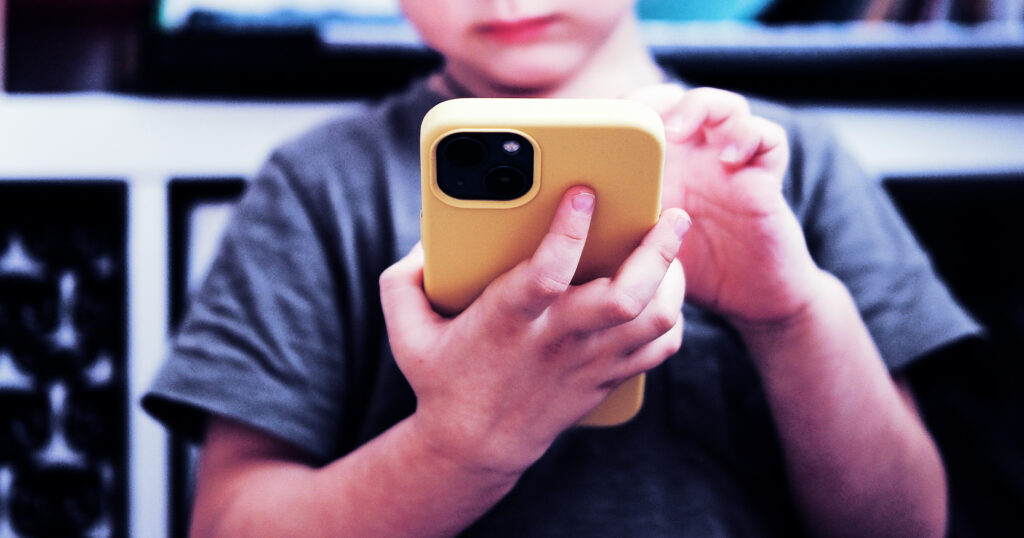

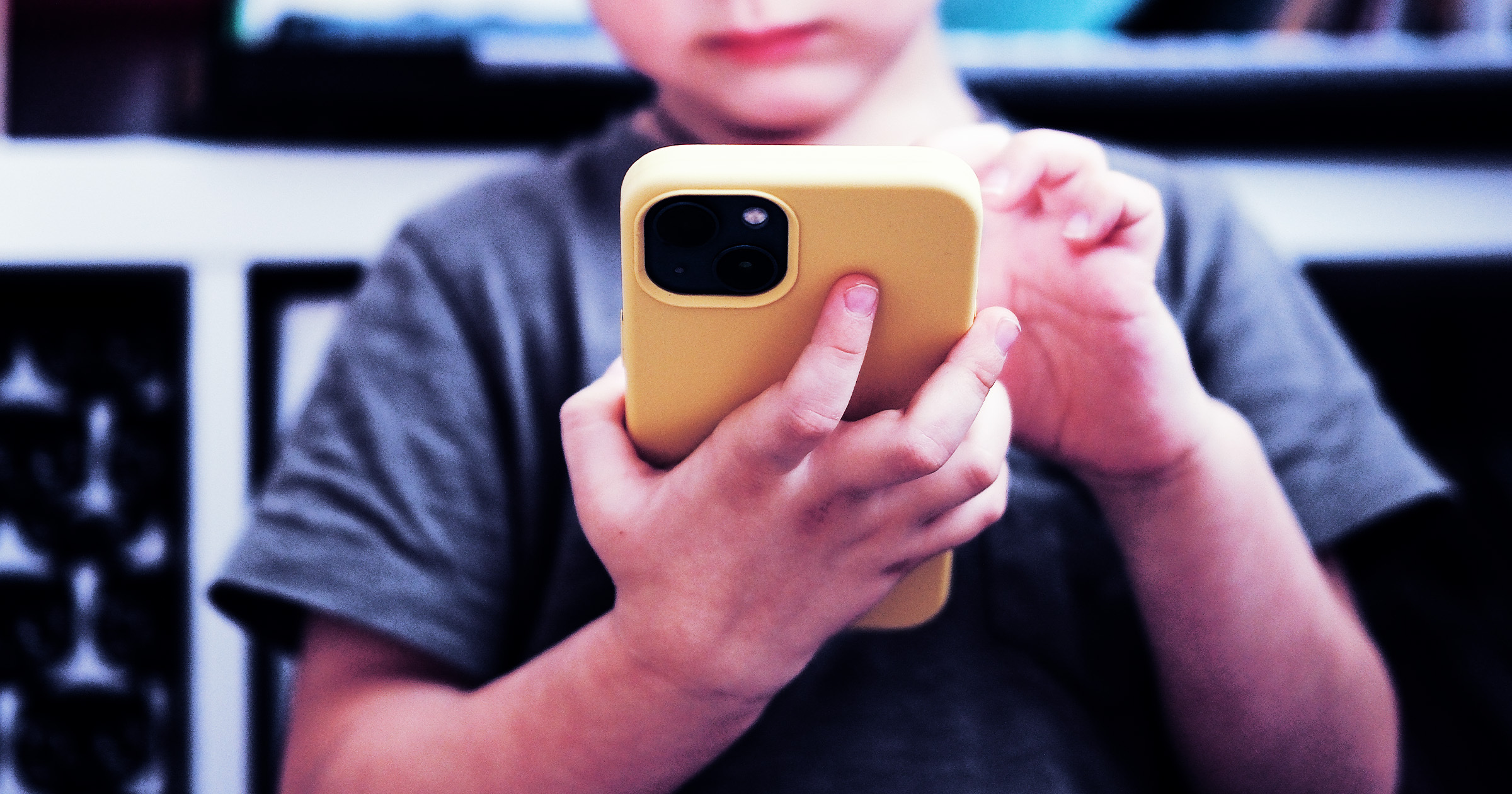
Our society has only recently come to terms with the fact that maybe placating young children by getting them hooked on touchscreen devices with unfettered access to the internet was bad for their brains.
Now, with the rise of human-like AI chatbots, a generation of “iPad babies” could seem almost quaint: some parents are now encouraging their kids to talk with AI models, sometimes for hours on end, The Guardian reports. Others are using the soothing voice of a chatbot to put their kids to bed — all evidence of how this experimental technology has become a part of many people’s daily lives, despite major questions about how the tech affects our mental health.
On Reddit, one tired father named Josh admitted that he gave his preschooler his phone to let him talk to ChatGPT’s Voice Mode.
“After listening to my four-year-old son regale me with the adventures of Thomas the Tank Engine for 45 minutes I tapped out,” he wrote, “so I opened ChatGPT.” In an interview with The Guardian, Josh said he needed to do chores and thought his son “would finish the story and the phone would turn off.”
But when he returned two hours later, the child was still talking to the chatbot about Thomas and friends. The transcript, he discovered, was over 10,000 words long.
“My son thinks ChatGPT is the coolest train loving person in the world,” he wrote. “I am never going to be able to compete with that.”
36-year-old Saral Kaushik told The Guardian he used ChatGPT to pose as an astronaut aboard the ISS so that he could convince his four-year-old son that a packet of “astronaut” branded ice cream came from off the planet.
“[ChatGPT] told him that he had sent his dad some ice-cream to try from space, and I pulled it out,” Kaushik said. “He was really excited to talk to the astronaut. He was asking questions about how they sleep. He was beaming, he was so happy.”
Later, after feeling uneasy about the illusion he was leading his son down, Kaushik told him the truth: he was talking to “a computer, not a person.”
“He was so excited that I felt a bit bad,” Kaushik said. “He genuinely believed it was real.”
While these uses may save parents time and fascinate their children, they’re playing with fire — and their conflicted feelings reflect that. AI chatbots have been implicated in the suicides of several teenagers, while a wave of reports detail how even grown adults have become so entranced by their interactions with sycophantic AI interlocutors that they develop severe delusions and suffer breaks with reality — sometimes with deadly consequences.
These episodes have sparked a wave of alarm and scientific inquiry into how extensive conversations with large language models that are designed to please you and keep you talking could be affecting our brains. They add to already longstanding concerns about the tech’s unreliable and easily circumventable safeguards, with chatbots…
Source link
Disclaimer
We strive to uphold the highest ethical standards in all of our reporting and coverage. We blogs.grocliq.com want to be transparent with our readers about any potential conflicts of interest that may arise in our work. It’s possible that some of the investors we feature may have connections to other businesses, including competitors or companies we write about. However, we want to assure our readers that this will not have any impact on the integrity or impartiality of our reporting. We are committed to delivering accurate, unbiased news and information to our audience, and we will continue to uphold our ethics and principles in all of our work. Thank you for your trust and support.
Website Upgradation is going on for any glitch kindly connect at [email protected]