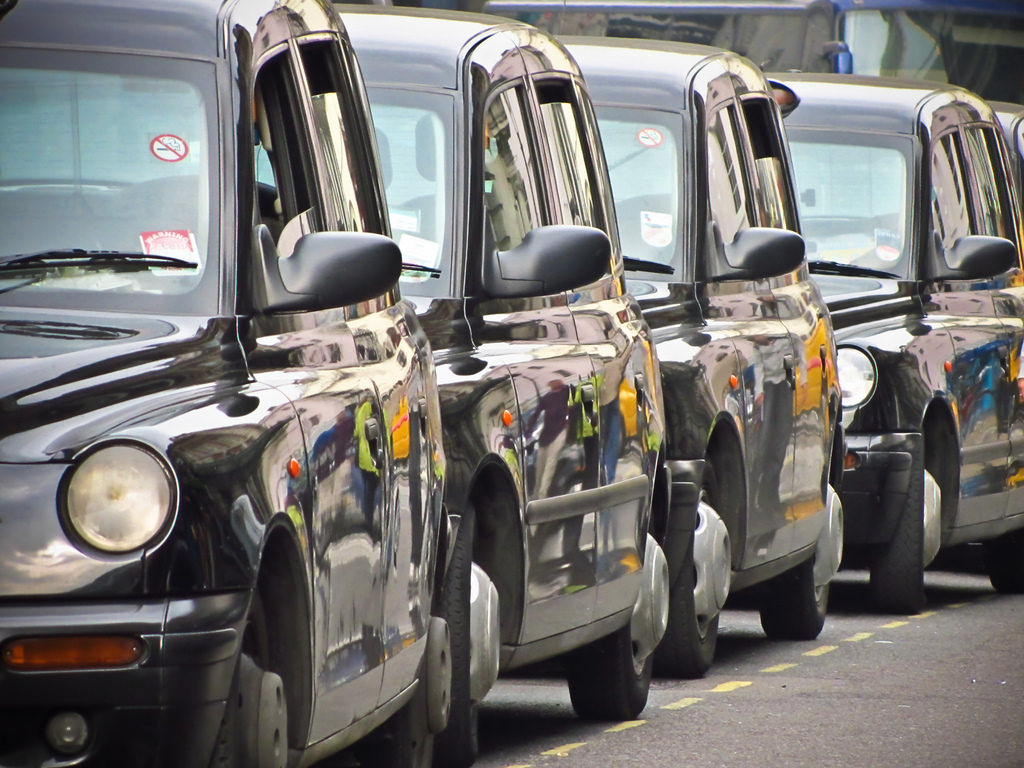

The Maharashtra government has released draft rules for app-based cab aggregators that aim to prevent erratic pricing and ensure that drivers are not exploited, according to a report by The Indian Express.
Titled the ‘Maharashtra Motor Vehicle Aggregator Rules, 2025’, the draft has been published under Sections 73, 74 and 93 of the Motor Vehicles Act, 1988, and the state government has invited suggestions and objections from stakeholders by October 17.
Maharashtra’s Transport Minister Pratap Sarnaik said that this move aims to make app-based travel more transparent and safer for passengers and drivers alike.
“These rules will increase public confidence, improve service quality and ensure that drivers are not exploited,” he remarked.
What Do The New Rules Say?
For Cab aggregators:
Under the proposed framework, app-based cab aggregators are required to obtain a licence either from the State Transport Authority (STA) or from the Regional Transport Authority (RTA). The licence fee has been set at Rs 10 lakh for the state level and Rs 2 lakh per district, with renewal charges of Rs 25,000 and Rs 5,000 respectively.
Aggregators will also have to pay a security deposit based on the number of vehicles they operate — Rs 10 lakh for up to 1,000 vehicles or 100 buses, Rs 25 lakh for up to 10,000 vehicles or 1,000 buses, and Rs 50 lakh for anything over and above . The licence will have a validity of five years.
For Passengers:
Additionally, the draft rules say that aggregator apps will need to provide passengers with an optional travel insurance coverage of up to Rs 5 lakh, and only those vehicles can operate on aggregator platforms that are less than nine years old (in case of autos and cabs) or less than eight years old (in the case of buses).
The new structure further mandates aggregator apps to provide real-time location sharing for passengers and incorporate accessibility features for persons with disabilities. In a major change aimed at curbing trip refusals, drivers are prohibited from seeing passengers’ destinations before accepting rides. Notably, the state government has no control over trip refusals currently.
As per the draft rules, companies such as Ola, Uber and Rapido cannot charge surge fares more than 1.5 times the base fare that the RTA fixes. For context, this is a phenomenon known as surge pricing, which occurs when the demand for rides exceeds supply owing to weather-related conditions or rush hour traffic, causing fares to increase in real-time.
Notably, charging less than 75% of the RTA-fixed fare during low-demand hours is also prohibited. Elsewhere, the convenience fee charged from riders should not exceed 5% of the base fare, and the total deduction — including the platform’s commission — cannot exceed 10%.
For Drivers:
For drivers, the draft policy mandates a number of safeguards to ensure they are not overworked. Drivers can be logged into the app for a…
Source link
Disclaimer
We strive to uphold the highest ethical standards in all of our reporting and coverage. We blogs.grocliq.com want to be transparent with our readers about any potential conflicts of interest that may arise in our work. It’s possible that some of the investors we feature may have connections to other businesses, including competitors or companies we write about. However, we want to assure our readers that this will not have any impact on the integrity or impartiality of our reporting. We are committed to delivering accurate, unbiased news and information to our audience, and we will continue to uphold our ethics and principles in all of our work. Thank you for your trust and support.
Website Upgradation is going on for any glitch kindly connect at [email protected]