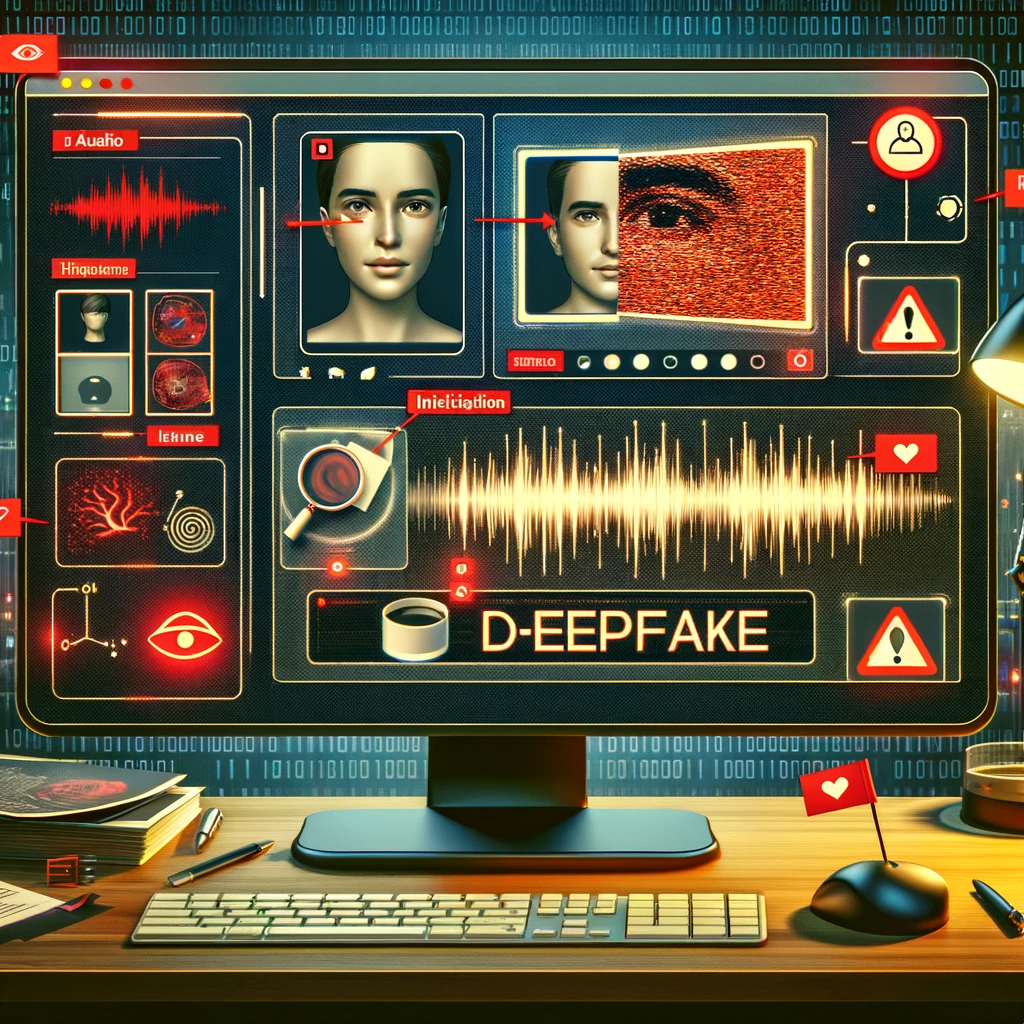

According to the new draft amendment to the Information Technology (Intermediary Guidelines and Digital Media Ethics Code) Rules, 2021 (IT Rules, 2021), AI-generated content, including deepfake material, on social media and the internet will be regulated by the Ministry of Electronics and Information Technology (MeitY).
The draft defines synthetic content as “information which is artificially or algorithmically created, generated, modified, or altered using a computer resource, in a manner that such information reasonably appears to be authentic or true.” MeitY is seeking public comments on the draft amendment. People can send their comments via email to [email protected] by November 6.
India is not the first country to implement a mandatory labeling system for AI-generated content, including deepfakes. China is among the first countries to have formulated legislation around the labelling of “Deep Synthesis Internet Information.” While the original Chinese act in Mandarin can be accessed on the government’s official website, the translated version is available on ChineseLawTranslate.
How does China define Synthetic Content?
The People’s Republic of China’s Ministry of Industry and Information Technology and the Ministry of Public Security govern deepfake content through the act titled “Provisions on the Administration of Deep Synthesis Internet Information Services.” It was created to “carry forward the Core Socialist Values, preserve national security and societal public interests, and protect the lawful rights and interests of citizens, legal persons, and other organisations.”
China defines deep synthesis technology as the use of advanced tools, such as deep learning and virtual reality, that employ AI-based algorithms to create or alter text, images, audio, video, virtual scenes, or other digital information.
According to the law, deep synthetic content includes:
- Text generation and editing: Using AI tools to generate or edit text, including chapter creation, style conversion, and question-and-answer dialogue systems.
- Voice synthesis: Producing or altering speech through text-to-speech, voice conversion, or voice attribute editing.
- Audio generation: Creating or modifying non-voice sounds, such as music or ambient audio.
- Biometric image and video editing: Generating or changing identifiable personal features through face generation, face swapping, attribute editing, or gesture manipulation.
- Non-biometric image and video editing: Generating or enhancing visual content, including image restoration or improvement.
- Digital character and scene creation: Generating or modifying 3D digital figures or virtual environments through simulation or reconstruction.
The law defines deep synthesis service providers as organisations or individuals offering AI-based technologies or related services.
How does synthetic labelling work in China?
Deep synthesis service providers must…
Source link
Disclaimer
We strive to uphold the highest ethical standards in all of our reporting and coverage. We blogs.grocliq.com want to be transparent with our readers about any potential conflicts of interest that may arise in our work. It’s possible that some of the investors we feature may have connections to other businesses, including competitors or companies we write about. However, we want to assure our readers that this will not have any impact on the integrity or impartiality of our reporting. We are committed to delivering accurate, unbiased news and information to our audience, and we will continue to uphold our ethics and principles in all of our work. Thank you for your trust and support.
Website Upgradation is going on for any glitch kindly connect at [email protected]