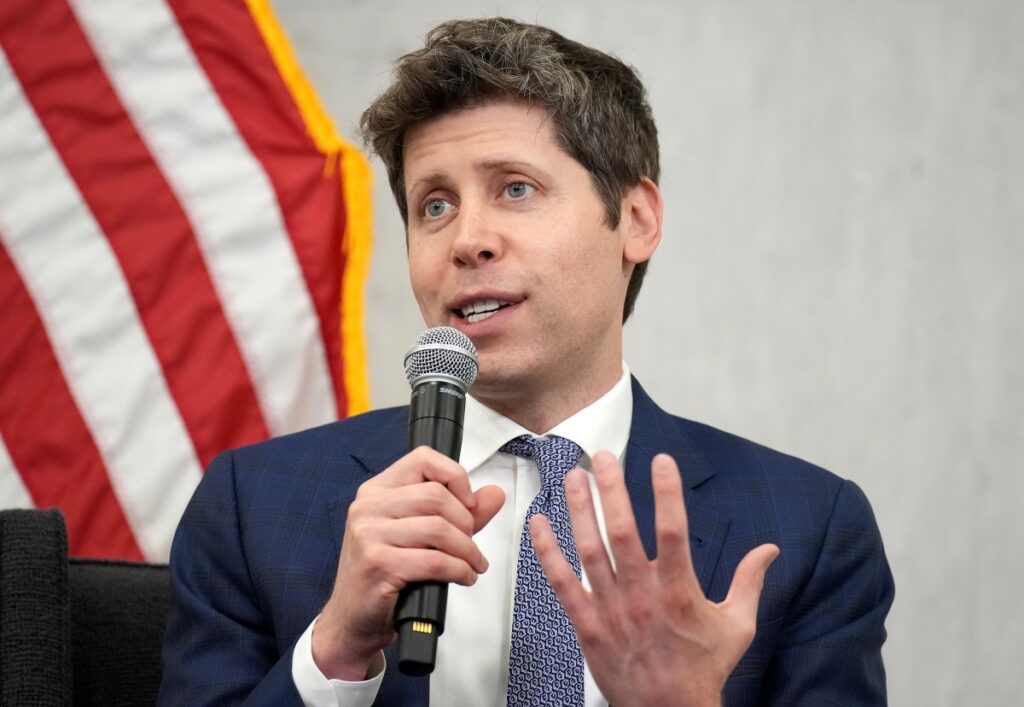

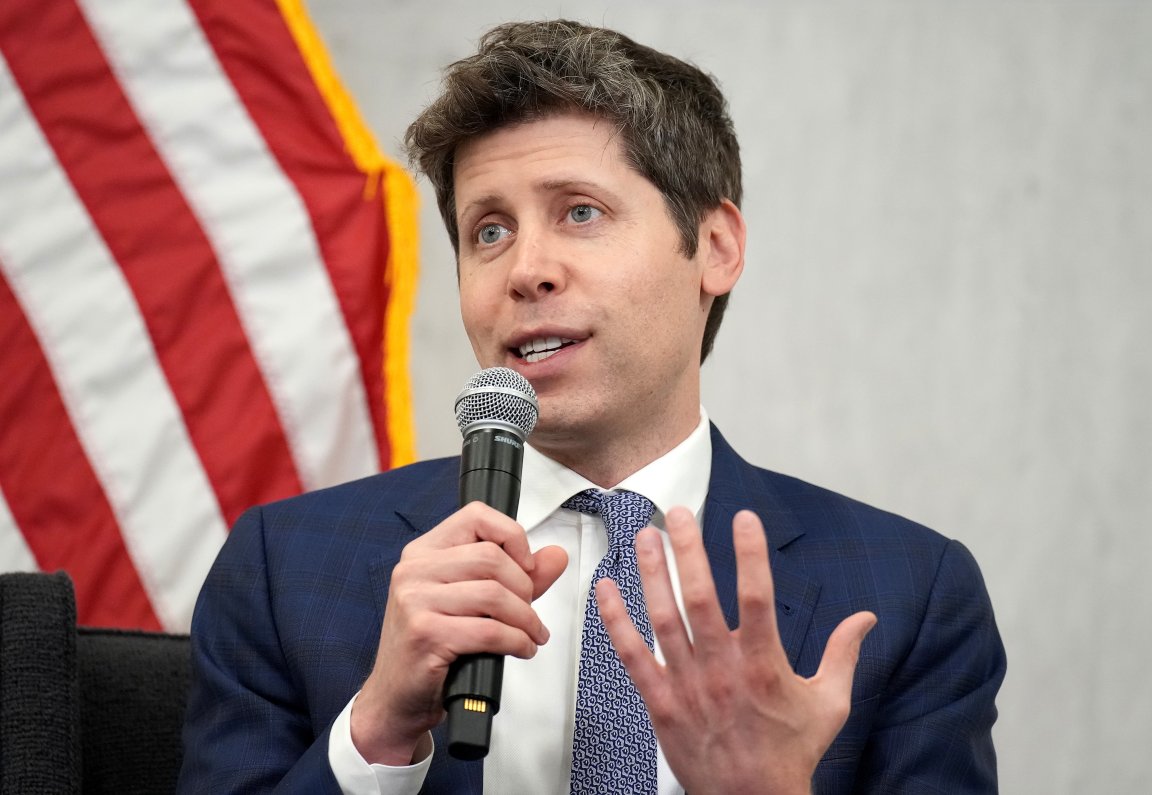
It’s official: OpenAI is now a bona fide for-profit corporation.
On Tuesday, the ChatGPT maker announced that it had restructured its for-profit arm into a public benefit corporation, a type of corporate entity whose ostensible mission is to serve the public good while — crucially — generating loads of profit.
The move completes the company’s metamorphosis: from its origins as a nonprofit devoted to developing open source AI technology for the betterment of humankind to the closed-source, profit-seeking juggernaut that it is today, with its staggering half-trillion dollar valuation reflecting the ominously outsized influence it has on the global economy.
The company’s nonprofit arm, now called the “OpenAI Foundation,” will remain in control of the for-profit arm, rebranded OpenAI Group PBC. But as part of the restructuring, the nonprofit will receive a 26 percent stake in the public benefit corporation equal to $130 billion. Down the line, this also allows OpenAI to list itself on the stock market, generating an even more immense valuation than it currently enjoys.
The restructuring has been over a year and a half in the making, with OpenAI’s longtime patron Microsoft — as well as its rival Elon Musk, who helped cofound OpenAI with CEO Sam Altman before departing the company in 2018 — majorly complicating OpenAI’s conversion.
Originally, OpenAI wanted to usurp its nonprofit from the throne and put its for-profit arm in charge of the entire company. It abandoned these plans in May, however, amid a lawsuit from Musk which tried to block the move, accusing the company of betraying its founding mission of pursuing AI for the benefit of humanity.
Microsoft, meanwhile, had backed OpenAI with billions of dollars in crucial funding, and as a result earned exclusive rights to OpenAI’s intellectual property and software, as well as an agreement to share revenue. It didn’t want to lose these privileges in a restructuring without getting an even bigger stake in the company.
One of the biggest points of contention was artificial general intelligence, or AGI, a hypothetical AI system that surpasses human cognition in virtually all areas. The old deal between Microsoft and OpenAI contained a vaguely worded “AGI clause” stipulating that if OpenAI achieved AGI, Microsoft would lose exclusive rights to the startup’s tech. Microsoft saw this as a huge liability, while OpenAI saw it as an indispensable failsafe against its powerful benefactor.
With the conversion to a public benefit corporation, these issues have been put to bed, at least for the time being. In its own announcement, Microsoft said it will keep its access to OpenAI’s tech if it ever achieves AGI — so long as it has “appropriate safety guardrails” — and that any declaration of achieving AGI will “now be verified by an independent expert panel,” as The Verge…
Source link
Disclaimer
We strive to uphold the highest ethical standards in all of our reporting and coverage. We blogs.grocliq.com want to be transparent with our readers about any potential conflicts of interest that may arise in our work. It’s possible that some of the investors we feature may have connections to other businesses, including competitors or companies we write about. However, we want to assure our readers that this will not have any impact on the integrity or impartiality of our reporting. We are committed to delivering accurate, unbiased news and information to our audience, and we will continue to uphold our ethics and principles in all of our work. Thank you for your trust and support.
Website Upgradation is going on for any glitch kindly connect at [email protected]