
The idea of serving the public has been baked into the bones of journalism ever since the profession was created.
Whether it was quality information to inform the citizenry, or sensationalism and gossip, newsrooms and editors have had the desires and needs of their audiences, noble and ignoble, front of mind.
But this relationship is changing in important and dangerous ways – the latest change in 50 years of technology-driven disruption to our media and public life.
Let me explain.
If you use a search engine such as Google, you will have noticed that in recent times when you ask for information on a topic you are served a neat precis of the main facts at the head of the search results. There are links for further information if you want it, but most people are content with the summary.
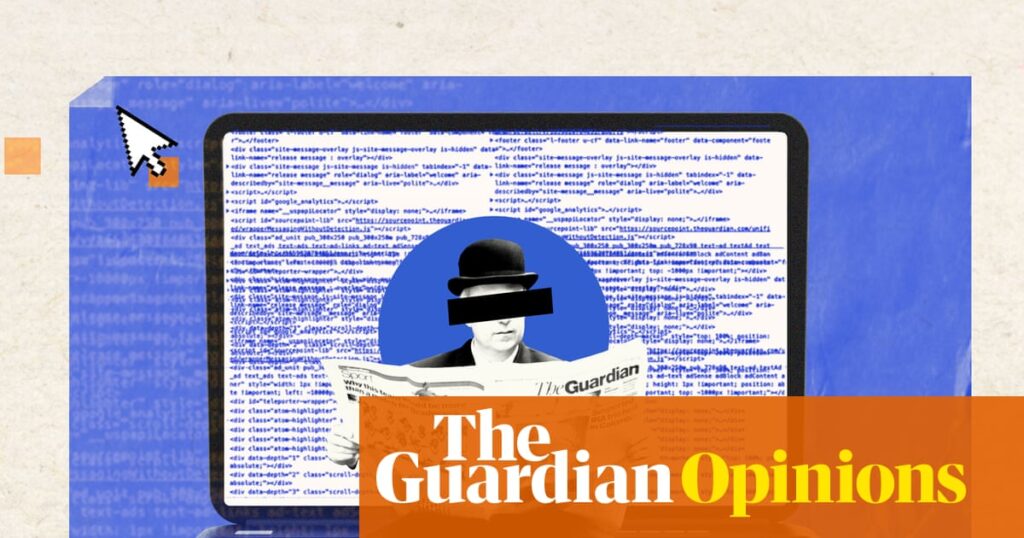
The summary is written by artificial intelligence – by robots – which comb the work of humans, including the work of journalists, to compose the key points.
That means that fewer people are clicking through to news media outlets in search of the news. So far the trend is small, but everyone expects it to increase. And that undermines media business models. Fewer eyeballs on a media organisation’s website or app means fewer subscribers and fewer advertisers willing to pay to reach the diminishing audience.
Let’s leave aside, for the moment, the issue of accuracy of the robot-generated summaries, because most of them are accurate enough. The bloopers are embarrassingly bad, sometimes dangerous, but also increasingly rare.
This is because the AI companies – Google, OpenAI and the rest – are signing deals with media companies that allow them to use content written by journalists, including decades of media archives, to train and feed their robots.
Most of the big media companies have signed some kind of deal, and it is easy to understand why. Media business models have been repeatedly strained, even broken, by successive waves of technological change.
The money on offer for licensing content to the AI companies is almost irresistible. When everyone is doing it, who dares to hang back?
Ethical media companies hedge their agreements with caveats designed to give them some control, and to protect their reputations.
But that can obscure the underlying mechanism – a breach in the relationship between journalists and their audiences. A transfer of power from media brands to AI brands and their owners.
Artificial intelligence is so new, and its development so fast, that only fools would make predictions with confidence. Perhaps there is a bubble, and perhaps it will burst. Perhaps within months a different model will have emerged.
But I fear that if the current trends continue, media organisations may quite rapidly move from a business-to-public model, to a business-to-business model.
The AI companies will intervene between journalist and audience.
Today 22% of…
Source link
Disclaimer
We strive to uphold the highest ethical standards in all of our reporting and coverage. We blogs.grocliq.com want to be transparent with our readers about any potential conflicts of interest that may arise in our work. It’s possible that some of the investors we feature may have connections to other businesses, including competitors or companies we write about. However, we want to assure our readers that this will not have any impact on the integrity or impartiality of our reporting. We are committed to delivering accurate, unbiased news and information to our audience, and we will continue to uphold our ethics and principles in all of our work. Thank you for your trust and support.
Website Upgradation is going on for any glitch kindly connect at [email protected]