
Gagandeep Singh Sapra

Riders, Not Algorithms, Run This Industry of Cloud Kitchens
A few days ago, Zomato rolled out something called VIP Mode — another shiny layer in their ever-expanding fee structure. Pay a little extra, and supposedly you get a “better experience”.
But while that was happening, a very different reality was unfolding on the ground.
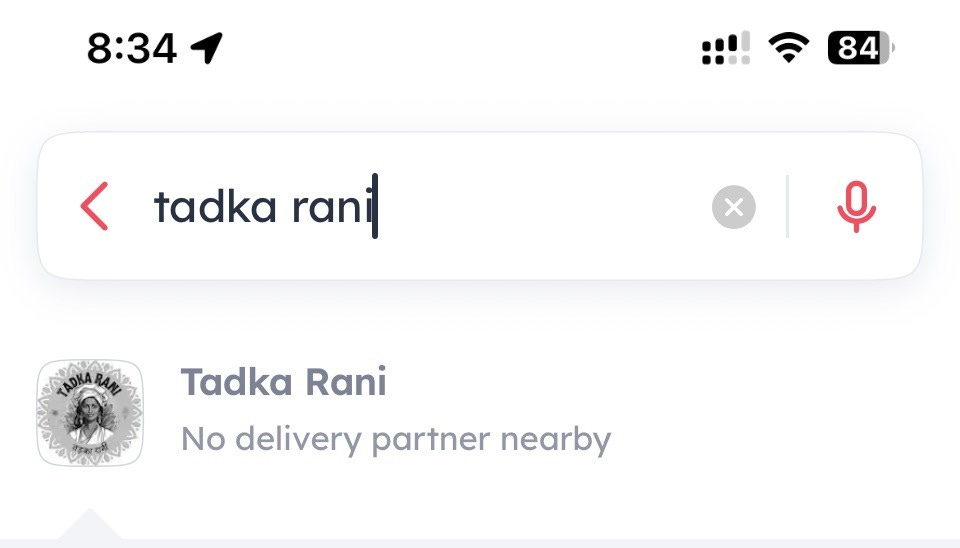
If you’re a restaurant or cloud kitchen operator, your order dashboard has started to look like a hospital monitor on a bad day — flatlines everywhere. No orders. No updates.
And customers calling: “Bhaiya, band ho gaya kya? Offline dikh raha hai!”
It’s chaos in the kitchens… and silence on the platforms.
Somewhere between VIP promises and vanishing orders, something much bigger is breaking in the food delivery world.
The Truth No One Likes Saying Out Loud
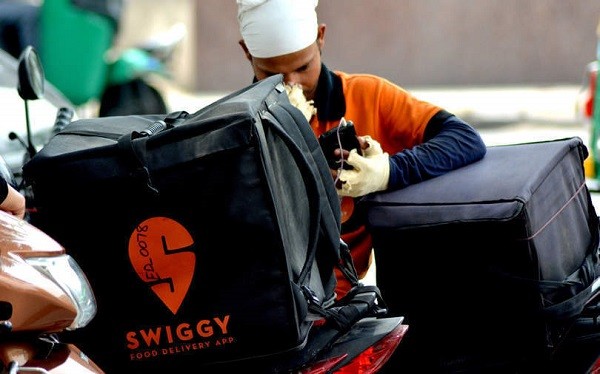
We pretend this industry runs on: algorithms, machine learning, heatmaps, smart batching, dynamic ETAs, utilisation curves …but strip everything away, and one truth remains: this industry moves only when riders move.
Not founders, Not brand marketing, Not kitchen strategy decks. Riders, and lately, that engine — the real engine — is sputtering.
The Rider Crunch Is Real
For the last three weeks, both Zomato and Swiggy have been hit by a perfect storm:
- post-festive fatigue
- pollution peaks
- insane traffic
- elections
- wedding season
- city-wide congestion
- seasonal demand swings
The result? A brutal rider shortage.
Whether you’re trying to book an Uber or order a biryani, the “no rider available” wall is everywhere.
Across our own kitchens, and in deep-dive conversations with operators, we’ve seen salience drops of up to 35%. It’s not new — this has happened before, it will happen again — but this time it’s exposing the real fragility of the system.
Unicorns can build slick apps, push discounts, and optimise like crazy. Kitchens can produce great food at scale. But none of it matters if the rider doesn’t show up.
The Riders Are Tired
Ask any rider today and they’ll say the same thing: Base pay is down, incentives have shrunk, peak payouts are unpredictable, traffic is insane.
So riders do what anyone would:
- They wait for surge.
- They ignore unprofitable orders.
- They switch between apps.
- Or they leave for quick-commerce deliveries that pay better.
To the algorithm, it looks like “supply fluctuation”.
To the restaurant, it looks like “orders down”.
To the rider, it’s simple: “I need to survive.”
And that’s where the collapse begins.
When Riders Pause, Kitchens Collapse
Here’s what sometimes we as founders forget:
Algorithms don’t fulfil orders. Riders do.
Our ROI (return on investment), staff scheduling, prep cycles, batch cooking, inventory efficiency, profits – Everything is now hanging on human beings showing up on bikes.
When riders pull back, it leads…
Source link
Disclaimer
We strive to uphold the highest ethical standards in all of our reporting and coverage. We blogs.grocliq.com want to be transparent with our readers about any potential conflicts of interest that may arise in our work. It’s possible that some of the investors we feature may have connections to other businesses, including competitors or companies we write about. However, we want to assure our readers that this will not have any impact on the integrity or impartiality of our reporting. We are committed to delivering accurate, unbiased news and information to our audience, and we will continue to uphold our ethics and principles in all of our work. Thank you for your trust and support.
Website Upgradation is going on for any glitch kindly connect at [email protected]