
Two 15-year-old Australians have taken the federal government to the Australian High Court, challenging the country’s incoming social media ban for under-16s, as it allegedly violates their constitutional right to political communication, according to a Guardian report.
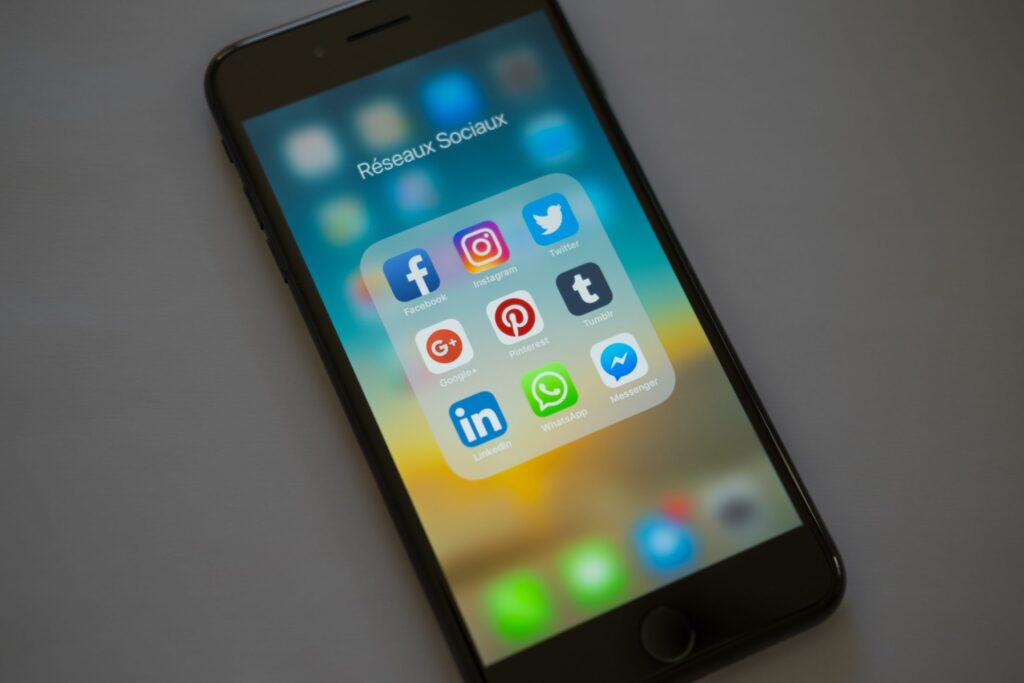
The case, filed by the Digital Freedom Project (DFP) along with teenagers Noah Jones and Macy Neyland, argues that stopping minors from having accounts on social media platforms such as Instagram, TikTok, Snapchat, YouTube and others is an excessive and disproportionate restriction. The government has scheduled the ban to take effect on December 10.
Government stance regarding the Social Media Ban
Communications Minister Anika Wells rejected the criticism in parliament, saying the government will go ahead with the law. “We will not be intimidated by threats… legal challenges. We will not be intimidated by big tech. On behalf of Australian parents, we will stand firm,” she said.
The challenge focuses on the implied freedom of political communication
The DFP says the ban intrudes on the implied constitutional right to freedom of political communication, a principle recognised by the High Court in the 1990s as necessary for informed electoral participation.
DFP president and NSW parliamentarian John Ruddick said the ban is “grossly excessive” and “disproportionate”, arguing it shifts parental responsibility onto the government and regulators. “This ban is a direct assault on young people’s right to freedom of political communication,” he said.
The teenagers involved say the government has ignored the needs of children who use social media to learn and engage.
Noah Jones said, “We’re disappointed in a lazy government that blanket bans under-16s rather than investing in programs to help kids be safe on social media. They should protect kids with safeguards, not silence.”
Macy Neyland said, “If you personally think that kids shouldn’t be on social media, stay off it yourself, but don’t impose it on me and my peers.”
In another statement, she said the ban felt like “Orwell’s book 1984, and that scares me.”
Rights group warns of the impact of social media ban on teens
The Digital Freedom Project says the ban could severely affect young people with disabilities, Indigenous youth, LGBTQI+ teens, and those in rural or remote areas, who often depend on online platforms for information, community and support.
The group argues that alternative measures, such as digital literacy programs, mandatory safety features for platforms, and privacy-preserving age-assurance tools, could improve online safety without cutting off access.
Google had previously considered its own legal challenge, arguing to the government that a ban would prevent under-16s from posting or engaging in political content on YouTube. Although the company had sought an exemption, YouTube ultimately remained within the scope of the…
Source link
Disclaimer
We strive to uphold the highest ethical standards in all of our reporting and coverage. We blogs.grocliq.com want to be transparent with our readers about any potential conflicts of interest that may arise in our work. It’s possible that some of the investors we feature may have connections to other businesses, including competitors or companies we write about. However, we want to assure our readers that this will not have any impact on the integrity or impartiality of our reporting. We are committed to delivering accurate, unbiased news and information to our audience, and we will continue to uphold our ethics and principles in all of our work. Thank you for your trust and support.
Website Upgradation is going on for any glitch kindly connect at [email protected]