
Late one night in April 2020, towards the start of the Covid lockdowns, Shanley Clémot McLaren was scrolling on her phone when she noticed a Snapchat post by her 16-year-old sister. “She’s basically filming herself from her bed, and she’s like: ‘Guys you shouldn’t be doing this. These fisha accounts are really not OK. Girls, please protect yourselves.’ And I’m like: ‘What is fisha?’ I was 21, but I felt old,” she says.
She went into her sister’s bedroom, where her sibling showed her a Snapchat account named “fisha” plus the code of their Paris suburb. Fisha is French slang for publicly shaming someone – from the verb “afficher”, meaning to display or make public. The account contained intimate images of girls from her sister’s school and dozens of others, “along with the personal data of the victims – their names, phone numbers, addresses, everything to find them, everything to put them in danger”.
McLaren, her sister and their friends reported the account to Snapchat dozens of times, but received no response. Then they discovered there were fisha accounts for different suburbs, towns and cities across France and beyond. Faced with the impunity of the social media platforms, and their lack of moderation, they launched the hashtag #StopFisha.
It went viral, online and in the media. #StopFisha became a rallying cry, a safe space to share information and advice, a protest movement. Now it was the social media companies being shamed. “The wave became a counter-wave,” says McLaren, who is now 26. The French government got involved, and launched an online campaign on the dangers and legal consequences of fisha accounts. The social media companies began to moderate at last, and #StopFisha is now a “trusted flagger” with Snapchat and TikTok, so when they report fisha content, it is taken down within hours. “I realised that if you want change in your societies, if you come with your idea alone, it won’t work. You need support behind you.”
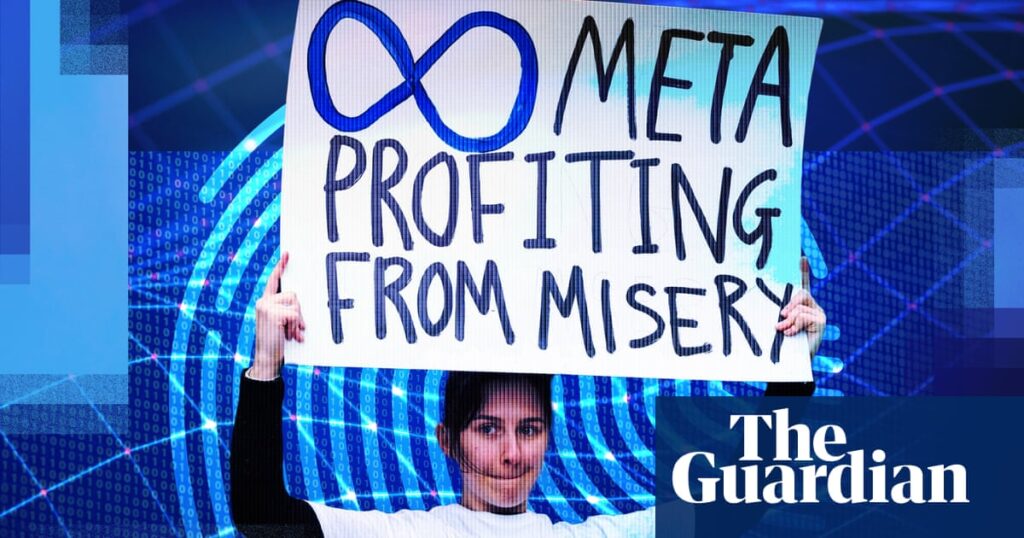
Four years later, this strategy is playing out on an even larger scale. McLaren and other young activists across Europe are banding together against social media and its ruinous effects on their generation. Individually, young people are powerless to sway big tech, but they are also a substantial part of its business model – so, collectively, they are powerful.
This is the first generation to have grown up with social media: they were the earliest adopters of it, and therefore the first to suffer its harms. The array of problems is ever-expanding: misogynistic, hateful and disturbing content; addictive and skewed algorithms; invasion of privacy; online forums encouraging harmful behaviours; sextortion; screen addiction; deepfake pornography; misinformation and disinformation; radicalisation; surveillance; biased AI – the list goes on. As the use of social media has risen, there has been a corresponding…
Source link
Disclaimer
We strive to uphold the highest ethical standards in all of our reporting and coverage. We blogs.grocliq.com want to be transparent with our readers about any potential conflicts of interest that may arise in our work. It’s possible that some of the investors we feature may have connections to other businesses, including competitors or companies we write about. However, we want to assure our readers that this will not have any impact on the integrity or impartiality of our reporting. We are committed to delivering accurate, unbiased news and information to our audience, and we will continue to uphold our ethics and principles in all of our work. Thank you for your trust and support.
Website Upgradation is going on for any glitch kindly connect at [email protected]