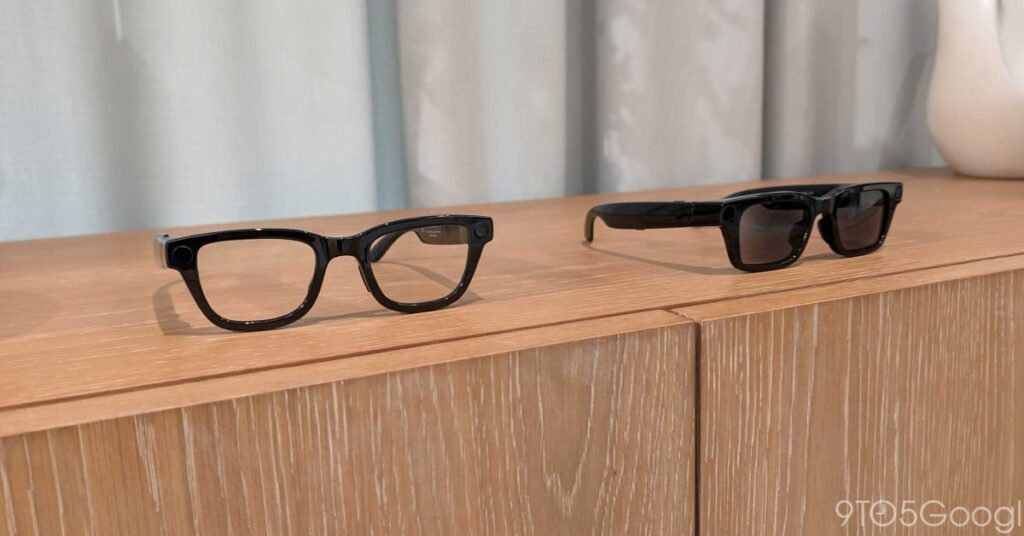

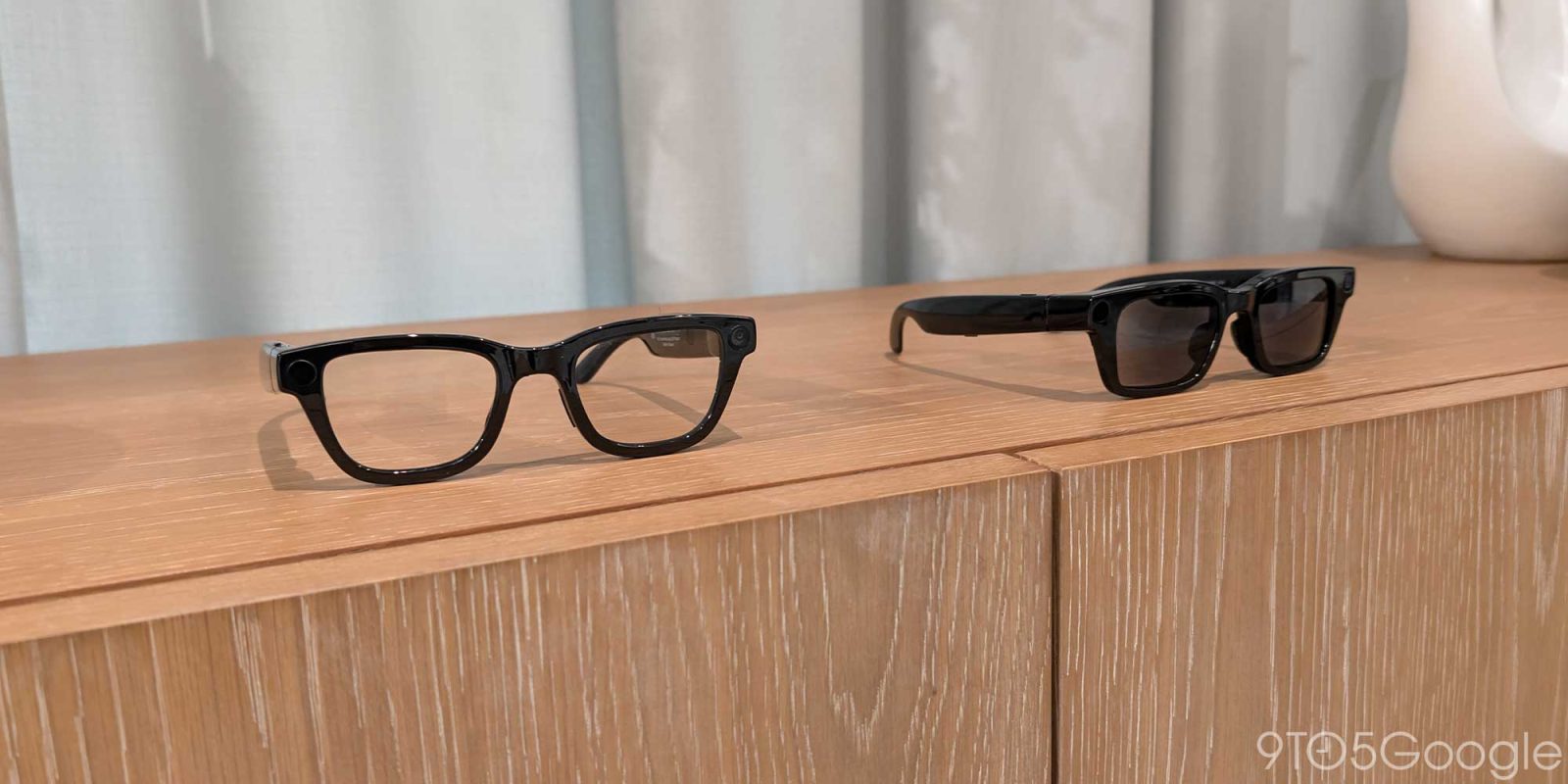
After demoing Android XR glasses for the first time in December 2024, my takeaway was that rumors about how Google was behind in augmented reality were greatly exaggerated, if not outright wrong. A year later, Google is on the verge of releasing “AI glasses” with a display in 2026 and they fully realize the vision of Google Glass.
We will see “AI glasses” — as Google is branding this form factor — next year with and without displays. The latter with just cameras, microphones, and speakers is straightforward enough.
However, Google is integrating Android XR with Wear OS in cool ways that finally make Android’s cross-platform “Better Together” work interesting. When you take a picture on your display-less glasses, a notification lets you preview the capture in full on your watch. Gestures will also be available to control Android XR.
I thought screen-less glasses would be the extent of what Google and its partners (Samsung with Warby Parker and Gentle Monster) will do next year.
What’s genuinely surprising is that Google says Android XR devices with a single display (at the right), or “monocular” glasses, are launching in 2026, and the screen is very good.
The Google demo I had last week using monocular prototypes started with asking Gemini to play a song. A now playing screen appeared as a compact rectangle that maybe had two or three colors and tiny album artwork. Expanding it with a tap of the side touchpad revealed the wavy Material see bar that’s on Android 16 today in a nice example of consistency.
Next, I answered a video call — much like how One day… ends — and was shocked to see a full rectangular feed of their face. It was truly a floating display in my line of sight made possible by the microLED tech that Google has been actively developing since its acquisition of Raxium in 2022. The resolution at this distance looks sharp, while the colors are vibrant and phone-like.
To top that off, Google had me share my point-of-view camera on the call, and I saw two side-by-side video feeds: the caller’s and my own. That screen literally expanding vertically blew my mind.
I was then asked to take a picture and add whatever I wanted to the scene with Nano Banana Pro. Besides the side touchpad, the top of the stem is home to a camera button, while the underside further back has a button to turn on/off the display, specifically Gemini’s response transcript. That generated image appeared right there in my line of sight after a few seconds.
The next unrealized Google advantage is the Android app ecosystem. On day one, mobile applications from your phone are projected to Android XR glasses.
This approach gives glasses rich media controls and notifications without developers having to do any work, though optimization is possible. The latest Android XR SDK (Developer Preview 3) released today lets them start doing that…
Source link
Disclaimer
We strive to uphold the highest ethical standards in all of our reporting and coverage. We blogs.grocliq.com want to be transparent with our readers about any potential conflicts of interest that may arise in our work. It’s possible that some of the investors we feature may have connections to other businesses, including competitors or companies we write about. However, we want to assure our readers that this will not have any impact on the integrity or impartiality of our reporting. We are committed to delivering accurate, unbiased news and information to our audience, and we will continue to uphold our ethics and principles in all of our work. Thank you for your trust and support.
Website Upgradation is going on for any glitch kindly connect at [email protected]