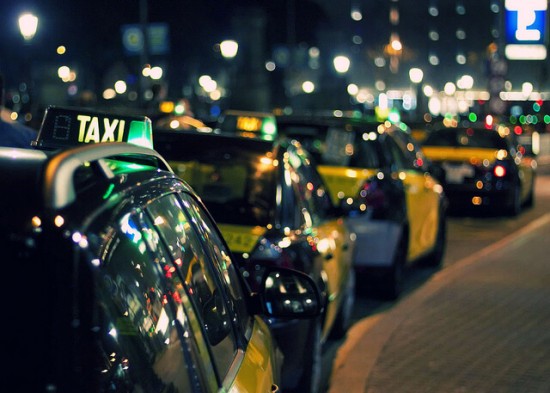

Bharat Taxi, the newly launched cooperative cab service, has introduced a unique profit-sharing model, offering drivers 80% of the profits based on the kilometres they drive. The remaining 20% of profits will be retained as cooperative capital to support the platform’s growth and sustainability, according to a PTI report. This new model stands in contrast to traditional structures of ride-hailing giants like Ola, Uber, and Rapido.
Cooperative Capital: An Innovative Approach or a Financial Constraint?
Bharat Taxi retains 20% of the cooperative capital, which may raise concerns among drivers who could question whether this will benefit them in the long run. While the cooperative model aims to offer drivers more stability and a stake in the platform’s success, the company withholds 20% of the profits for cooperative capital, which may reduce drivers’ earnings compared to subscription-based models offered by other platforms.
Union Cooperation Minister Amit Shah emphasised that Bharat Taxi will guarantee a minimum base rate per kilometre for drivers, a policy that differentiates the service from other ride-hailing platforms. “Whatever business you do, your minimum should be fixed. And whatever is more than that has to come back to you,” he said during a town hall meeting with drivers in Delhi-NCR and Gujarat.
Shah further stated that the cooperative model would also allow drivers to become co-owners by purchasing shares for Rs 500, and that the platform would reserve seats on its board for driver representatives over time. He presented this move as an effort to give drivers a direct say in the company’s decisions and make them active stakeholders in its future.
A Comparison of Subscription and Cooperative Models
While Bharat Taxi’s profit-sharing and cooperative model focus on long-term benefits, drivers may find subscription models offered by other platforms to be more immediately rewarding.
Namma Yatri:
Namma Yatri, a competitor, offers a subscription-based model that charges Rs 3.5 per trip for up to 10 trips or Rs 25 per day for unlimited trips. This model provides more predictable costs for drivers, making it an attractive option for those who prefer consistent expenses.
Rapido:
Rapido has adopted a similar subscription-based approach, charging drivers Rs 9-29 per day for unlimited rides, depending on the city. This model allows drivers to keep 100% of their earnings without commission deductions.
Uber:
Uber has recently piloted a zero-commission model for cab drivers through its ‘Driver Pass’ subscription feature. It offers a multi-day pass, priced at Rs 341 for 72 hours, allowing drivers to keep 100% of their ride fare without paying any commission. While Uber has been experimenting with this model for auto-rickshaw drivers since 2023, the new feature extends to cab drivers as well.
Ola:
OLA recently rolled out a subscription-based zero-commission model for its auto…
Source link
Disclaimer
We strive to uphold the highest ethical standards in all of our reporting and coverage. We blogs.grocliq.com want to be transparent with our readers about any potential conflicts of interest that may arise in our work. It’s possible that some of the investors we feature may have connections to other businesses, including competitors or companies we write about. However, we want to assure our readers that this will not have any impact on the integrity or impartiality of our reporting. We are committed to delivering accurate, unbiased news and information to our audience, and we will continue to uphold our ethics and principles in all of our work. Thank you for your trust and support.
Website Upgradation is going on for any glitch kindly connect at [email protected]