
Grammarly’s “Expert Review” feature, which was quietly rolled out last year, angered countless journalists, authors, and academics, who found that they were being impersonated without their permission.
Following an enormous backlash — and telling people being impersonated that they should email the company to opt out — Grammarly’s parent company, Superhuman, made a sudden reversal.
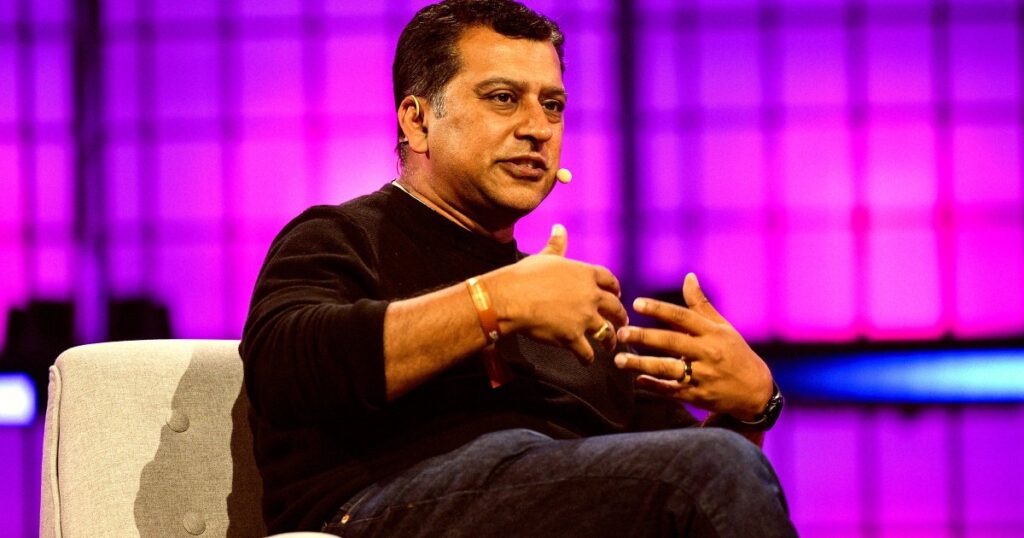
In a Wednesday LinkedIn post, CEO Shishir Mehrotra publicly apologized in a wordy post, saying that “over the past week, we received valid critical feedback from experts who are concerned that the agent misrepresented their voices.”
“We hear the feedback and recognize we fell short on this,” he added.
What Mehrotra failed to mention was that the company wasn’t just dealing with hundreds of furious writers — it was facing litigation as well. Nonprofit news organization The Markup editor-in-chief Julia Angwin filed a class action lawsuit in the Southern District of New York on Wednesday afternoon, right around the time Mehrotra issued his apology.
As Wired reports, the suit doesn’t call for a specific amount of damages, but suggests it’s at least $5 million.
The suit “challenges Grammarly’s misappropriation of the names and identities of hundreds of journalists, authors, writers, and editors to earn profits for Grammarly and its owner, Superhuman.”
“I have worked for decades honing my skills as a writer and editor, and I am distressed to discover that a tech company is selling an imposter version of my hard-earned expertise,” said Angwin in a statement.
Superhuman appears to have been blindsided by the outrage its impersonating bot stirred up.
In a statement to Wired just before the claim was filed, Superhuman director for product management Ailian Gan said that it had “built the agent to help users tap into the insights of thought leaders and experts and to give experts new ways to share their knowledge and reach new audiences.”
“Based on the feedback we’ve received, we clearly missed the mark,” she added. “We are sorry and will do things differently going forward.”
Angwin’s lawyer, Peter Romer-Friedman, is confident the lawsuit had merit. In New York and California, state laws clearly forbid the commercial use of a person’s name and likeness without express permission.
“Legally, we think it’s a pretty straightforward case,” he told Wired.
Romer-Friedman also touched on a much larger situation playing out, as large language models continue to scrape copyrighted materials across the web, often without the required licenses, triggering a litany of other lawsuits.
“More broadly, one of the reasons why we’re filing this case is, you know, we can see what’s happening in our society: that lots of professionals who…
Source link
Disclaimer
We strive to uphold the highest ethical standards in all of our reporting and coverage. We blogs.grocliq.com want to be transparent with our readers about any potential conflicts of interest that may arise in our work. It’s possible that some of the investors we feature may have connections to other businesses, including competitors or companies we write about. However, we want to assure our readers that this will not have any impact on the integrity or impartiality of our reporting. We are committed to delivering accurate, unbiased news and information to our audience, and we will continue to uphold our ethics and principles in all of our work. Thank you for your trust and support.
Website Upgradation is going on for any glitch kindly connect at [email protected]