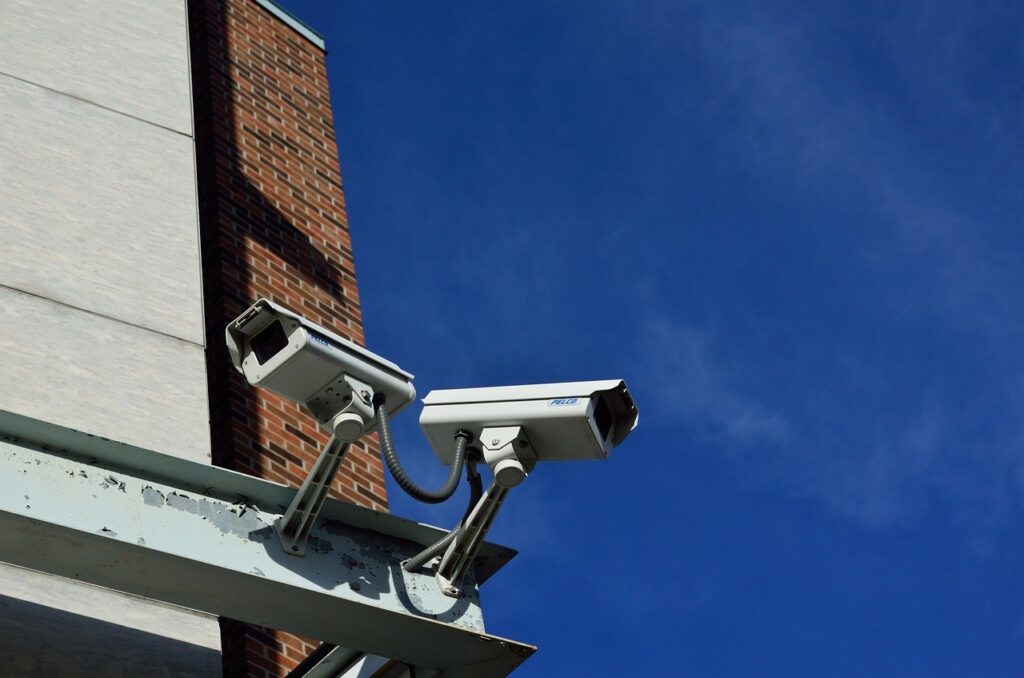

After Ghaziabad Police busted a Pakistan-linked espionage ring, investigators found that the operatives accessed unsecured closed-circuit television (CCTV) feeds and also installed their own covert, solar-powered cameras at sensitive locations, including the Delhi Cantonment and Sonipat railway stations, to stream real-time footage to Pakistan’s Inter-Services Intelligence (ISI)-linked handlers across the border.
The group had also tasked with, and funded for, deployment plans across multiple cities, exposing gaps in surveillance oversight. Consequently, the Ministry of Home Affairs (MHA) has ordered a pan-India audit of CCTV networks across major cities and sensitive urban areas, with special attention to railway stations, cantonments, highways, and military movement routes, according to a report by The New Indian Express.
What will the audit cover? The audit will extend beyond high-security sites to cover arterial routes and strategic corridors across major urban centres, aiming to bring all surveillance infrastructure under formal oversight. Authorities will conduct a full physical verification of every CCTV unit in sensitive urban zones, map installations, cross-check them against official records, and flag any unaccounted-for cameras.
Authorities will also review access controls across existing networks to prevent unauthorised interception or rerouting of live feeds, and lay the groundwork for a standardised national protocol for surveillance oversight.
Regulation of CCTV cameras: India’s CCTV ecosystem operates within a fragmented regulatory framework, with no single definitive law directly governing surveillance infrastructure. CCTV footage is currently regulated under the Information Technology Act, 2000 (IT Act) and associated rules, while the Digital Personal Data Protection Rules, 2025 (DPDP), introduce broader obligations around data processing for entities using the cameras, rather than manufacturers.
However, overlapping mandates between the Ministry of Electronics and Information Technology (MeitY) and the Department of Telecommunications (DoT) have created gaps in enforcement. At the same time, exemptions for state agencies under the DPDP framework raise concerns about oversight and accountability in government-led surveillance.
Why this matters? Compromised CCTV systems can directly support military operations. In Israel, authorities warned that Iranian hackers were attempting to access private security cameras to monitor missile strike impact and improve precision.
During the US–Israel–Iran conflict, Check Point Research found a sharp surge in exploitation attempts targeting IP cameras across Israel and Gulf countries, traced to infrastructure linked to Iran-affiliated threat actors. In this context, the Ghaziabad case demonstrates how such vulnerabilities can be operationalised, making the MHA’s audit necessary in a surveillance system with fragmented oversight.
Also…
Source link
Disclaimer
We strive to uphold the highest ethical standards in all of our reporting and coverage. We blogs.grocliq.com want to be transparent with our readers about any potential conflicts of interest that may arise in our work. It’s possible that some of the investors we feature may have connections to other businesses, including competitors or companies we write about. However, we want to assure our readers that this will not have any impact on the integrity or impartiality of our reporting. We are committed to delivering accurate, unbiased news and information to our audience, and we will continue to uphold our ethics and principles in all of our work. Thank you for your trust and support.
Website Upgradation is going on for any glitch kindly connect at [email protected]