
Read the blog from YouTube here.
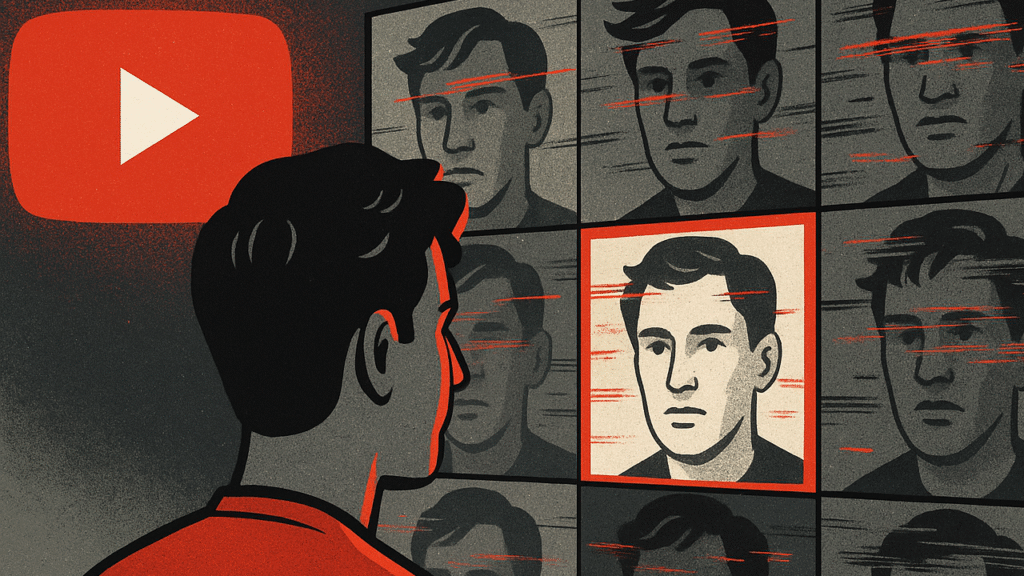
YouTube is expanding its AI-powered “likeness detection” tool to include celebrities and the entertainment industry, aiming to prevent the misuse of public figures’ identities in deepfake content.
This initiative is the latest step in YouTube’s efforts to address AI-generated impersonation, which is an increasing concern as synthetic media becomes more realistic and accessible.
YouTube announced that its likeness-detection technology is now available to celebrities, talent agencies, and management firms, allowing them to identify and address AI-generated videos that imitate their faces. The feature does not require celebrities to maintain their own YouTube channels and can be accessed by representatives acting on their behalf.
Major industry players such as Creative Artists Agency (CAA), United Talent Agency (UTA), and William Morris Endeavor (WME) have supported the rollout and provided feedback on the system.
How likeness detection works: The technology scans uploaded videos for AI-generated content that replicates a person’s face, enabling the identification of deepfakes and other synthetic media. After detection, users can review flagged content and request removal in accordance with YouTube’s privacy policies. Takedowns are not automatic and may depend on context, including whether it is parody or satire. The system uses biometric data like facial data from videos and selfies to identify likeness.
YouTube also highlighted earlier how content removal decisions are taken after “assessing if an individual is uniquely identifiable based on their image or voice, full name, financial information, contact information and other personally identifiable information”.
Likeness detection data not part of AI training: It had also explained that participants must verify “their identity before enrolling in likeness detection“, and this data is used solely for verification—not for training generative AI models. The platform emphasised that this is backed by legal frameworks like the NO FAKES Act, which establishes “a federal right of publicity” and ensures “technology serves, never replaces, human creativity”.
Expansion builds on earlier rollouts: The celebrity rollout builds on a phased expansion of YouTube’s likeness-detection system, which has progressively widened access to groups deemed vulnerable to impersonation.
- The tool was first rolled out to creators in the YouTube Partner Program as an “industry-first” system to detect AI-generated uses of their face in September 2025.
- Later in March this year, YouTube expanded access to a pilot group of journalists, government officials, and political candidates, citing the heightened risk of deepfakes in civic discourse and misinformation.
- This group was specifically prioritised because manipulated videos of public figures can be used to influence public opinion or spread false narratives.
In…
Source link
Disclaimer
We strive to uphold the highest ethical standards in all of our reporting and coverage. We blogs.grocliq.com want to be transparent with our readers about any potential conflicts of interest that may arise in our work. It’s possible that some of the investors we feature may have connections to other businesses, including competitors or companies we write about. However, we want to assure our readers that this will not have any impact on the integrity or impartiality of our reporting. We are committed to delivering accurate, unbiased news and information to our audience, and we will continue to uphold our ethics and principles in all of our work. Thank you for your trust and support.
Website Upgradation is going on for any glitch kindly connect at [email protected]