
–Download a copy of the RBI draft master directions here.
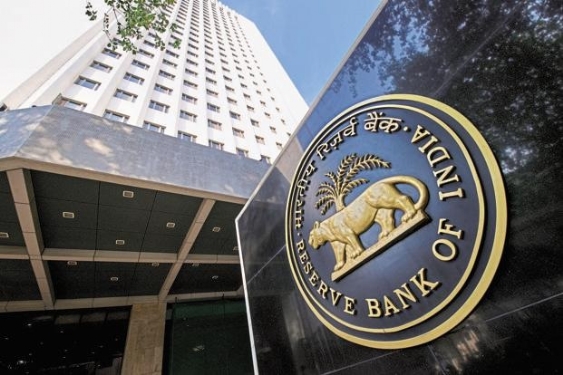
The Reserve Bank of India has released a draft Master Direction on Prepaid Payment Instruments (PPIs), 2026, for public comments, replacing its August 2021 framework. PPIs are payment instruments such as wallets and prepaid cards that let users load money in advance and spend it later. The directions will apply to all PPI issuers and system participants once notified. RBI has opened the draft up for comments till May 22, 2026.
Who can issue PPIs?
- Banks: Banks allowed to issue debit cards can issue PPIs after informing the RBI’s Department of Payment and Settlement Systems (DPSS).
- Non-banks: Must apply through the RBI’s online portal.
- They must be a company incorporated in India under the Companies Act.
- The Memorandum of Association must cover PPI issuance.
- Regulated entities must submit a No Objection Certificate (NOC) from their regulator within 45 days.
- RBI may grant authorisation on a perpetual basis.
- Incomplete applications or those below the minimum net worth will be returned.
- Non-bank issuers with Foreign Direct Investment (FDI) must follow India’s FDI policy and forex rules.
- Changes in control or management need prior approval under RBI rules.
Capital requirements
- Minimum net worth: Rs 5 crore.
- Net worth after three financial years of authorisation: Rs 15 crore.
- Issuers must maintain minimum net worth on an ongoing basis.
Governance
- Promoters and directors must have financial integrity, a good reputation, and honesty.
- Cannot have convictions involving moral turpitude, economic offences, or RBI-administered laws.
- Cannot be insolvent and undischarged.
- Cannot be barred by a regulator from accessing financial systems.
- Cannot be declared of unsound mind by a court.
- Must be financially sound.
Issuance and loading
- PPIs may be issued as cards, wallets, or similar instruments.
- Paper vouchers are not allowed.
- PPIs may be loaded via bank account debit, another PPI, or cash.
- Special Purpose PPIs may also be loaded by credit card.
- Banks may load PPIs through Business Correspondents (BCs).
- Non-banks may load PPIs through agents in person.
- Issuers cannot pay interest on PPI balances.
- Cross-border use is not permitted.
Co-branding
- Issuers may partner with:
- Other PPI issuers
- Scheduled commercial banks
- Companies incorporated in India
- Government departments, ministries, or institutions
- Co-branding partners can only market or distribute.
- PPI issuer remains liable for the partner’s actions.
Types of PPIs:
Full-KYC PPI
- Only one per holder at a time.
- Minimum validity: one year.
- Maximum outstanding balance: Rs 2 lakh.
- Monthly debit limit: Rs 2 lakh.
- P2P transfer limit: Rs 25,000/month.
- Cash loading limit: Rs 10,000/month.
- Cash withdrawal allowed as per RBI rules.
Small PPI
- Issued with minimum details if full KYC is not…
Source link
Disclaimer
We strive to uphold the highest ethical standards in all of our reporting and coverage. We blogs.grocliq.com want to be transparent with our readers about any potential conflicts of interest that may arise in our work. It’s possible that some of the investors we feature may have connections to other businesses, including competitors or companies we write about. However, we want to assure our readers that this will not have any impact on the integrity or impartiality of our reporting. We are committed to delivering accurate, unbiased news and information to our audience, and we will continue to uphold our ethics and principles in all of our work. Thank you for your trust and support.
Website Upgradation is going on for any glitch kindly connect at [email protected]