
The Ministry of Information and Broadcasting (MIB) has asked OTT platform ZEE5 not to release the web series ‘Lawrence of Punjab’ based on the life of Punjabi gangster Lawrence Bishnoi, according to Additional Solicitor General (ASG) Satyapal Jain during a hearing before the Punjab and Haryana High Court on Friday.
The division bench of Chief Justice Sheel Nagu and Justice Pramod Goyal was hearing a public interest litigation (PIL) filed by Ludhiana MP Raja Warring, who argued that the series glorifies the jailed gangster and could influence young viewers, according to LiveLaw.
2,600+ URLs blocked: During the hearing, the court noted that the Punjab government had written to the Union Ministry on April 22, urging it to stop the series’ release and block access to its trailer. Punjab Advocate General Maninderjit Singh Bedi told the court that the state opposes films that glorify crime and has already blocked more than 2,600 links related to the glorification of Bishnoi’s activities.
Law and public order justification: In its letter to the Centre, the Punjab government said Punjab Police had found a “reasonable apprehension” that releasing the docuseries would be “prejudicial to public order” and could “incite the commission of cognizable offences”. It argued that OTT content has a “far wider reach” than print media and that its audio-visual nature makes it “more impactful and influential”. The state warned that easy online access could influence “impressionable individuals” and create a “significant risk to public order.”
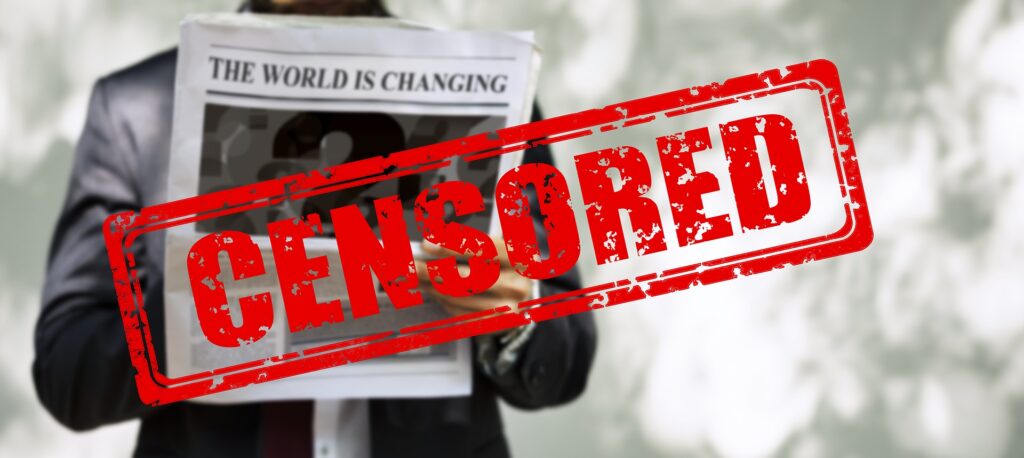
Censorship of films: Over the last decade, films and streaming shows in India have repeatedly faced cuts, edits, takedowns, and delayed releases over allegations of obscenity, defamation, or hurting religious and caste sentiments. Platforms such as Netflix, Amazon Prime Video, JioHotstar and Hotstar have altered or withdrawn content following court cases, government intervention, political pressure, and online backlash. From Lipstick Under My Burkha and Padmaavat to Tandav, IC 814, and The White Lotus, creators increasingly face both formal censorship and reactive self-censorship in India’s digital entertainment landscape.
Why this matters: The MIB’s intervention raises fresh questions about free expression and executive control over online content in India. ZEE5 maintains that Lawrence of Punjab does not glorify Bishnoi but examines the student politics ecosystem that contributed to the rise of gangsters like him, arguing that objections were based only on the trailer.
While Article 19(2) allows reasonable restrictions in the interest of public order, the government must justify those limits. The case also signals a broader tightening of online content regulation, as faster takedown timelines and police-led blocking mechanisms increase pressure on platforms. For streaming services and studios, the risk of pre-release advisories or post-release action is…
Source link
Disclaimer
We strive to uphold the highest ethical standards in all of our reporting and coverage. We blogs.grocliq.com want to be transparent with our readers about any potential conflicts of interest that may arise in our work. It’s possible that some of the investors we feature may have connections to other businesses, including competitors or companies we write about. However, we want to assure our readers that this will not have any impact on the integrity or impartiality of our reporting. We are committed to delivering accurate, unbiased news and information to our audience, and we will continue to uphold our ethics and principles in all of our work. Thank you for your trust and support.
Website Upgradation is going on for any glitch kindly connect at [email protected]