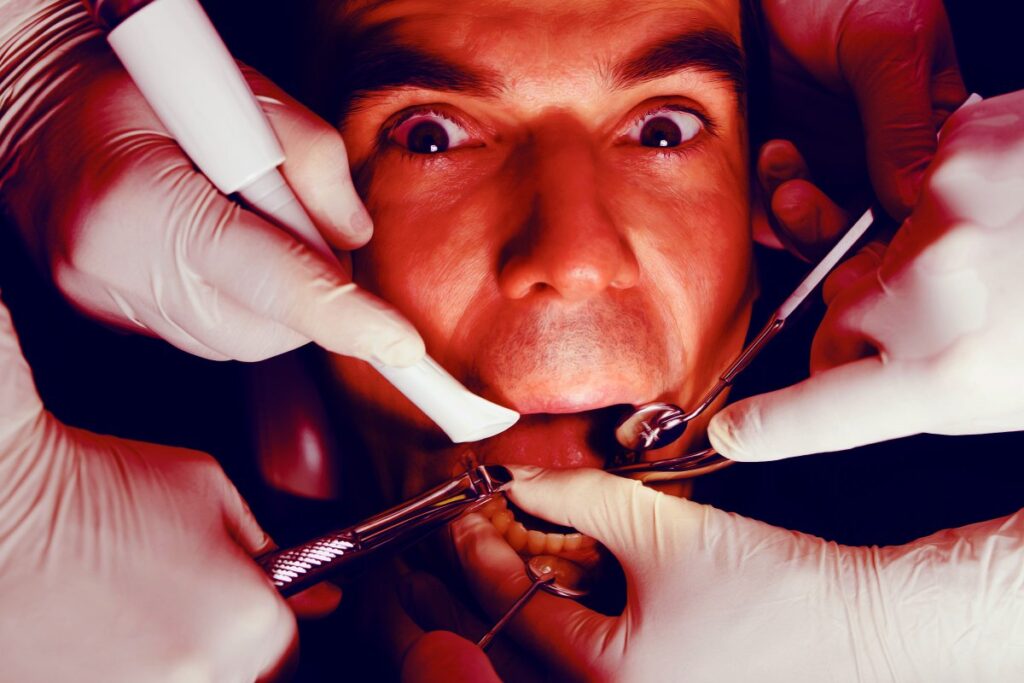

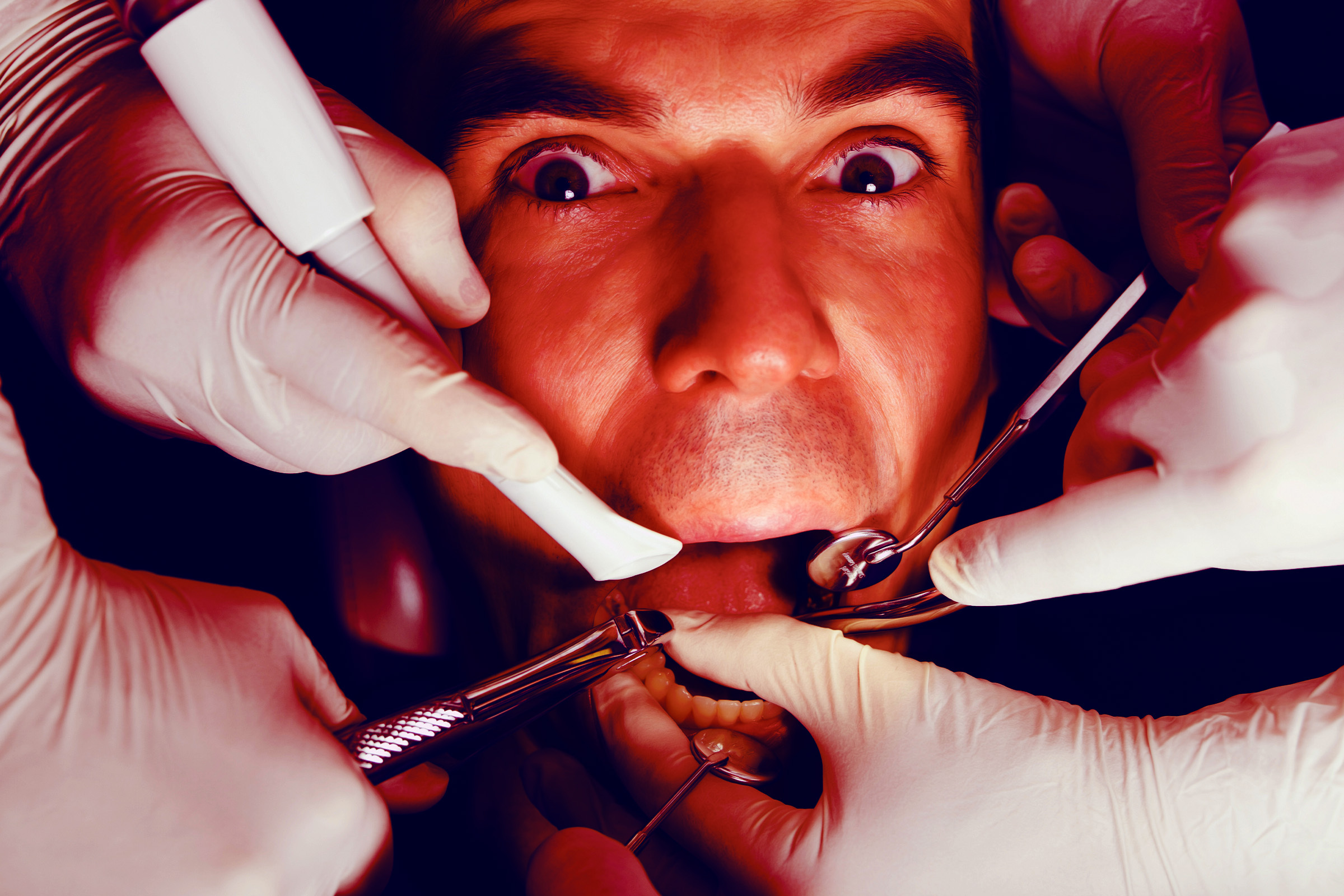
Is your dentist upselling you on something? Does your old filling really need to be replaced, and is that tooth decay really bad enough to warrant new work?
Such suspicions have probably crossed your mind before as you laid there in tense anticipation of the noisy drill about to send stomach-churning vibrations through your teeth, and they’re not going to go away once you hear about how dentists across the country are embracing AI tools.
In her new book “I Am Not a Robot: My Year Using AI to Do (Almost) Everything,” former Wall Street Journal columnist Joanna Stern recalls how a routine trip to the dentist’s office led her to unearthing the disturbing way that AI is being used to push unnecessary treatments.
“Similarly to how AI is being used in radiology for breasts or gallbladder, et cetera, it’s being used in dentistry. And honestly, it’s happening almost everywhere,” Stern said on the latest episode of The New York Time’s “Hard Fork” podcast discussing her book.
When Stern visited a dentist on her own time, she realized the office used a system called Pearl AI, which promises on its website to catch “37 percent more disease and deliver 24 percent more care to patients in need.”
The tool showed she had a lot of plaque build-up, and the dentist used its finding to give an assessment that was ominous for both her health and wallet: Stern would need periodontal treatment, which would take four different sessions and cost thousands of dollars. That it’d be covered by insurance wasn’t guaranteed.
To Stern, this was “weird.”
“I’ve never needed this before,” she said. “My teeth aren’t really bothering me.”
Wisely, she decided to get some outside opinions from multiple other dentists, all of whom disagreed with the AI’s analysis.
“‘We see the AI is saying that. But we’re looking, and it’s really not that bad. We think, with some better home care, it can be better,’” Stern said, paraphrasing the dentists. “And lo and behold, I never had the periodontal treatment.”
That led Stern to do some digging. In her reporting, employees who worked in dentists’ offices told her that their bosses were heavily pushing AI “because they can now see the readings” in an AI report. If they didn’t capitalize on the AI’s findings, their bosses would grill them. “‘Why didn’t you drill it? Why didn’t you sell the periodontal treatment?’” their bosses would say.
The upshot is grim.
“They are using AI to try to upsell you on dental procedures,” Stern said.
Tools like Pearl AI and Overjet, another popular staple in dentist offices, are just one facet of how AI is being used in medical practices. One of the areas that AI has shown the most promise in assisting doctors is in radiology, with a New York…
Source link
Disclaimer
We strive to uphold the highest ethical standards in all of our reporting and coverage. We blogs.grocliq.com want to be transparent with our readers about any potential conflicts of interest that may arise in our work. It’s possible that some of the investors we feature may have connections to other businesses, including competitors or companies we write about. However, we want to assure our readers that this will not have any impact on the integrity or impartiality of our reporting. We are committed to delivering accurate, unbiased news and information to our audience, and we will continue to uphold our ethics and principles in all of our work. Thank you for your trust and support.
Website Upgradation is going on for any glitch kindly connect at [email protected]