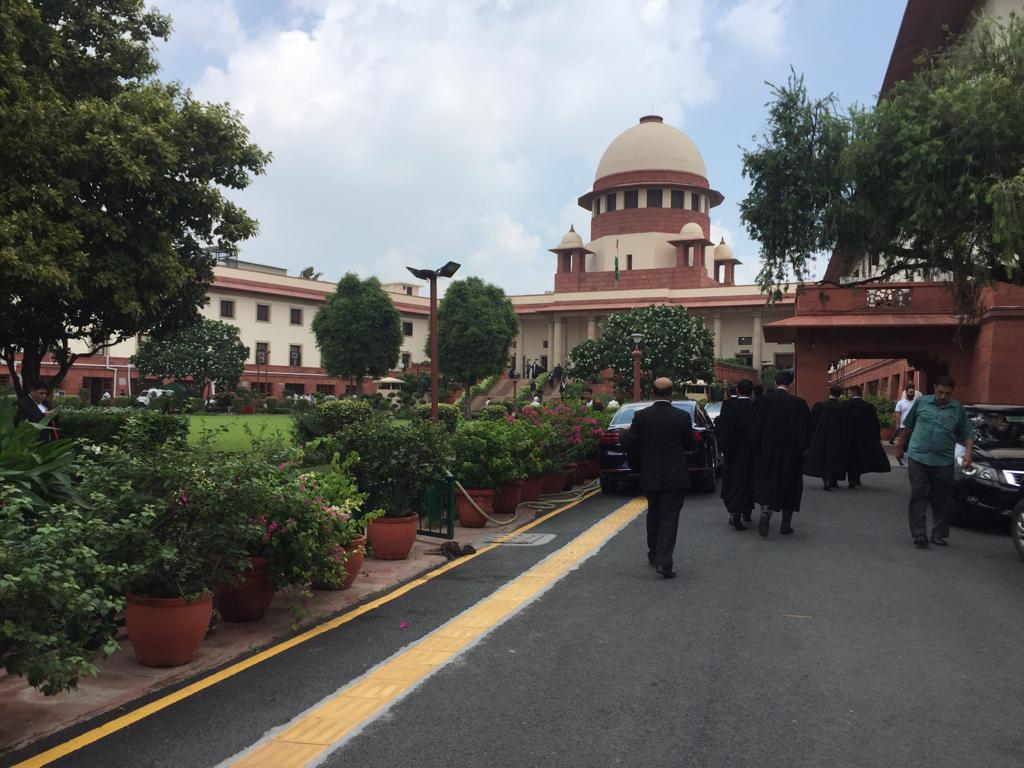

The Supreme Court draft regulations on AI use can be accessed here.
The Supreme Court of India has published draft regulations on the use of artificial intelligence (AI) in courts, dated June 3, and has invited public comments by June 20. The regulations apply to every court in India, from the Supreme Court down to tribunals and statutory commissions.
The core principle: AI can assist courts, but it cannot replace judicial decision-making. Every AI output serves only an advisory role, and final authority over law, facts, and justice rests exclusively with the judge.
What AI can do in courts:
- Case management: Scheduling, cause-list preparation, docket prioritisation, and defect identification in new filings.
- Transcription: Of court proceedings, where a human must review and certify the output.
- Translation: Translating judgments, orders, and pleadings, subject to human verification.
- Legal research: Retrieving precedents, verifying citations, and summarising documents.
- Administrative tasks: Assisting with case filing, record management, and the auto-generation of notices and summonses.
- Litigant assistance: Powering chatbots that help litigants understand court procedures, under human oversight.
- Accessibility: Supporting text-to-speech, speech-to-text, Braille translation, and visual-assistance tools.
- Anonymisation: Anonymising judgments and records for publication in the public domain.
- Fraud detection: Detecting fraud in administrative processes, subject to human review.
What AI absolutely cannot do: These prohibitions are absolute and non-derogable. No AI system can:
- Reach a judicial outcome through algorithmic decision-making (ADM) alone, meaning a process in which an algorithm, rather than a human, makes the determination.
- Perform risk scoring, including predicting reoffending probability, bail eligibility, or flight risk.
- Operate as a black box, meaning a system whose decision-making logic cannot be explained, in any process affecting personal liberty or legal rights.
- Conduct surveillance of judges, lawyers, or litigants in connection with court premises.
- Profile or predict the future behaviour of any party, witness, or legal representative.
- Enter the record as independent evidence unless the submitting party fully discloses its AI-generated nature.
- Use personal data for training unless approved by the appropriate authority.
- Compromise the confidentiality of judicial deliberations.
The disclosure requirement: Lawyers who use AI to prepare any pleading, document, or evidence must declare it at the time of submission. Courts that use AI in case management must inform the parties. Anyone using synthetic data, AI-generated audio, visual, or text content that mimics real data, must also disclose its use.
The institutional structure:
- Apex Body at the Supreme Court: A permanent, full-time body that governs AI across the judiciary. It will comprise two Supreme Court…
Source link
Disclaimer
We strive to uphold the highest ethical standards in all of our reporting and coverage. We blogs.grocliq.com want to be transparent with our readers about any potential conflicts of interest that may arise in our work. It’s possible that some of the investors we feature may have connections to other businesses, including competitors or companies we write about. However, we want to assure our readers that this will not have any impact on the integrity or impartiality of our reporting. We are committed to delivering accurate, unbiased news and information to our audience, and we will continue to uphold our ethics and principles in all of our work. Thank you for your trust and support.
Website Upgradation is going on for any glitch kindly connect at [email protected]