
- Download the draft amendment directions from the RBI here
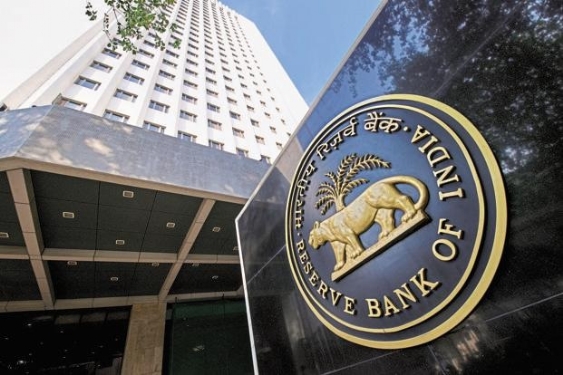
Banks and NBFCs can no longer engage in “compulsory bundling,” where buying one product means inadvertently buying another. Banks will now be required to get “explicit consent” from users before selling any financial product or service, whether their own or offered through a third party. The changes are part of the Reserve Bank of India’s (RBI) new framework governing the advertising, marketing, and sale of financial products and services by banks.
What is compulsory bundling, and why has the RBI banned it?
The latest directions of the RBI define “compulsory bundling” as the practice by a bank of making the availability of one product or service conditional upon purchase of another product or service.
For instance, when you apply for a home loan, banks and NBFCs often push an insurance policy alongside it. Their reasoning: an extra insurance policy protects the family if the borrower defaults or dies.
However, this practice was recently called out by Finance Minister Nirmala Sitharaman. She argues that if a home loan is already backed by the house itself, why is an unwarranted insurance policy being forced on customers? She is not saying that insurance itself is redundant. However, the problem is when an insurance policy becomes a near-default part of the loan process. When a borrower is unaware of what extra protection the policy actually offers, the practice stops being advice and starts being mis-selling.
Who should be held accountable when the customer does not fully understand what they’ve signed? This is exactly why the RBI has banned compulsory bundling. Even if a product is mandatory and part of a larger service, the person does not need to buy it from the bank or its preferred partner. They must be given an option to buy it elsewhere, the new rules mandate.
Voluntary product packages and complimentary offerings without additional cost will not be labeled as compulsory bundling.
How would consent work under the new RBI framework?
Banks will now be required to get “explicit consent” from users before selling any financial product or service, whether their own or through a third party. Consent may be obtained through:
- physical or digital signatures;
- OTP-based approvals;
- digitally recorded confirmations; or
- clearly demarcated consent sections within agreements
If an application form includes multiple products or services, the nature and features of each product must be laid out very clearly, and consent must be obtained for each product.
The new rules also mandate that customers must have an option to choose which of these products they want to buy and which they want to ignore.
The default consent option must be “No” or “I do not agree.”
Even if consent has been obtained, a product can still be treated as mis-sold if it is not suitable for the customer. The liability shifts from “Did you…
Source link
Disclaimer
We strive to uphold the highest ethical standards in all of our reporting and coverage. We blogs.grocliq.com want to be transparent with our readers about any potential conflicts of interest that may arise in our work. It’s possible that some of the investors we feature may have connections to other businesses, including competitors or companies we write about. However, we want to assure our readers that this will not have any impact on the integrity or impartiality of our reporting. We are committed to delivering accurate, unbiased news and information to our audience, and we will continue to uphold our ethics and principles in all of our work. Thank you for your trust and support.
Website Upgradation is going on for any glitch kindly connect at [email protected]