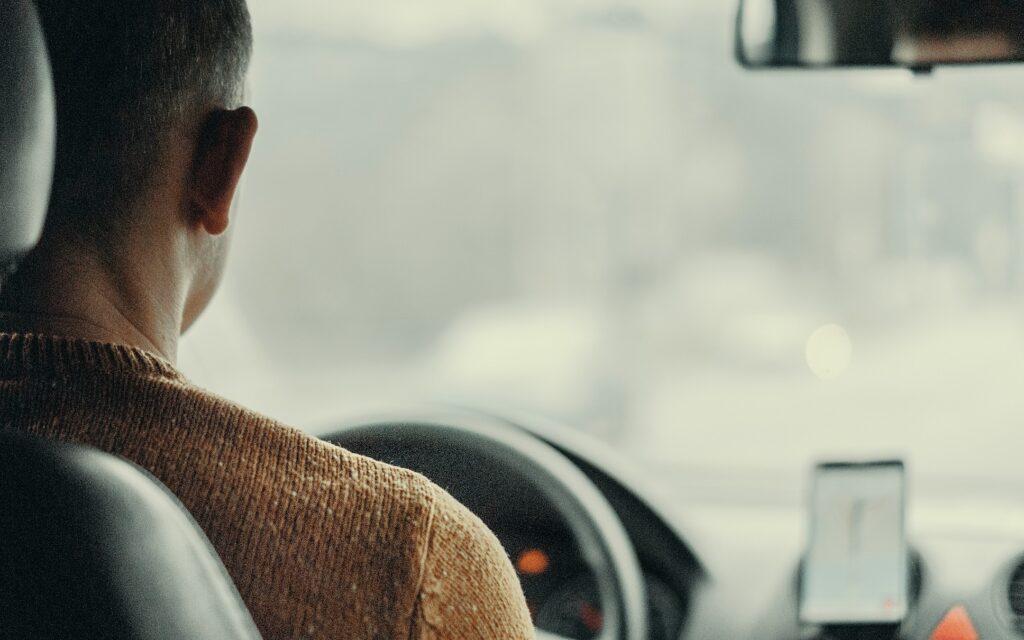

Uber has launched Record My Ride in India, letting drivers capture encrypted in-cab video during trips on their own phones. The app tells the passenger in the back seat that recording is on but never asks for consent, even as India’s data protection law makes consent a condition for processing personal data.
Uber announced the feature at its Uber Surakshit safety conference in New Delhi on June 30, 2026, alongside ambulance assistance and rider-set trip PINs. Record My Ride began as a quiet pilot in May 2025 and is already live in 10 cities including Delhi, Mumbai, Bengaluru, Chennai, Hyderabad and Kolkata.
Who records and who is recorded? The driver, not the rider, controls the recording. Uber says the feature:
- Films from the driver’s phone, capturing the driver and the passengers in the cabin.
- Encrypts the footage on the device, and locks out everyone, including Uber, until the driver uploads it with a safety report.
- Deletes the recording after 14 days if the driver files no report.
Why can a driver record passengers at all? The feature grew out of a real driver problem. Drivers in Delhi-NCR told TechCrunch they face passenger misconduct and threats of false complaints that can trigger penalties or account suspension. “Even female passengers traveling late at night insist that we follow the route they want instead of what’s shown on the map. If we refuse, they threaten to file false complaints,” one driver said. The recording gives drivers evidence to defend themselves, and captures whoever is in the cab to provide it.
The consent gap. When a driver enables recording, the rider sees an in-app message that the trip will be recorded and can cancel if uncomfortable. Uber’s own help pages concede that “in certain regions, it may be required by law to obtain a rider’s consent.” The message informs the rider. To refuse, a rider must cancel a trip they have already booked and waited for.
Does DPDP allow this? India’s Digital Personal Data Protection (DPDP) Act, 2023 turns on notice, purpose limitation and consent, and video of an identifiable person is personal data. The live question is whether notifying a passenger satisfies the Act, or whether recording them needs their consent. The Supreme Court’s Puttaswamy judgment, which recognized privacy as a fundamental right, adds a necessity-and-proportionality test that any in-vehicle surveillance must meet.
Who else can get the footage? Uber’s design keeps recordings on the device and out of its own reach until the driver files a report. That control has a limit: Uber states it “may provide the recording to police or law enforcement with appropriate legal process or in emergency situations.” Uber’s own figures on how long it keeps footage do not match: its Record My Ride help page states 14 days, while TechCrunch reported the India video pilot deletes recordings after a week.
The unresolved question. DPDP treats notice and consent as…
Source link
Disclaimer
We strive to uphold the highest ethical standards in all of our reporting and coverage. We blogs.grocliq.com want to be transparent with our readers about any potential conflicts of interest that may arise in our work. It’s possible that some of the investors we feature may have connections to other businesses, including competitors or companies we write about. However, we want to assure our readers that this will not have any impact on the integrity or impartiality of our reporting. We are committed to delivering accurate, unbiased news and information to our audience, and we will continue to uphold our ethics and principles in all of our work. Thank you for your trust and support.
Website Upgradation is going on for any glitch kindly connect at [email protected]