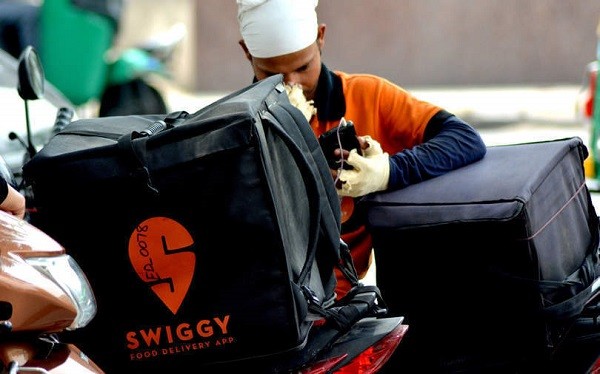

Food and grocery delivery platform Swiggy plans to transition into an inventory-led model in its quick commerce vertical in the coming days, Chief Executive Officer (CEO) Sriharsha Majety said during the company’s September quarter (Q2 FY26) earnings call.
When asked if Instamart was planning to shift to an inventory-led model from its current marketplace model, Majety said, “This is an eventuality that we do expect to happen.” However, he did not specify a timeline for the move.
Swiggy’s plan mirrors that of its rival, Zomato-owned Blinkit, which has almost fully pivoted to inventory ownership, with 80% of Net Order Value (NOV) on the platform coming from its own inventory in Q2 FY26.
Under the inventory model, the company owns the goods being sold on the platform instead of operating as a marketplace for sellers and brands. This could translate to better margins.
Swiggy Falters Under Quick Commerce Strain
Swiggy’s losses widened 74% year-on-year (YoY) in the quarter ended September 2025 (Q2 FY26) despite a jump in revenue, as its quick commerce vertical, Instamart, continued to bleed cash.
The Bengaluru-based food and grocery delivery company posted a consolidated loss of Rs 1,092 crore in Q2 FY26, compared to Rs 626 crore in the year-ago quarter.
On a quarter-on-quarter (QoQ) basis, net loss declined nearly 9% from Rs 1,197 crore.
The wider loss came despite a sharp uptick in operating revenue. The company’s top line rose 54.4% to Rs 5,561 crore in the quarter ended September 2025, from Rs 3,601 crore in the same quarter last year. Sequentially, operating revenue increased a little over 12% from Rs 4,961 crore.
While Swiggy’s food delivery business delivered a profit of Rs 251 crore in Q2 FY26, Instamart’s losses surged by 133% YoY to Rs 739 crore.
Food Delivery Race Heating Up
In its shareholders’ letter, Swiggy said that during the quarter, it saw heightened competition in the food delivery segment in terms of lowered subscription fees and reduced minimum order values.
To prevent a short-term loss of customers or orders to rivals, the company launched several budget-friendly propositions during the quarter, including toing and 99-meal.
Explaining the rationale behind launching toing as a separate app, Swiggy said it aims to run a clean experiment on the marketplace model, which is a different business model in itself, given that the unit economics for low average order value (AOV) meals can be quite challenging for all parties involved.
“With affordability of meals likely to be the single largest unlock for the food delivery category, it is incumbent upon market creators like us to try multiple approaches and see what can succeed, even if it means disrupting the status quo,” the company said.
Launched in August in select parts of Pune, toing targets budget-conscious users such as students and early jobbers with categories like “meals under Rs 99.” However,
Source link
Disclaimer
We strive to uphold the highest ethical standards in all of our reporting and coverage. We blogs.grocliq.com want to be transparent with our readers about any potential conflicts of interest that may arise in our work. It’s possible that some of the investors we feature may have connections to other businesses, including competitors or companies we write about. However, we want to assure our readers that this will not have any impact on the integrity or impartiality of our reporting. We are committed to delivering accurate, unbiased news and information to our audience, and we will continue to uphold our ethics and principles in all of our work. Thank you for your trust and support.
Website Upgradation is going on for any glitch kindly connect at [email protected]