
This Q&A originally appeared as part of The Guardian’s TechScape newsletter. Sign up for this weekly newsletter here.
The data centers that power the artificial intelligence boom are beyond enormous. Their financials, their physical scale, and the amount of information contained within are so massive that the idea of stopping their construction can seem like opposing an avalanche in progress.
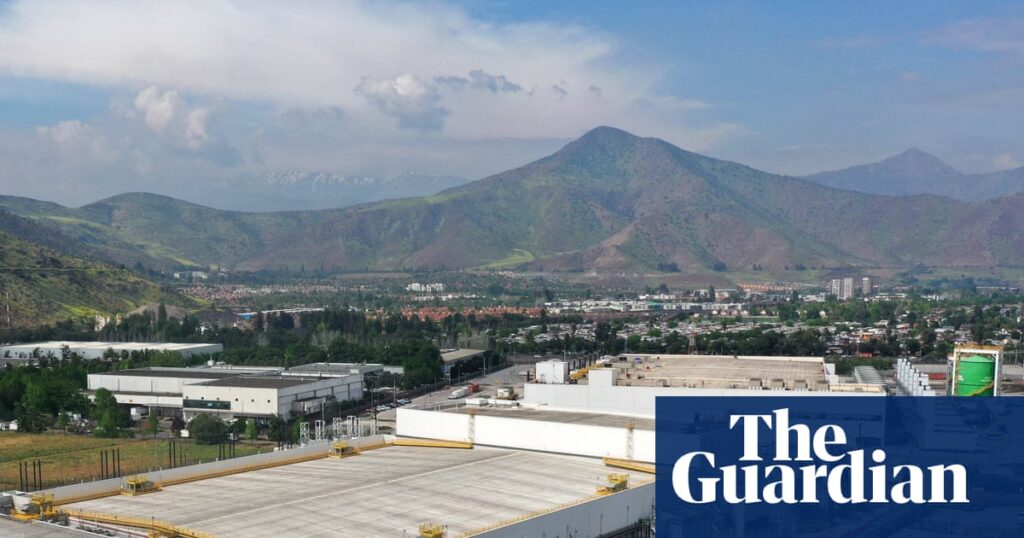
Despite the scale and momentum of the explosion of data centers, resistance is mounting in the United States, in the United Kingdom, and in Latin America, where data centers have been built in some of the world’s driest areas. Local opposition in all three regions has often focused on the environmental impacts and resource consumption of the gargantuan structures.
Paz Peña is a researcher and fellow with the Mozilla Foundation who studies the social and environmental impact of technology, particularly data centers and particularly in Latin America. She spoke to the Guardian at the Mozilla festival in Barcelona about how communities in Latin America are going to court to pry information away from governments and corporations that would much rather keep it secret.
The Guardian: Could you describe your research?
Paz Peña: Basically, my research is about the positions of governments on data centers and what the promises are behind them. What are the relationships that governments today in Latin America have with big tech? There’s a lot of lobbying activities around infrastructure and data centers from big tech to governments in Latin America.
Chile and Brazil are the two top countries working on data centers today in Latin America, and Chile is one of the countries in Latin America that has a lot of resistance against data centers.
What the governments are doing – I’m talking about leftwing governments … what they are looking for is foreign investment for data centers in their countries. The amounts are great. It’s a public policy to attract [data centers] with what they call national investment plans. They’re doing tax exemptions, for example, in Brazil, which is a huge controversy back there.
In the case of Chile, what they’re doing is actually trying to deregulate the environmental assessments that data centers are going through.
Carving out an exception for them?
Peña: Exactly. There’s no specific category of environmental impact assessment for data centers in Latin America. In the case of Chile right now, they are assessed on the diesel that they use, because they use diesel generators for energy. It’s huge amounts of diesel.
The government actually made an administrative change in the environmental system evaluation, where the threshold that data centers need to achieve on diesel to pass an environmental assessment changed. Magically, that means that data centers are not going through environmental impact assessments in Chile any more, which was the reason why communities understood what were the impacts of data centers. They don’t have…
Source link
Disclaimer
We strive to uphold the highest ethical standards in all of our reporting and coverage. We blogs.grocliq.com want to be transparent with our readers about any potential conflicts of interest that may arise in our work. It’s possible that some of the investors we feature may have connections to other businesses, including competitors or companies we write about. However, we want to assure our readers that this will not have any impact on the integrity or impartiality of our reporting. We are committed to delivering accurate, unbiased news and information to our audience, and we will continue to uphold our ethics and principles in all of our work. Thank you for your trust and support.
Website Upgradation is going on for any glitch kindly connect at [email protected]