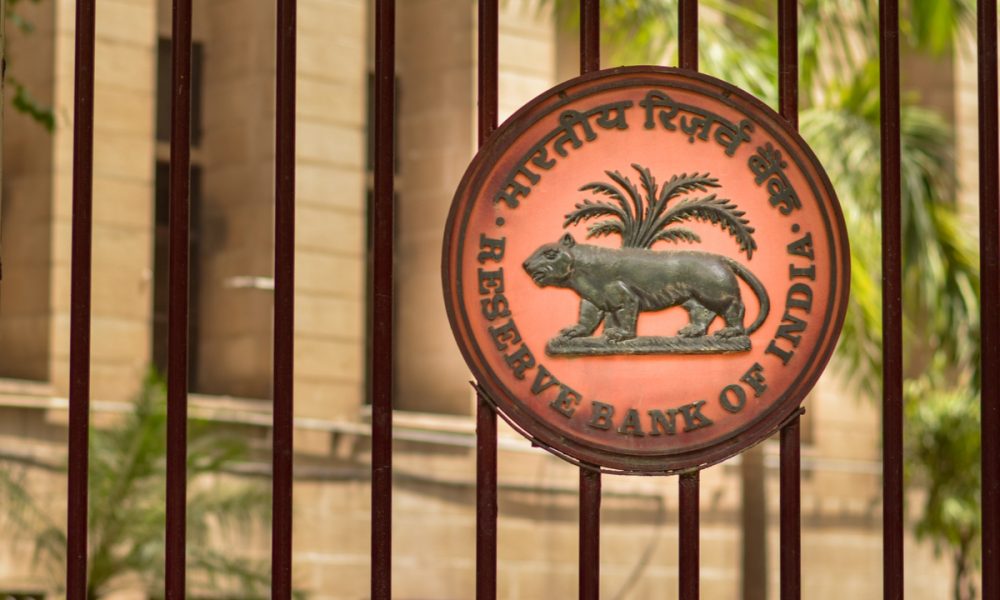

At the State Bank of India (SBI) Banking and Economics Conclave held in Mumbai on November 7, Reserve Bank of India (RBI) Deputy Governor T. Rabi Sankar urged banks to modernise their systems and strategies to keep pace with rapidly evolving technologies.
Speaking on the theme “India’s Quest for Self-Reliance in a Fragmented World Order”, he said that technology had moved beyond being a tool for efficiency and had become the bedrock of financial intermediation.
Throughout his address, he emphasised that banks must respond decisively to transformational technologies such as artificial intelligence (AI), blockchain, quantum computing, and digital currencies. Drawing from India’s experience with digital public infrastructure (DPI) — such as Aadhaar and Unified Payments Interface (UPI) — he noted that public sector-led innovation and open access frameworks had driven financial inclusion and innovation alike.
However, he cautioned that while fintechs had leveraged these systems with agility, banks risked losing their technological edge due to legacy systems and regulatory inertia. Therefore, he called on banks to modernise their core infrastructure, adopt platform-based collaboration with fintechs, and foster a culture of continuous learning and innovation.
Sankar concluded by stressing that while technological change is inevitable, the direction it takes will depend on how prepared and intentional banks are in adapting to it.
Technology As The Foundation Of Modern Banking
Sankar remarked that technology has become “the very foundation upon which the future of financial intermediation rests”. He noted that every aspect of finance —“from payments and credit to savings, investments, regulation and supervision”— is being redefined through technology.
He added that the challenge for the financial sector is to “embrace them with wisdom and purpose”, while ensuring that technological evolution remains “secure, inclusive, resilient, and future-ready”.
Drawing attention to the global shifts in protectionism and the reconfiguration of supply chains, he said that countries capable of harnessing technology “with foresight and responsibility” will not only adapt to change but shape it.
And referring to India’s experience, he emphasised that it has become a leading example of digitisation through foundational DPIs.
India’s Digital Journey And Challenges For Banks
Sankar highlighted that India’s banking system has undergone “two-and-a-half decades of innovations in payment technology”, evolving from Automated Teller Machines (ATMs) and Real-Time Gross Settlement (RTGS) systems to UPI and even experiments with digital currency.
He said that most of these innovations “came from the public sector”, including institutions such as the Institute for Development and Research in Banking Technology (IDRBT), the National Payments Corporation of India (NPCI), Indian…
Source link
Disclaimer
We strive to uphold the highest ethical standards in all of our reporting and coverage. We blogs.grocliq.com want to be transparent with our readers about any potential conflicts of interest that may arise in our work. It’s possible that some of the investors we feature may have connections to other businesses, including competitors or companies we write about. However, we want to assure our readers that this will not have any impact on the integrity or impartiality of our reporting. We are committed to delivering accurate, unbiased news and information to our audience, and we will continue to uphold our ethics and principles in all of our work. Thank you for your trust and support.
Website Upgradation is going on for any glitch kindly connect at [email protected]