
Between April and September 2025, the Advertising Standards Council of India (ASCI) investigated 6,841 complaints and scrutinised 6,117 advertisements for potential violations of its Code. Notably, 98% of these ads required modification, while 97% of all ad violations originated from digital media. Television accounted for only 2.17%, print for 0.27%, and other media for 0.48% of violations. Among digital platforms, Meta hosted the highest share at 78.96%, followed by websites (13.75%), Google (4.59%), and property portals (3%).
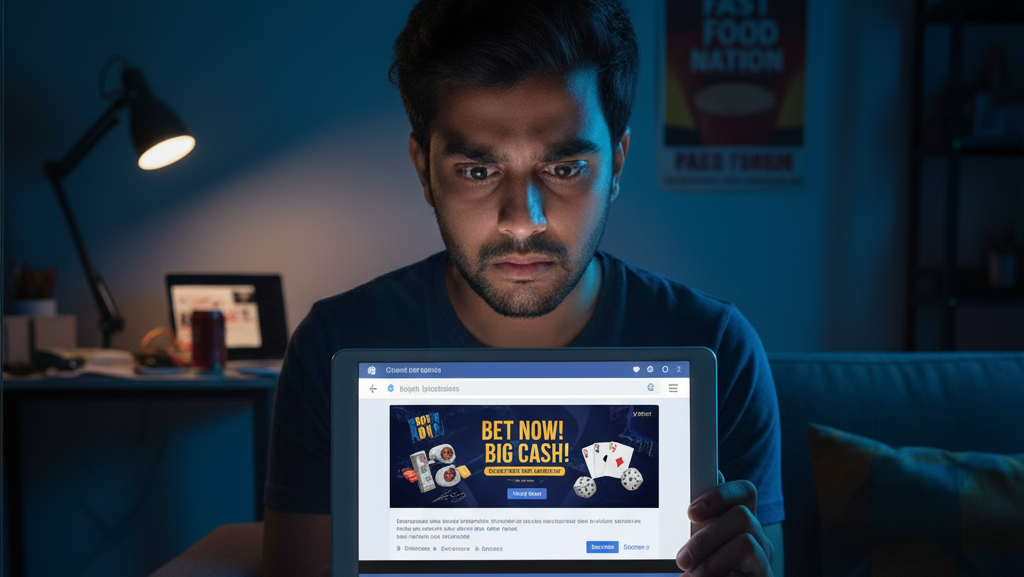
Moreover, 81.48% of the flagged ads promoted harmful products or unsafe situations in breach of ASCI’s Code Against Harmful Products, while 23.22% misled consumers through dishonest claims. Offshore and illegal betting advertisements dominated the violation list, with 4,575 such ads escalated to authorities, including the Ministry of Information and Broadcasting (MIB) and the Indian Cyber Crime Coordination Centre (I4C).
Additionally, 91% of these problematic ads were sponsored, underscoring the growing commercial push behind non-compliant content. ASCI attributed the sharp increase in ad violations to its intensified proactive monitoring and public vigilance. Overall, the data reflects how the digital ecosystem remains the epicentre of misleading and harmful advertising activity in India.
Ad Violations By Influencer Ecosystem
ASCI’s report highlights multiple influencer ad violations, revealing widespread non-compliance with disclosure norms and advertising guidelines. The regulator investigated 1,173 influencer advertisements, of which a striking 98% required modification. Furthermore, 59% of these ads promoted products disallowed by law, while 30.6% were voluntarily corrected after ASCI’s intervention. Over 75% of these ads pertained to betting and personal care. Despite this, many influencers continued to disregard both the ASCI Influencer Advertising Guidelines and the Consumer Protection Act (CCPA) norms.
The study examined Forbes India’s Top 100 Digital Stars 2024, who collectively command over 110 million followers. Alarmingly, 76% of them failed to disclose paid collaborations—up from 69% the previous year. Notably, 95% of those flagged agreed to correct their posts after ASCI’s intervention, with two cases escalated to the Department of Consumer Affairs for continued non-compliance.
In terms of category-wise violations, offshore and illegal betting promotions led with 683 cases, followed by personal care (194), food and beverages (67), fashion and lifestyle (54), and telecom and internet products (42). Within the 76 investigated cases, 65.8% featured no disclosure, 14.5% had incorrect disclosure, and 19.7% buried the required label.
Although post-investigation compliance improved from 93% to 97%, the report underlines a persistent trend of reactive compliance, where influencers amend their posts only after intervention.
The Influencer And Digital Ads…
Source link
Disclaimer
We strive to uphold the highest ethical standards in all of our reporting and coverage. We blogs.grocliq.com want to be transparent with our readers about any potential conflicts of interest that may arise in our work. It’s possible that some of the investors we feature may have connections to other businesses, including competitors or companies we write about. However, we want to assure our readers that this will not have any impact on the integrity or impartiality of our reporting. We are committed to delivering accurate, unbiased news and information to our audience, and we will continue to uphold our ethics and principles in all of our work. Thank you for your trust and support.
Website Upgradation is going on for any glitch kindly connect at [email protected]