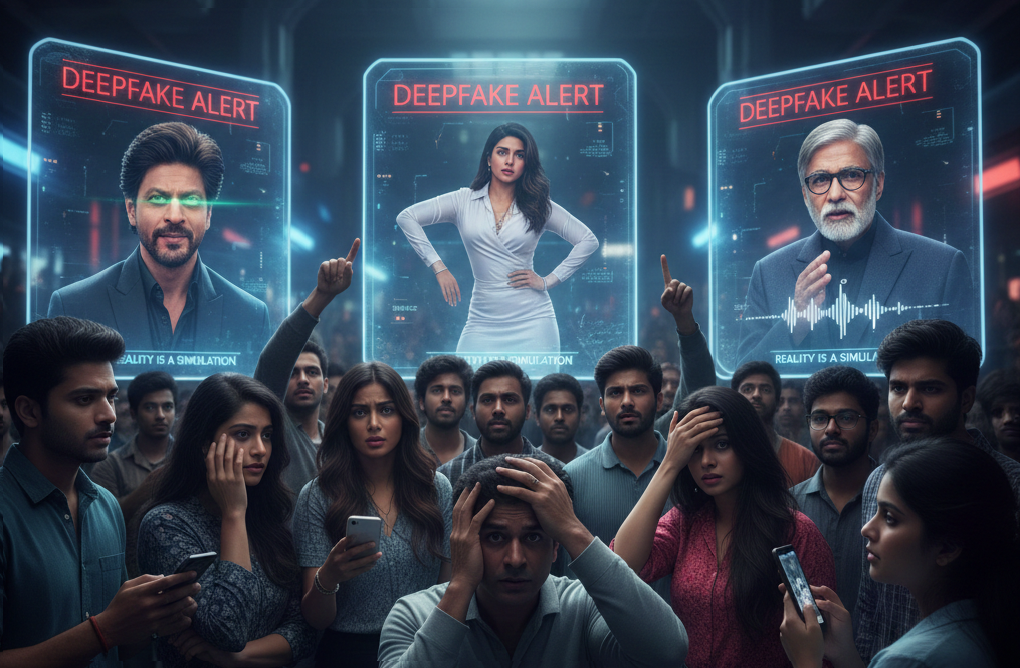

While India has no dedicated statute governing personality rights, courts and lawmakers still draw on constitutional provisions and existing statutes to interpret and enforce them. The recently operationalised Digital Personal Data Protection (DPDP) Act also adds another layer that may influence how these personality rights are interpreted and developed in India.
As more and more Indian “celebrities” are approaching various Indian courts to get their personality rights protected, it is pertinent to ask how the DPDP Act can impact the personality rights of individuals, especially when they are not “celebrities” by the general societal standard.
What are personality rights in the Indian context?
The Copyright Act can protect individuals who want to safeguard their copyrighted intellectual property, including their image, personality, or likeness. Under the Act, a person can assert the moral rights attached to their work and challenge any misrepresentation of it, which may extend to misrepresentation of their personality or image. Additionally, the Supreme Court’s Puttaswamy judgement, which upheld the right to privacy as a fundamental right, strengthens the legal basis for protecting personality rights in India.
However, the legacy of personalty property rights goes back to 1995 in India. The famous ruling in the R. Rajagopal v. State of Tamil Nadu case suggests that individuals, especially public figures, can stop others, including the press, from commercially exploiting their identity, and it strengthened the idea that privacy is a fundamental personal right that the press must respect while balancing it with the freedom of speech and expression – which empowers the freedom of the press constitutionally.
While ruling in favour of actor Rajinikanth, one of India’s most recognisable public figures, the Madras High Court noted that “celebrities” need not even prove the false representation, reputational damage or monetary loss to protect their personalities. This is particularly significant, as recent court orders have featured interim injunctions against individuals, including those utilising AI-based media outputs, who have misused the likeness of a “celebrity” for either financial gain or to malign them, which can also include morphing their images or videos with unrelated sexual imagery.
So, how will personality rights impact DPDPA?
Explaining the main intent behind the DPDP Act, Anubhab Sarkar, Managing Partner at Triumvir Law, said that the Act had not been “enacted with the primary goal of protecting personality rights.” He said the Act primarily regulates the processing of personal data and ensures that entities respect consent and the purpose for which they use the data.
Naqeeb Ahmed Kazia, Partner at CMS IndusLaw, also reiterated the same, saying that “the main intent is to protect personal data and protect against any misuse of it.”
“However, certain provisions of the Act…
Source link
Disclaimer
We strive to uphold the highest ethical standards in all of our reporting and coverage. We blogs.grocliq.com want to be transparent with our readers about any potential conflicts of interest that may arise in our work. It’s possible that some of the investors we feature may have connections to other businesses, including competitors or companies we write about. However, we want to assure our readers that this will not have any impact on the integrity or impartiality of our reporting. We are committed to delivering accurate, unbiased news and information to our audience, and we will continue to uphold our ethics and principles in all of our work. Thank you for your trust and support.
Website Upgradation is going on for any glitch kindly connect at [email protected]