

Cybersecurity researchers have discovered vulnerable code in legacy Python packages that could potentially pave the way for a supply chain compromise on the Python Package Index (PyPI) via a domain takeover attack.
Software supply chain security company ReversingLabs said it found the “vulnerability” in bootstrap files provided by a build and deployment automation tool named “zc.buildout.”
“The scripts automate the process of downloading, building, and installing the required libraries and tools,” security researcher Vladimir Pezo said. “Specifically, when the bootstrap script is executed, it fetches and executes an installation script for the package Distribute from python-distribute[.]org – a legacy domain that is now available for sale in the premium price range while being managed to drive ad revenue.”
The PyPI packages that include a bootstrap script that accesses the domain in question include tornado, pypiserver, slapos.core, roman, xlutils, and testfixtures.

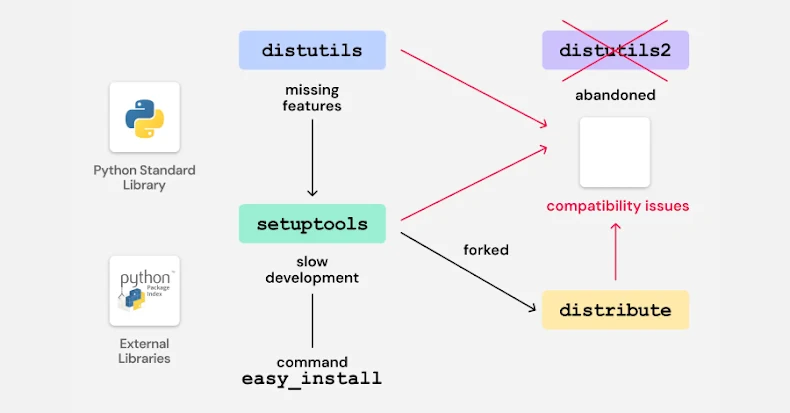
The crux of the problem concerns an old bootstrap script (“bootstrap.py“) that was used along with the zc.buildout tool to initialize the Buildout environment. The Python script also supported the ability to install a packaging utility called “Distribute,” a short-lived fork of the Setuptools project, into the local environment.
To achieve this, the Distribute installation script (“distribute_setup.py”) is fetched from the python-distribute[.]org, a domain that has been up for sale since 2014. In adding the option, the idea was to instruct the bootstrap script to download and install the Distribute package instead of the older Setuptools package to manage eggs and dependencies for the buildout.
It’s important to note that the Distribute fork came into being due to the lack of active development of Setuptools, the main package management tool used at that time. However, the features from Distribute were integrated back into Setuptools in 2013, rendering Distribute obsolete.
The issue identified by ReversingLabs concerns the fact that many packages have continued to ship the bootstrap script that either attempts to install Distribute by default or when the command-line option (“-d” or “–distribute”) is specified. This, coupled with the fact that the domain in question is up for grabs, puts users at latent risk as an attacker could weaponize this setup to serve malicious code when the bootstrap script is inadvertently run and potentially steal sensitive data.
While some of the affected packages have taken steps to remove the bootstrap script, the slapos.core package still continues to ship the vulnerable code. It’s also included in the development and maintenance version of Tornado.
Another important aspect to consider here is that the bootstrap script is not executed automatically during the package installation and is written in Python 2. This means the script cannot be executed with Python 3 without modifications. But…
Source link
Disclaimer
We strive to uphold the highest ethical standards in all of our reporting and coverage. We blogs.grocliq.com want to be transparent with our readers about any potential conflicts of interest that may arise in our work. It’s possible that some of the investors we feature may have connections to other businesses, including competitors or companies we write about. However, we want to assure our readers that this will not have any impact on the integrity or impartiality of our reporting. We are committed to delivering accurate, unbiased news and information to our audience, and we will continue to uphold our ethics and principles in all of our work. Thank you for your trust and support.
Website Upgradation is going on for any glitch kindly connect at [email protected]