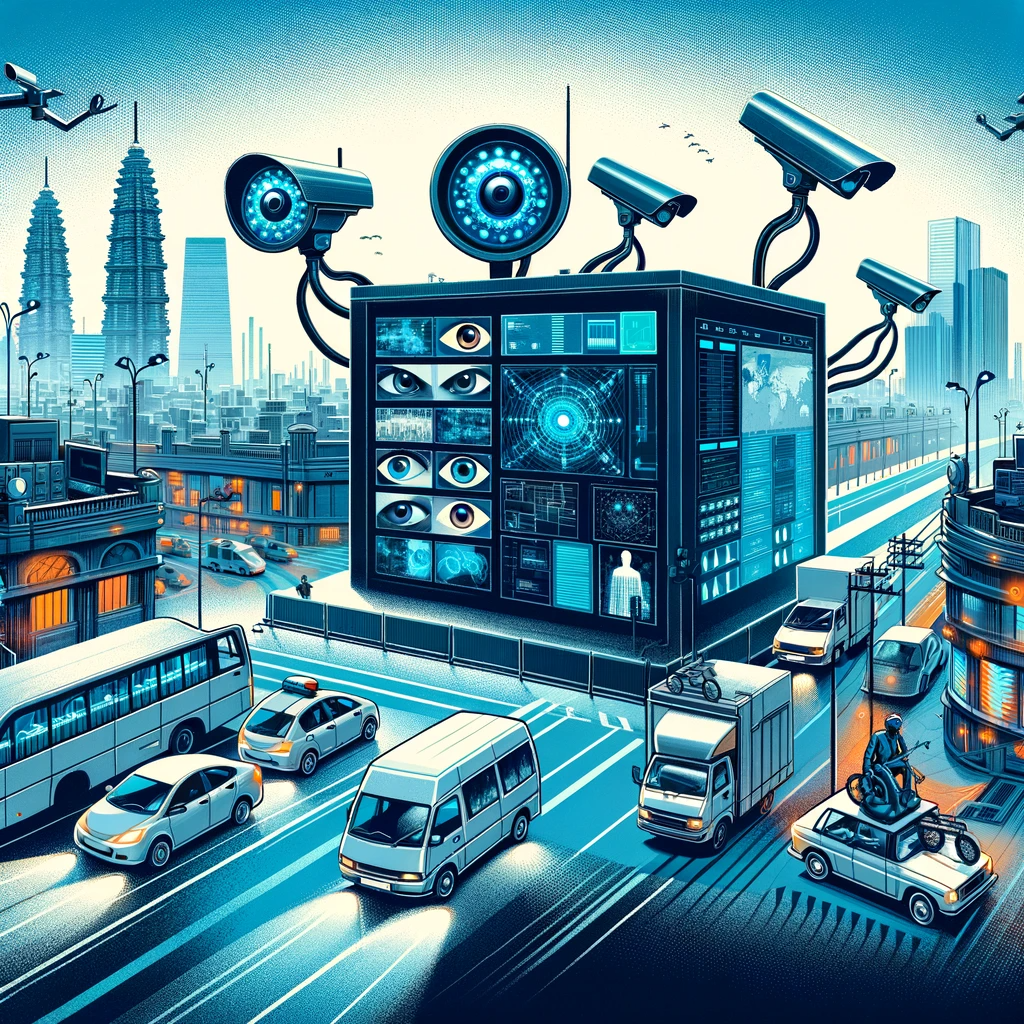

Under the Ministry of Home Affairs’ Samanvaya Portal, created in 2024 to maintain a central “suspect registry” of cybercriminals, banks and other financial institutions have submitted more than 1.843 million suspect identifier records and 2.467 million Layer 1 mule accounts. The Indian Cyber Crime Coordination Centre (I4C), which operates the portal, has received all of this data.
Additionally, using the Pratibimb module under the same platform, the I4C has also mapped the locations of criminals and criminal infrastructure to aid jurisdictional officers and other law enforcement agencies like the CBI and ED. This raises significant concerns around possible social profiling, which can reinforce existing biases or create new ones.
Originally, the MHA’s Samanvaya Platform was launched to serve as a Management Information System (MIS), a data repository, and a coordination platform for law enforcement agencies. It is also important to note that the Reserve Bank of India’s (RBI) subsidiary unit, the Reserve Bank Innovation Hub (RBIH), recently launched MuleHunterAI, an AI/ML-based tool developed to detect and flag mule bank accounts involved in financial fraud. Similarly, the NPCI has piloted an AI model to assess risk scores for accounts with multiple transfers.
Why Predictive Policing is a Privacy Concern?
Such predictive policing mechanisms are used not only by central government agencies but also by several state police departments. For example, the Mumbai Police’s social media labs track social media trends and activities for “predictive policing,” as revealed by then Commissioner of Mumbai Police, Vivek Phansalkar. In addition to social media monitoring, the Maharashtra Police have also deployed an AI-powered command control centre to track cybercrimes, including through CCTV-based surveillance.
Similarly, the Chennai Police operate a “Social Analytics Suite” that shares information about an individual’s social media profiles and digital footprint across multiple platforms with other law enforcement agencies.
The Hyderabad Police, often criticised for intrusive surveillance practices, are also working on maintaining a history-sheet-like database of “Habitual Social Media Offenders” by creating a suspect list that includes individuals involved in cybercrimes, even if they are under trial. This can lead to false positives and further reinforce biases. Recently, in October 2025, the Telangana Police floated a tender to monitor and retrieve deleted and “view once” messages, track online news and conversations about businesses, and even snoop into individuals’ devices without alerting users.
During MediaNama’s collaboration with the Meta India Tech Scholars program, fellow Asees Kaur pointed out the use of predictive analytics tools and the biases they can enforce. “These systems in India have been implemented without any safeguards. My main finding was that predictive policing systems…
Source link
Disclaimer
We strive to uphold the highest ethical standards in all of our reporting and coverage. We blogs.grocliq.com want to be transparent with our readers about any potential conflicts of interest that may arise in our work. It’s possible that some of the investors we feature may have connections to other businesses, including competitors or companies we write about. However, we want to assure our readers that this will not have any impact on the integrity or impartiality of our reporting. We are committed to delivering accurate, unbiased news and information to our audience, and we will continue to uphold our ethics and principles in all of our work. Thank you for your trust and support.
Website Upgradation is going on for any glitch kindly connect at [email protected]