
When I was in college and didn’t know what to do with my life, my dad offered this career advice: be a certified public accountant. Why?
“Because,” he said. “People will always need their taxes done. They’ll always need financial advice. With a CPA license, you can always hang out a shingle and put food on the table.”
It was good advice, and it’s still relevant today. So relevant, it’s the same advice I gave to my kids when they reached the same age and were equally unsure about their futures. They don’t have to become CPAs (one did). But they should become professionals licensed by the state. It’s the best job security ever.
State licensing boards have come under scrutiny this year. A Cato Institute report accuses these boards of over-extending their power and there are initiatives this year to curtail their power. Some of these arguments are not without merit. And I’m sure the system can be refined in various ways. In the meantime, my advice remains the same: get a license. Despite arguments against, state licensing is a powerful job protector.
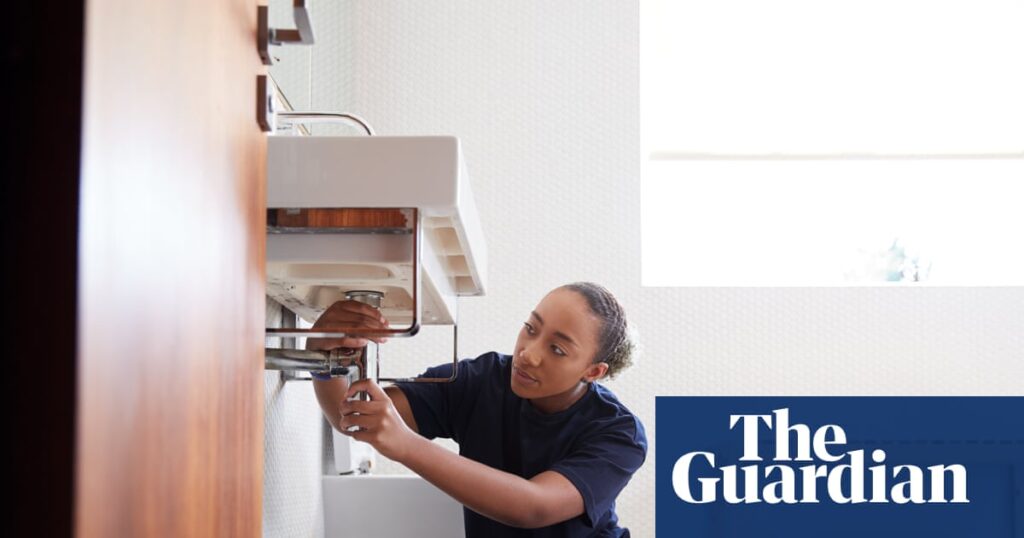
Become a licensed beautician, pharmacist, engineer, cosmetologist, nurse or landscaper. Take advantage of the data-construction boom and get licensed in a construction trade like electrical, plumbing, home improvement, fire inspection.
These jobs are never going to be replaced by technology. AI-based tools and robotics will help improve productivity and will certainly be able to do more hazardous tasks. But they will need to be operated by humans who are licensed professionals.
And it’s critical that the license is government-issued, and not some certificate issued by some podunk college or company that’s basically earned by paying a fee. Having a state license means you’ve worked through an educational program and most likely sat for an exam that has validated your competence. For many professions like mine, you’re required to keep up annually with ongoing educational requirements. All of these professions are represented by countless associations, groups and organizations that support their members with education, resources, mentoring, job connections and even healthcare.
Getting a professional license will result in a higher-paid job, certainly more than another applicant without one. It brings credibility. It demonstrates commitment. It doesn’t guarantee you a job, but it serves as a form of reference that you are competent at what you do and disciplined to get a license.
In earlier times, professionals needed to pay someone to serve as an apprentice in order to learn a trade. Now the state provides that service. And in many cases their requirements are even tougher. To receive my CPA license in Pennsylvania, for example, I needed to not only have a college degree, but pass an exam and work in public accounting for two years. This is why some trade schools are reporting more than a 35% increase in enrollment since 2020. It’s why state licenses have increased as much as…
Source link
Disclaimer
We strive to uphold the highest ethical standards in all of our reporting and coverage. We blogs.grocliq.com want to be transparent with our readers about any potential conflicts of interest that may arise in our work. It’s possible that some of the investors we feature may have connections to other businesses, including competitors or companies we write about. However, we want to assure our readers that this will not have any impact on the integrity or impartiality of our reporting. We are committed to delivering accurate, unbiased news and information to our audience, and we will continue to uphold our ethics and principles in all of our work. Thank you for your trust and support.
Website Upgradation is going on for any glitch kindly connect at [email protected]