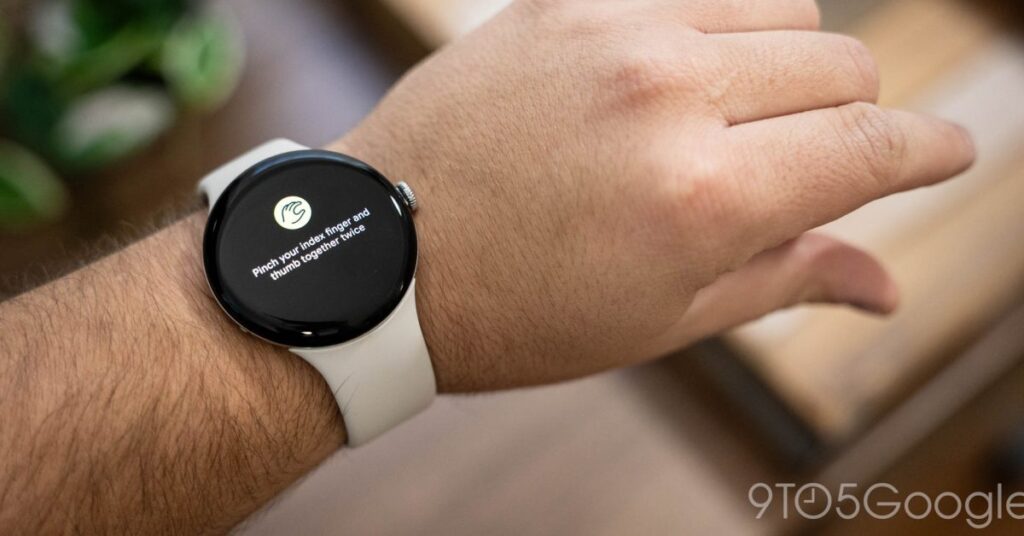

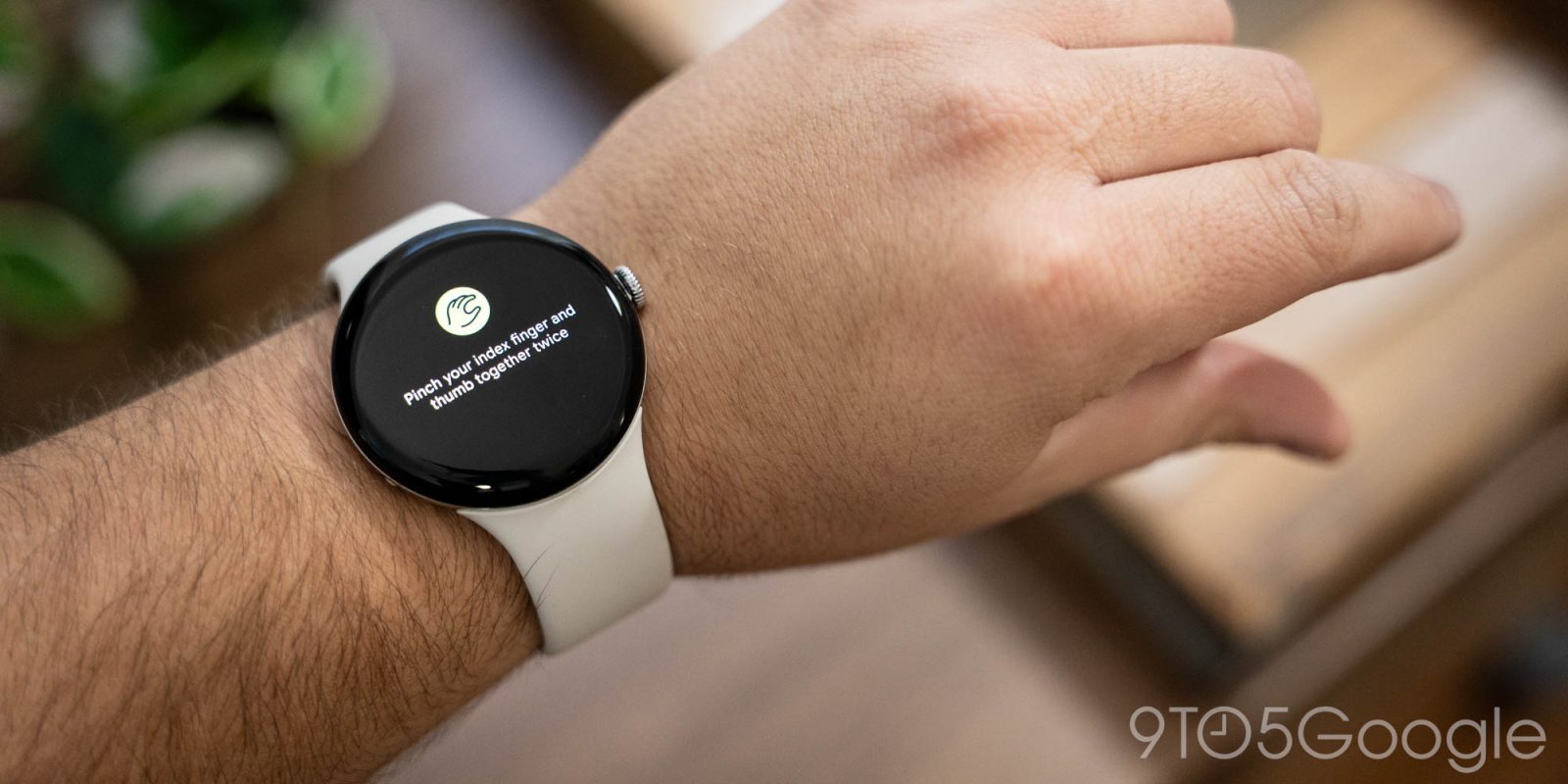
Google rolled out a major Pixel Watch update this week that, for Pixel Watch 4 owners, delivers support for new one-handed gestures. They’re super useful already, but do they measure up to the gestures Google introduced a decade ago?
This issue of 9to5Google Weekender is a part of 9to5Google’s rebooted newsletter that highlights the biggest Google stories with added commentary and other tidbits. Sign up here to get it delivered to your inbox early!
Rolling out in the December 2025 update for Pixel Watch 4, new “double pinch” and “wrist turn” gestures are available. These gestures, as Google explains, offer controls and interactions such as “scroll through notifications, dismiss notifications, snooze your alarm effortlessly, manage a timer or stopwatch, pause your music, select a smart reply to respond, answer and end a phone call,” and more.
It works rather well. Getting a long message notification no longer requires me to drop what I’m doing to read the whole thing, as a quick double-pinch gesture scrolls down. Wrist turn is a bit less useful so far, but I’m looking forward to seeing what it can do with more time.
But as a long-time Wear OS user, I can’t help but look back and wonder why Google isn’t doing a bit more.
Google offered gestures on Wear OS literally a decade ago, back when the platform was still called Android Wear.
Today’s “wrist turn” is a recycled version of “wrist flicks” from those days. Except, back then, they could do a little more. The original version of this feature allowed users to use the gesture basically all of the time. A flick “out” would scroll down, while a flick “in” scrolled back up. This had obvious utility in notifications, but it was also useful for opening your notification feed and scrolling through the whole thing without touching the screen, as the gesture worked even when on the watch face.
The other gesture was to “shake” the entire watch, which would send you back to the watch face regardless of what you were actively doing. This was the most clunky one of the bunch, but it was still handy at times.
Google removed these in Wear OS 3, though Samsung brought its own version (heavily based on gestures from the Apple Watch) a couple of years ago. The removal was probably because, while useful, these gestures didn’t always work reliably, and they only made the battery life problems of early Android-based smartwatches worse. As you can see in the video above, the “up” and “down” wrist flicks didn’t always work as intended, with the other direction sometimes activating instead.
After a few days with the new gestures on Pixel Watch, I can’t help but think there’s a good middle ground between today’s implementation and what was offered years ago. The biggest upgrade in my book would be…
Source link
Disclaimer
We strive to uphold the highest ethical standards in all of our reporting and coverage. We blogs.grocliq.com want to be transparent with our readers about any potential conflicts of interest that may arise in our work. It’s possible that some of the investors we feature may have connections to other businesses, including competitors or companies we write about. However, we want to assure our readers that this will not have any impact on the integrity or impartiality of our reporting. We are committed to delivering accurate, unbiased news and information to our audience, and we will continue to uphold our ethics and principles in all of our work. Thank you for your trust and support.
Website Upgradation is going on for any glitch kindly connect at [email protected]