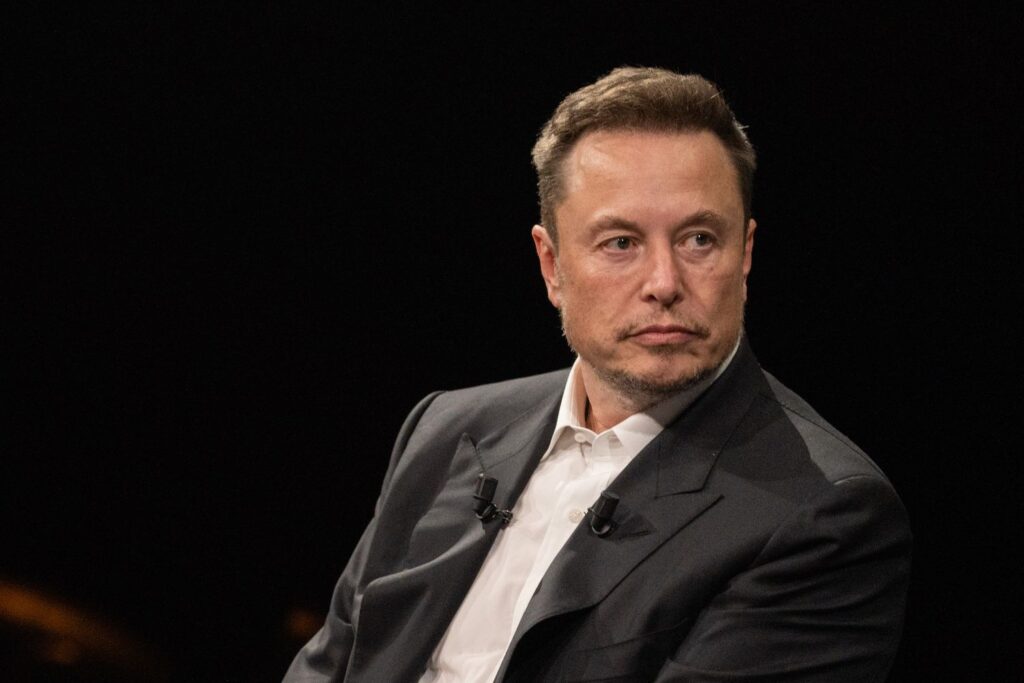

Elon Musk’s SpaceX has acquired his artificial intelligence (AI) startup xAI and folded it into its space and satellite business as part of a broader vision to move large-scale AI compute – the computing power used to train and run AI systems – into orbit.
Announcing the integration, Musk said the combined entity envisions satellite-based data centres, or computing infrastructure hosted on satellites in orbit, launched by Starship: its next-generation heavy-lift rocket.
He further argued that Earth-based data centres are nearing limits around energy use and cooling. “Current advances in AI are dependent on large terrestrial data centres, which require immense amounts of power and cooling,” he wrote.
Musk described this model as increasingly unsustainable as AI systems scale and impose growing environmental and community costs. By contrast, he said that space offers near-constant solar power and physical scale, allowing AI infrastructure to expand without the same constraints.
SpaceX positioned Starship as the key enabler of this shift. The company said existing launch systems cannot lift the volume of hardware required to support space-based compute at scale. However, Starship’s payload capacity and launch cadence could allow SpaceX to deploy large satellite constellations that function as distributed AI infrastructure. Musk also linked this vision to SpaceX’s satellite internet roadmap, including future direct-to-mobile connectivity.
The financial context
From a financial perspective, the deal pairs a profitable space contractor with a capital-intensive AI startup. SpaceX reached a valuation of around $800 billion in a secondary share sale last year, where existing shareholders sell their stakes to new investors. Meanwhile, the spacecraft company also generated roughly $15–16 billion in revenue in 2025, per Reuters.
In contrast, xAI reached a valuation of about $230 billion earlier this year and has raised more than $20 billion to build AI infrastructure. The integration also comes as SpaceX is widely expected to pursue a public listing in the future, a move that could strengthen xAI’s access to capital and long-term funding. Pertinently, SpaceX did not disclose deal terms, timelines, or regulatory approvals associated with the acquisition.
Overall, the technical ambition and financial rationale are clear. However, the legal and governance implications of moving AI infrastructure into a space orbit remain far less defined.
What we don’t know yet
Who governs AI compute in orbit?
International space law assigns responsibility for private activity in outer space to nation states, but it does so by regulating space objects rather than digital services.
Article VI of the United Nations’ (UN) Outer Space Treaty (1967) requires nation states to bear international responsibility for national activities in outer space, including those carried out by private companies, and to authorise…
Source link
Disclaimer
We strive to uphold the highest ethical standards in all of our reporting and coverage. We blogs.grocliq.com want to be transparent with our readers about any potential conflicts of interest that may arise in our work. It’s possible that some of the investors we feature may have connections to other businesses, including competitors or companies we write about. However, we want to assure our readers that this will not have any impact on the integrity or impartiality of our reporting. We are committed to delivering accurate, unbiased news and information to our audience, and we will continue to uphold our ethics and principles in all of our work. Thank you for your trust and support.
Website Upgradation is going on for any glitch kindly connect at [email protected]