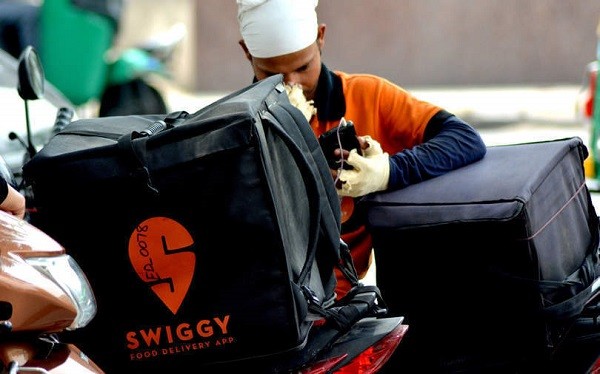

by Nighat from Aapti Institute
In December 2025, approximately 40,000 delivery workers participated in a nationwide strike, protesting unsafe working conditions, 10-minute deliveries, precarious income, arbitrary ID blocking, and a lack of social security. These demands for the bare minimum reveal the foundation of exploitation that sets the stage for India’s platform economy.
India’s economic identity has long been shaped by servicing global demand, as the world’s back office, and now increasingly the domestic demand, through a platform revolution. The gig economy meets the hyper-local needs of India’s own consumers, powered by millions in food delivery, logistics, and home services.
Post-COVID digital acceleration turned this app-based work from niche to necessity, yet it thrives on systemic precarity. This model of work is built on the promise of flexibility, but in practice, it often means no guaranteed minimum wage, employer-provided health insurance, or paid leave, with workers managed by opaque algorithms and bearing all risks themselves.
The Code on Social Security (CoSS) 2022 represents a landmark first step, finally granting “gig workers” a distinct legal identity and the promise of social security. This recognition, however, offers more illusion than protection. Its flaw is refusing to redefine the employment relationship, leaving workers as “independent contractors” denied minimum wage, regulated hours, and job security. This leads to a second flaw: a vaguely defined tripartite funding model (government, aggregator, worker) with no mandated contribution rates, creating a benefits promise conditional on future political and corporate will.
In contrast, the Karnataka Platform Gig Workers Bill (2025) attempts to offer a more concrete path. It mandates a Welfare Fund financed by a transaction fee. It creates a detailed but fractured grievance system: disputes over pay or termination must first go to the aggregator’s own Internal Committee. In contrast, issues over welfare benefits go to a State Officer.
This complexity highlights the law’s core limitation: it creates bureaucratic processes to manage a broken relationship without reclassifying workers as employees. And this pattern is national. For instance, states like Rajasthan and Bihar propose similar registration-based welfare models that avoid challenging the foundational non-employee status. Unfortunately, the consensus remains that current laws treat the symptoms of precarity with palliatives, while its cause remains untouched.
The flaws are not theoretical. The December 2025 protests, with core demands for a fixed wage, dignity, and social security, are a direct response to this legislative void, where identity is granted but economic rights are withheld.
One-size-fits-all solution?
A fundamental weakness of laws like CoSS and the Karnataka Act stems from their foundational legal construct: the creation of a singular,…
Source link
Disclaimer
We strive to uphold the highest ethical standards in all of our reporting and coverage. We blogs.grocliq.com want to be transparent with our readers about any potential conflicts of interest that may arise in our work. It’s possible that some of the investors we feature may have connections to other businesses, including competitors or companies we write about. However, we want to assure our readers that this will not have any impact on the integrity or impartiality of our reporting. We are committed to delivering accurate, unbiased news and information to our audience, and we will continue to uphold our ethics and principles in all of our work. Thank you for your trust and support.
Website Upgradation is going on for any glitch kindly connect at [email protected]