
Elon Musk and other AI leaders have repeatedly insisted that the solution to the industry’s extremely costly and energy-intensive data centers is to launch them into space, taking advantage of unfettered access to solar energy and virtually limitless real estate.
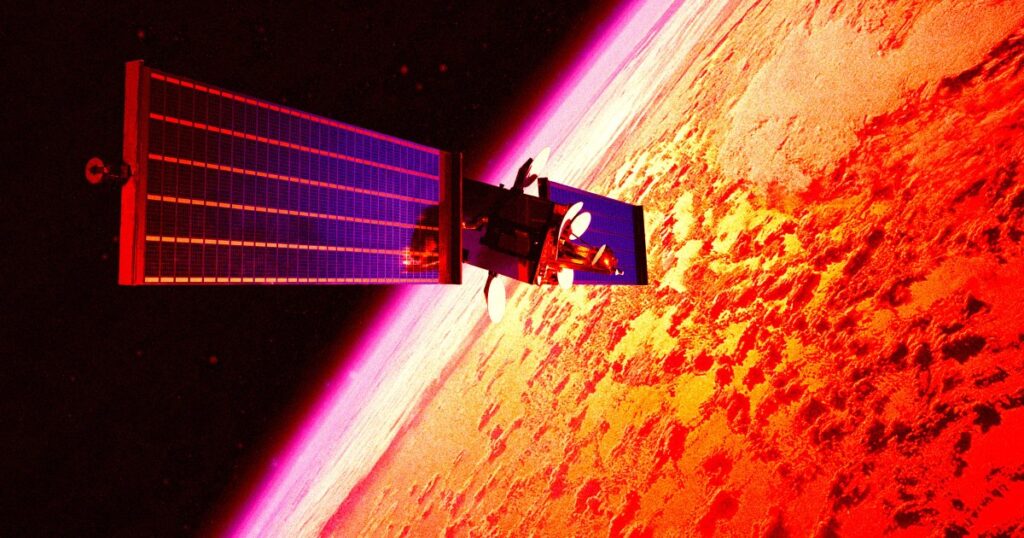
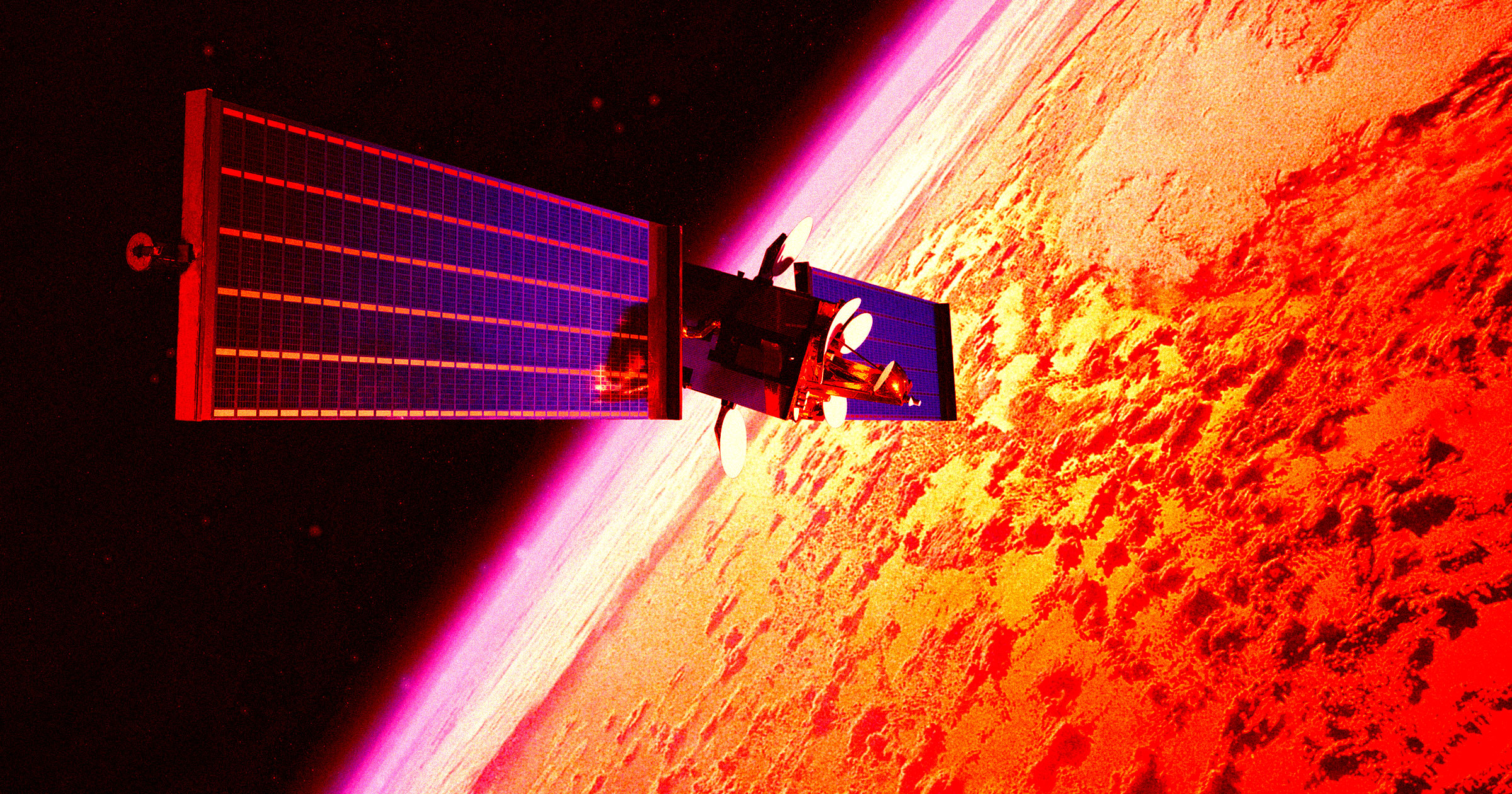
Late last month, SpaceX — now merged with xAI — filed a patent for an orbital data center constellation with the Federal Communications Commission. The idea is to have up to one million satellites circle the Earth at altitudes between 310 and 1,200 miles at a Sun-synchronous orbit to maximize the amount of solar energy captured.
The application didn’t elaborate on any of the specifics, suggesting SpaceX had only begun to ponder the idea. That’s despite Musk promising that space-based data centers could overtake their Earthbound counterparts as the most affordable way to power AI within just three years — likely yet another one of his characteristically overambitious timelines.
Many experts remain highly skeptical, questioning the financial feasibility and the technological limitations of running data centers in space.
And as Rebekah Reed — former NASA associate director and Harvard University associate director of the Program on Emerging Technology, Scientific Advancement, and Global Policy — argued in an essay for the Financial Times, it may be an even more cursed idea than we initially thought, pointing out considerable environmental concerns, on top of glaring questions regarding costs and operations.
“Treating orbit as a workaround for AI’s current energy-hungry training needs is, as OpenAI co-founder Sam Altman recently put it, ‘ridiculous,’” she wrote. “Orbital data centers are many years, perhaps decades, away.”
While Google CEO Sundar Pichai has predicted we’re only a decade away from orbital data centers, Altman ridiculed the idea, arguing during a recent conference that we’re simply “not there yet.”
Reed made the case that launching all of that mass into orbit would be prohibitively expensive. To become “economically viable”would require costs to fall below $200 per kilogram, a “sevenfold reduction from current levels.”
“That threshold isn’t expected until the mid-2030s,” she wrote.
Then there’s the issue of maintenance. In case a chip were to malfunction — or inevitably become obsolete — there’s a simple fix like sending an IT technician to rectify the issue.
“In orbit, that task requires either sophisticated in-space servicing or acceptance of degrading performance and stranded capital that becomes orbital debris as components age and fail,” Reed wrote.
Worse yet, falling satellites could inject harmful pollutants, including metals, into the upper atmosphere, an environmental toll scientists are still racing to understand.
Reed…
Source link
Disclaimer
We strive to uphold the highest ethical standards in all of our reporting and coverage. We blogs.grocliq.com want to be transparent with our readers about any potential conflicts of interest that may arise in our work. It’s possible that some of the investors we feature may have connections to other businesses, including competitors or companies we write about. However, we want to assure our readers that this will not have any impact on the integrity or impartiality of our reporting. We are committed to delivering accurate, unbiased news and information to our audience, and we will continue to uphold our ethics and principles in all of our work. Thank you for your trust and support.
Website Upgradation is going on for any glitch kindly connect at [email protected]