
Downloads:-
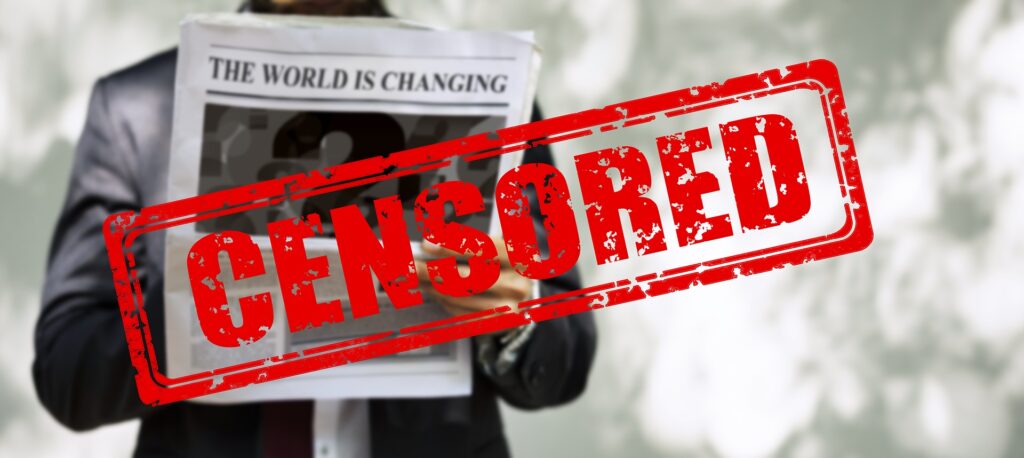
Amnesty International has called on the Ministry of Electronics and Information Technology (MeitY) to immediately withdraw the Information Technology (Intermediary Guidelines and Digital Media Ethics Code) Second Amendment Rules, 2026, warning that the proposed changes would “institutionalise sweeping executive control over online expression” and “facilitate arbitrary censorship and mass surveillance”.
What are the concerns raised by Amnesty?
1. Censorship extended to ordinary users: A major bone of contention is the proposed changes to Rule 8(1), which, Amnesty says, would intensify the government’s censorship of digital content. Until now, the rules governing the Ministry of Information and Broadcasting’s digital media ethics code—including its Inter-Departmental Committee and emergency blocking powers—applied only to intermediaries and publishers of news and current affairs. The draft amendments would bring ordinary users posting news content on platforms such as X, YouTube or Facebook within the ambit of the same framework.
Amnesty flagged that the existing definition of “news and current affairs content” under Rule 2(m) is already dangerously overbroad. Further extending the definition to all content based on its context, substance, purpose, import and meaning, the proposed Rules transform it into a “catch-all clause”, effectively bringing all forms of user-generated content under scrutiny.
The human rights body further states that India’s 2026 IT Amendment Rules may be in violation of Article 19 of the International Covenant on Civil and Political Rights (ICCPR), which requires that any restriction on freedom of expression must satisfy the tests of legality, necessity, and proportionality.
The organisation also drew attention to Rule 16(2) of the IT Rules 2021, under which an “authorised officer” appointed by the MIB can order emergency blocking of content that falls within the grounds set out in Section 69(A) of the IT Act. The proposed change would mean, the ministry may also order continued blocking of any user-generated content without providing the affected party an opportunity to be heard.
“When read together with increasingly compressed takedown timelines—reportedly reduced to as little as one to three hours—this framework poses a serious risk to the right to freedom of expression. Such restrictions are neither necessary nor proportionate, as they do not represent the least intrusive means of achieving the stated objective and instead incentivise the precautionary removal of lawful speech by platforms to avoid penalties and loss of their safe harbour protection,” Amnesty said.
It further argues that rapid takedown obligations undermine the ability to assess content in its proper context, including the likelihood of harm, as mandated under international human rights standards such as the Rabat Plan of Action. The absence of procedural…
Source link
Disclaimer
We strive to uphold the highest ethical standards in all of our reporting and coverage. We blogs.grocliq.com want to be transparent with our readers about any potential conflicts of interest that may arise in our work. It’s possible that some of the investors we feature may have connections to other businesses, including competitors or companies we write about. However, we want to assure our readers that this will not have any impact on the integrity or impartiality of our reporting. We are committed to delivering accurate, unbiased news and information to our audience, and we will continue to uphold our ethics and principles in all of our work. Thank you for your trust and support.
Website Upgradation is going on for any glitch kindly connect at [email protected]