
- Access the copyright lawsuit against Meta here.
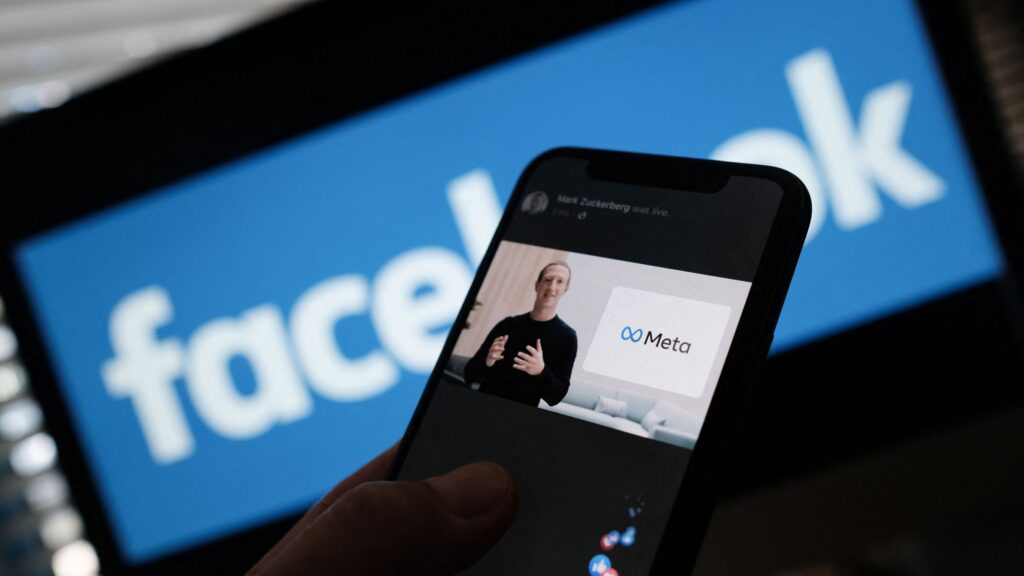
A coalition of major publishers — Elsevier, Cengage, Hachette, Macmillan, and McGraw-Hill — along with bestselling author Scott Turow and his company S.C.R.I.B.E., Inc., filed a class action complaint against Meta Platforms, Inc. and its CEO, Mark Zuckerberg, in the U.S. District Court for the Southern District of New York on May 5, 2026.
The plaintiffs allege that the defendants committed extensive copyright infringement by downloading pirated books and journal articles, scraping unauthorised web content and repeatedly using these materials to train successive versions of the Llama AI model, all without paying licensing fees.
According to the complaint, the allegedly infringed material spans textbooks, scientific journals, and popular fiction, including titles such as The Fifth Season by N. K. Jemisin and The Wild Robot by Peter Brown.
Meta Defends AI Training as Fair Use: A Meta spokesperson dismissed the suit, arguing that courts have already found AI training on copyrighted material can qualify as fair use, and vowed to fight the lawsuit aggressively.
The company’s defence is part of a broader legal strategy that has recently succeeded in U.S. courts. In June 2025, a U.S. federal court ruled in Meta’s favour in a separate lawsuit brought by authors who claimed the company unlawfully used copyrighted books to train its Llama AI models. The court found that the plaintiffs did not sufficiently prove market harm from Meta’s AI systems, a key factor in determining fair use under U.S. copyright law.
The judge ruled that Meta’s use of the books was “highly transformative,” and noted that Llama did not reproduce substantial portions of the original works, even with adversarial prompting. The court also stated that although Meta’s AI business is commercial, commercial intent alone does not preclude a fair use defense. The court also addressed Meta’s alleged use of pirated books separately from the fair use analysis. The judge stated that downloading from shadow libraries does not automatically invalidate a fair use defense, but noted that using pirated repositories may indicate bad faith in certain situations.
Allegations Around Meta’s Use of Pirated Books: In November 2025, Entrepreneur Media sued Meta, alleging the company used pirated articles to train its Llama AI model. The complaint, filed in the U.S. District Court for the Northern District of California, claimed that several Entrepreneur titles and registered magazine issues, including Start Your Own Import/Export Business, appeared in the LibGen corpus. Meta allegedly downloaded this corpus with Mark Zuckerberg’s authorization to train Llama. Entrepreneur argued that the harm was direct and commercial, as users could prompt Llama to generate similar guidance for free, reducing demand for its business guides and periodicals.
In June 2025, a U.S. federal judge granted Meta summary judgement…
Source link
Disclaimer
We strive to uphold the highest ethical standards in all of our reporting and coverage. We blogs.grocliq.com want to be transparent with our readers about any potential conflicts of interest that may arise in our work. It’s possible that some of the investors we feature may have connections to other businesses, including competitors or companies we write about. However, we want to assure our readers that this will not have any impact on the integrity or impartiality of our reporting. We are committed to delivering accurate, unbiased news and information to our audience, and we will continue to uphold our ethics and principles in all of our work. Thank you for your trust and support.
Website Upgradation is going on for any glitch kindly connect at [email protected]