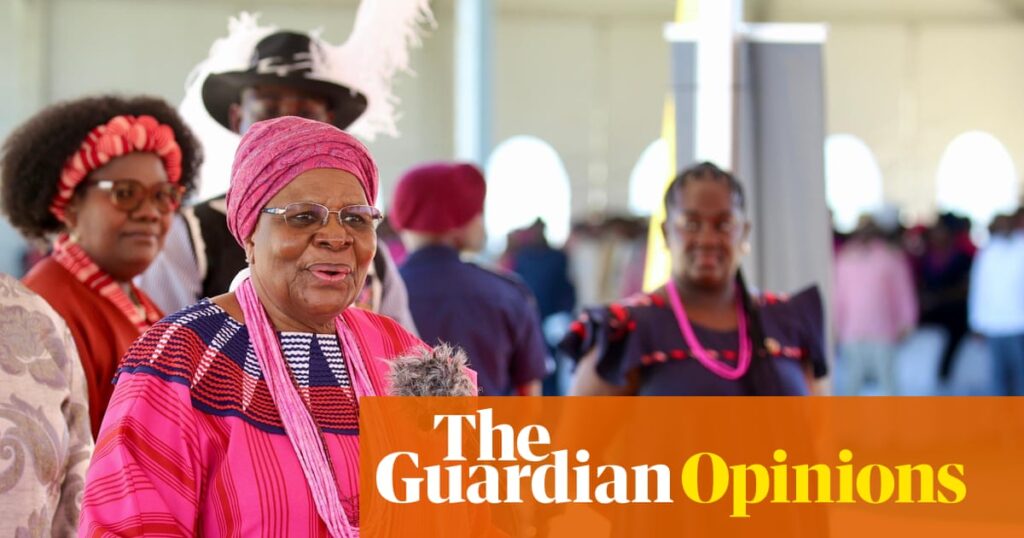

For a moment, the speech attributed to Namibia’s president travelled across the world like a gust of hope. It was fierce. Defiant. Unapologetically sovereign. The speaker denounced corruption, condemned foreign exploitation and declared that Africa’s resources belonged not to politicians or multinational corporations but to its people. Netumbo Nandi-Ndaitwah spoke of leaders who signed away national wealth behind closed doors and warned that those who betrayed the public trust would face accountability. It sounded like the language of decolonisation reborn.
Across social media, many listened with admiration. Finally, here was a leader speaking with moral clarity. Here was the rhetoric that generations of postcolonial citizens had been waiting to hear. But there was one problem. It was fake. Nandi-Ndaitwah rejected it as an AI-generated fabrication.
Someone, somewhere, had created a fantasy. Yet perhaps that is precisely why the speech, released last year, travelled so widely and continues to do so. It resonated not because people are gullible, but because people are longing for ethical leadership, moral seriousness and leaders willing to speak uncomfortable truths.
The speech was not embraced because it was true. It was embraced because it articulated truths many believe their leaders are afraid to say, exposing a leadership vacuum that stretches far beyond Namibia.
At its heart, it spoke of decolonisation, not merely the formal end of colonial rule but the continuing struggle to reclaim political agency, economic sovereignty and intellectual independence. This is not a fringe concern. It sits at the centre of contemporary politics across much of Africa and the Caribbean.
Decolonisation was never meant to end with independence ceremonies and lowered imperial flags. Political freedom without economic autonomy can quickly become symbolism without substance. Recent events in Jamaica revealed how colonial hierarchies continue to shape postcolonial institutions. A parliamentarian was prevented from speaking in Jamaican. The symbolism was hard to miss: a foreign language was accommodated, while the language of the Jamaican people remained unwelcome in the nation’s highest democratic chamber.
Coloniality survives because it adapts. The flags changed; the hierarchy remained. This is why the fake Namibian speech struck such a nerve. It sounded like an echo of past voices.
The Caribbean and Africa have produced many such voices, some of the 20th century’s greatest anti-colonial thinkers: CLR James, Walter Rodney, Frantz Fanon, Kwame Nkrumah, Patrice Lumumba, Thomas Sankara among them, all of whom understood that liberation required moral courage as much as political independence.
Source link
Disclaimer
We strive to uphold the highest ethical standards in all of our reporting and coverage. We blogs.grocliq.com want to be transparent with our readers about any potential conflicts of interest that may arise in our work. It’s possible that some of the investors we feature may have connections to other businesses, including competitors or companies we write about. However, we want to assure our readers that this will not have any impact on the integrity or impartiality of our reporting. We are committed to delivering accurate, unbiased news and information to our audience, and we will continue to uphold our ethics and principles in all of our work. Thank you for your trust and support.
Website Upgradation is going on for any glitch kindly connect at [email protected]