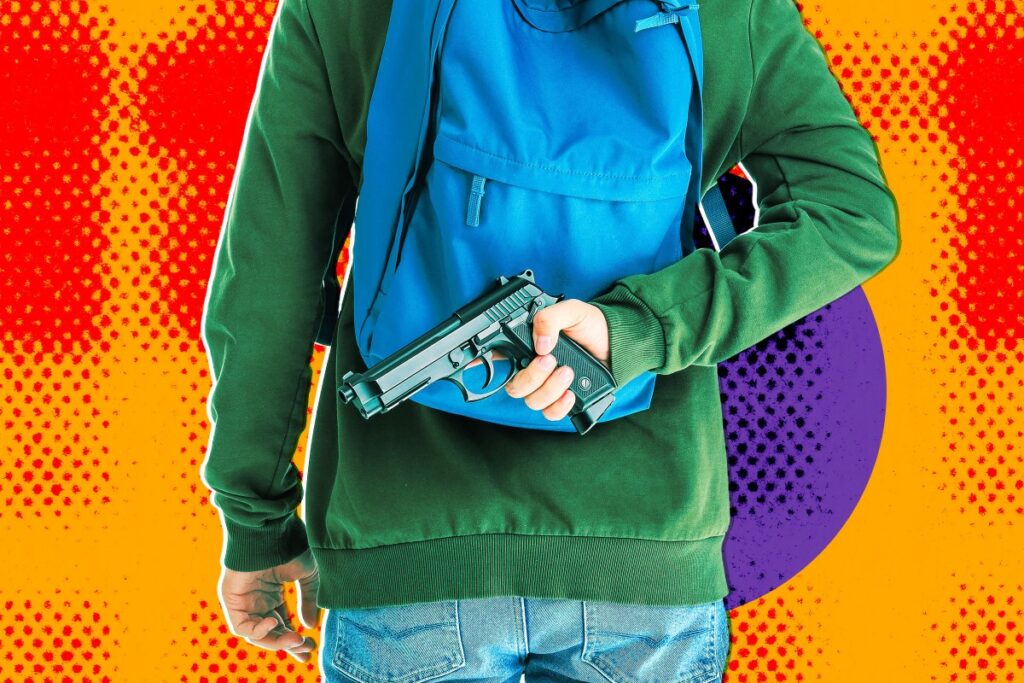

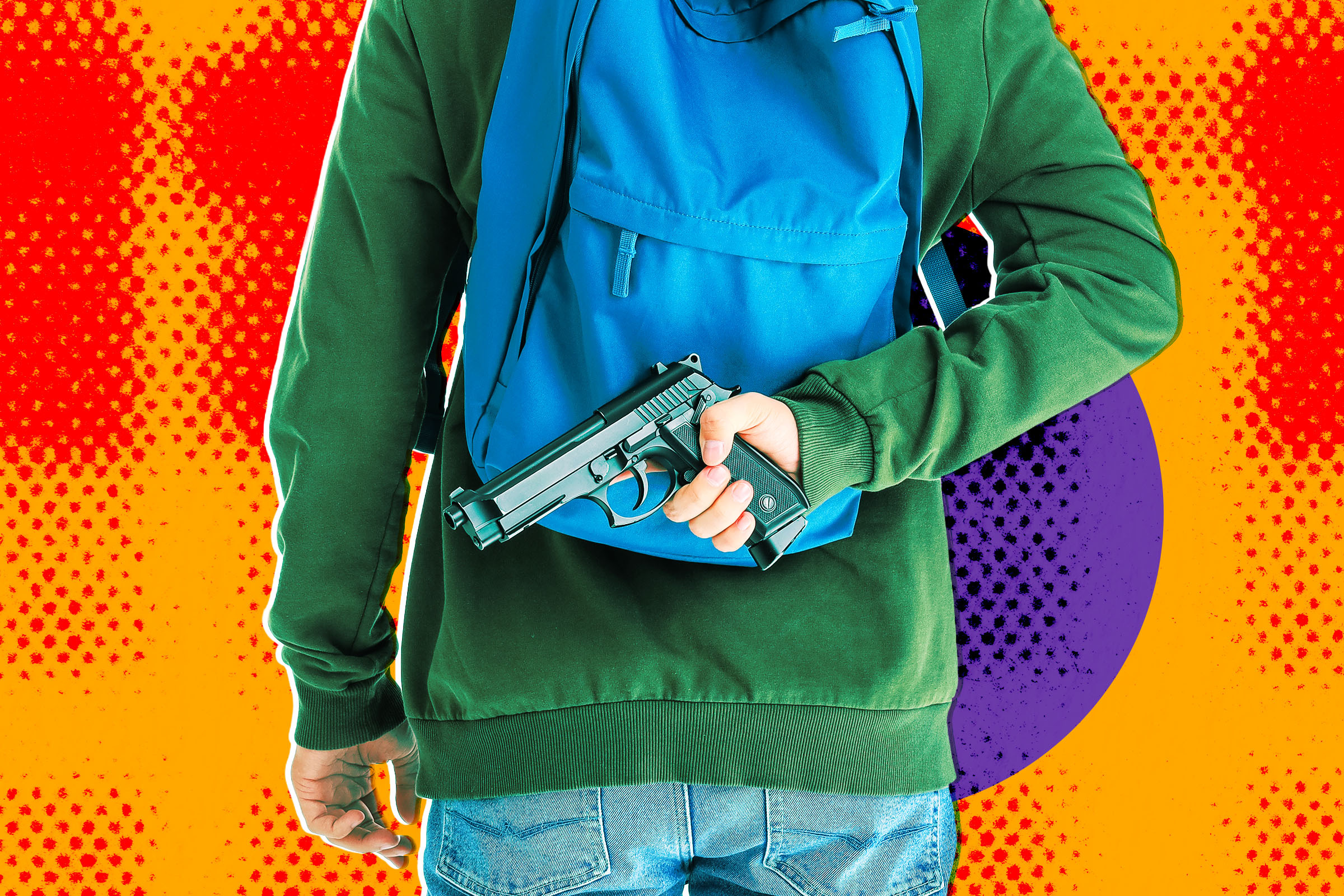
The company behind an “AI gun detection” system is being sued by the survivor of a Tennessee high school shooting after it failed to detect the handgun used by the shooter.
The lawsuit, filed last month and spotted by Ars Technica, targets Omnilert, which designed and marketed the AI weapon detection system, and System Integrations, the company that installed and maintained it. It was filed by Antonyous Henin, who was grazed in the arm during the January 2025 shooting at Antioch High School in Nashville. The perpetrator opened fire in the cafeteria, killing one student before dying of a self-inflicted gunshot wound.
Omnilert knew or should’ve known about “significant operational limitations in its gun detection systems that could result in detection failures during actual emergencies,” the suit alleges. It goes on to list numerous bold claims that Omnilert made in its marketing copy that its product apparently failed to live up to, which include boasting of “unparalleled reliability” and being able to detect a weapon “before a shot is fired.”
“Omnilert further represented that AI-powered visual gun detection ‘could have mitigated or prevented tragedy at Marjory Stoneman Douglas High School’ by identifying threats earlier — invoking one of the nation’s most devastating school shootings to convey that its product would prevent similar tragedies,” the suit continues.
The AI system was deployed after Metropolitan Nashville Public Schools approved a $1 million contract with Omnilert and System Integrations in 2023. In the aftermath of the shooting, Omnilert CEO Dave Fraser seemed to suggest that the AI detection system hadn’t failed; the shooter was merely serendipitously positioned relative to the cameras.
“The location of the shooter and the firearm meant that the weapon was not visible,” Fraser told NBC News at the time. “This is not a case of the firearm not being recognized by the system.”
An MNPS spokesperson, meanwhile, reiterated Fraser’s reasoning, by more or less invoking the adage that nothing’s perfect. “It does work, but it’s not going to work in every instance, in every spot, based on where that weapon might be visible,” the spokesperson told NBC News.
Chris Smith, one of the plaintiff’s attorneys, was skeptical of AI gun detection and said it was questionable to list a specific set of situational conditions that have to be met for the system to work as intended.
“I just thought that it was kind of bullshit. I have a Tesla, and I think Tesla’s self-driving is bullshit,” Smith told Ars. “It’s not ready for prime time! How could you possibly be entrusting of that? That’s your plan to protect kids from school shootings? Why is this any better than a metal detector?”
This isn’t the first time…
Source link
Disclaimer
We strive to uphold the highest ethical standards in all of our reporting and coverage. We blogs.grocliq.com want to be transparent with our readers about any potential conflicts of interest that may arise in our work. It’s possible that some of the investors we feature may have connections to other businesses, including competitors or companies we write about. However, we want to assure our readers that this will not have any impact on the integrity or impartiality of our reporting. We are committed to delivering accurate, unbiased news and information to our audience, and we will continue to uphold our ethics and principles in all of our work. Thank you for your trust and support.
Website Upgradation is going on for any glitch kindly connect at [email protected]