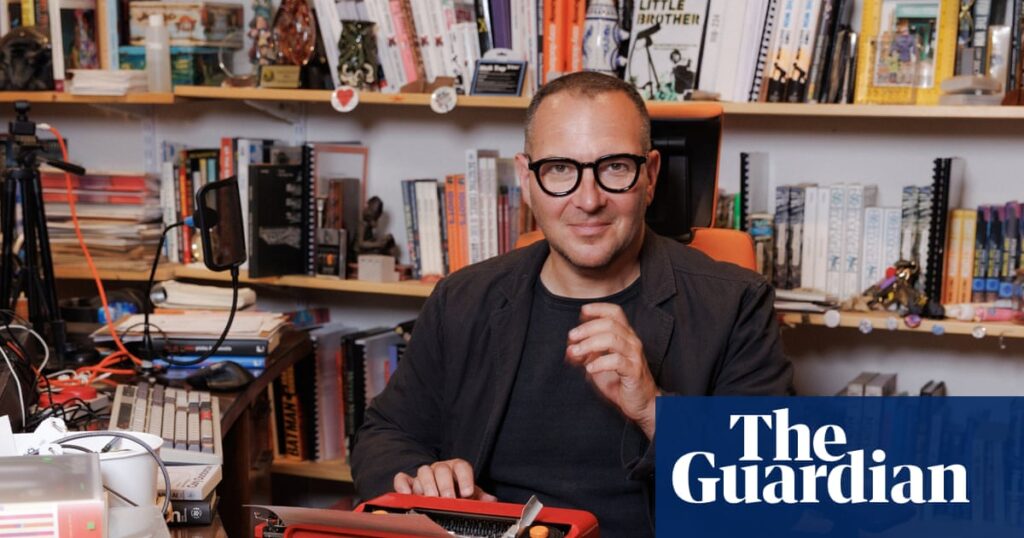

A “centaur”, in automation theory, is a person assisted by a machine, and a “reverse centaur”, hero of Cory Doctorow’s new book, The Reverse Centaur’s Guide to Life After AI, is a “human who is conscripted into acting as an assistant to a machine”. Every warehouse worker who ever had to urinate in a water bottle because they couldn’t otherwise meet the fulfilment targets set by an algorithm is a reverse centaur. Reaching into the future, everyone who has to sit in a self-driving truck to make sure it doesn’t crash, presumably on minimum rather than truck-driver wages, is a reverse centaur; as is every lawyer no longer on lawyer’s money checking Gemini’s command of precedent, every indie band scraping a living doing covers of AI-generated hits, and so on. That, anyway, is the promise: AI is coming for your job, and it is coming for your kids’ jobs, and there is no point fighting it because the future’s already here.
Wiping out the world of work, and with it our ability to sustain ourselves and live autonomous lives, is only the beginning, if you listen to AI’s architects. Elon Musk has called it the single greatest threat to human civilisation, Sam Altman has said it will “most likely lead to the end of the world” and Dario Amodei, CEO of Anthropic, memorably forecast that AI would come to see us the way we see animals: cute to have around but ultimately a resource to be exploited. “AI people claim they’re about to create God, by teaching words to a word-guessing programme,” Doctorow says. “It’s grandiose.”
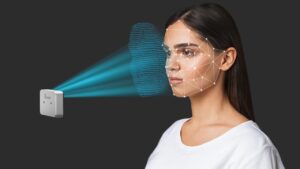
Doctorow bursts into our video-call conversation as if we’re already two hours in, his delivery puckish and urgent. He’s not happy with his new AI camera, which “supposedly tracks your face, and then doesn’t, and just points in arbitrary directions. I mean, this is where my camera thinks my face is,” he says, and indeed, it is nowhere near his face. “Thanks, camera. Glad I’m wearing trousers.”
AI cannot and will never render us obsolete, Doctorow says. “It’s a conjuring trick. That’s probably the most important thing to get across.” A machine has been invented that is really good at building sentences by predicting what word would usually come next, and we invest it with meaning, insight, omnipotence. But we’re “imputing intentionality to this thing that intends nothing. It’s not because, objectively, it seems intentional, but because, in a state of nature, we don’t encounter sentences that don’t have sentence writers, we don’t encounter images that don’t have painters, and so on.” We marvel when it does things right, and conveniently ignore what it gets wrong, or indulge its “hallucinations”, which is just a fancy word for “errors”.
“Where I think the word ‘hallucination’ is useful,” he says, “is not to describe what…
Source link
Disclaimer
We strive to uphold the highest ethical standards in all of our reporting and coverage. We blogs.grocliq.com want to be transparent with our readers about any potential conflicts of interest that may arise in our work. It’s possible that some of the investors we feature may have connections to other businesses, including competitors or companies we write about. However, we want to assure our readers that this will not have any impact on the integrity or impartiality of our reporting. We are committed to delivering accurate, unbiased news and information to our audience, and we will continue to uphold our ethics and principles in all of our work. Thank you for your trust and support.
Website Upgradation is going on for any glitch kindly connect at [email protected]