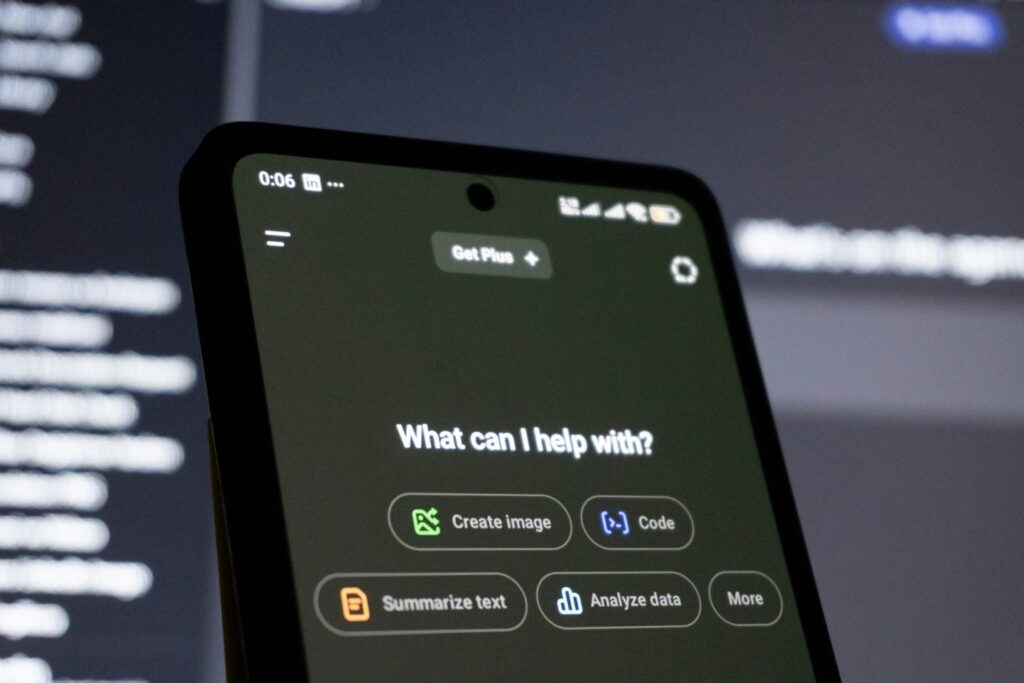

Samsung Electronics is expanding employee access to ChatGPT Enterprise and Codex, giving staff wider use of AI tools for technical and non-technical work.
According to OpenAI, the deployment covers all Samsung Electronics employees in Korea and all Device eXperience employees worldwide. The DX division includes smartphones, consumer electronics, and home appliances.
Samsung plans to use the tools in software development, marketing, product development, manufacturing, and other business functions. The tools will support tasks such as information search, document drafting, idea development, data interpretation, and code-related work.
Samsung revisits employee AI use
The rollout comes three years after Samsung restricted employee use of generative AI tools over data-security concerns. In 2023, the company limited the use of ChatGPT and similar tools after concerns that sensitive internal information had been uploaded to an external AI platform.
The new deployment gives employees access to ChatGPT Enterprise, which includes controls for data protection, user access, and security management. OpenAI said the enterprise version allows organisations to manage users, apply access controls, and use AI tools within internal security requirements.
Samsung’s earlier restrictions applied to employee use of ChatGPT and similar generative AI tools. The new rollout gives employees access through an enterprise product with data protection and access controls.
Samsung has not limited the deployment to a single business unit or technical group. OpenAI said the tools will be used across a broad range of functions, including technical and non-technical teams.
OpenAI said ChatGPT can support knowledge-based tasks such as searching for information, analysing material, drafting documents, developing ideas, and interpreting data.
Codex for technical and non-technical work
Codex will be used for software-related tasks such as writing, reviewing, and debugging code. OpenAI said the tool is also being used for internal tools, websites, software prototypes, and automated workflows.
OpenAI said Codex can also support non-technical teams in day-to-day work, including by helping employees create internal tools and automated workflows.
OpenAI said Codex now has more than five million weekly users across technical and non-technical workflows. In Korea, weekly active users of Codex have grown nearly 800% since February 1, 2026, according to the company.
Harrison Kim, general manager of OpenAI Korea, said the agreement is one of OpenAI’s largest enterprise deployments. He said Samsung is using AI across teams and functions rather than limiting it to specific departments.
Samsung and OpenAI’s infrastructure links
In October 2025, Samsung said it would work with OpenAI as a strategic memory partner for the Stargate AI infrastructure initiative, with OpenAI’s memory demand projected to reach up to 900,000 DRAM wafers per month.
Samsung SDS also entered a potential partnership with OpenAI…
Source link
Disclaimer
We strive to uphold the highest ethical standards in all of our reporting and coverage. We blogs.grocliq.com want to be transparent with our readers about any potential conflicts of interest that may arise in our work. It’s possible that some of the investors we feature may have connections to other businesses, including competitors or companies we write about. However, we want to assure our readers that this will not have any impact on the integrity or impartiality of our reporting. We are committed to delivering accurate, unbiased news and information to our audience, and we will continue to uphold our ethics and principles in all of our work. Thank you for your trust and support.
Website Upgradation is going on for any glitch kindly connect at [email protected]