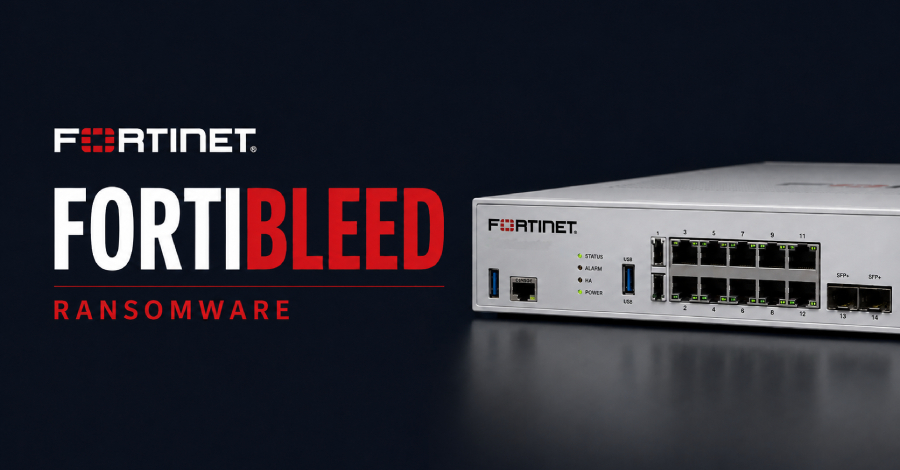


The recently discovered financially-motivated FortiBleed campaign has been attributed to INC and Lynx ransomware operations, indicating that the verified, stolen credentials were intended for follow-on intrusions.
“An operator tied to FortiBleed’s infrastructure was found actively working negotiation panels for both groups, tying mass FortiGate credential theft directly to ransomware deployment for the first time,” SOCRadar said in a new report published Wednesday.
The company said it tracked scanning activity against approximately 11,250 FortiGate portals in more than 150 countries, followed by confirmed admin-level access on 409 targets and successful completion of the full attack chain on 354 of them. In all, at least 12 ransomware deployments have resulted from this access, causing hundreds of endpoints to be encrypted across affected organizations.
The large-scale credential-harvesting operation, which came to light last month, involved the threat actors systematically scanning the internet for exposed Fortinet devices, attempting to break into them using known credential combinations, and then deploying custom packet sniffers to passively gather credentials and other authentication data from network traffic.
The campaign is assessed to have targeted 430,000 FortiGate firewalls globally, gathering over 110 million credentials in the process. The activity was exposed after an operational security error on the part of the attackers left a server containing credentials stolen from thousands of Fortinet appliances exposed on the internet.
The Golang sniffer is estimated to have been installed on about 12,000 Fortinet devices, making it a subset of the total number of networking gear targeted.
The latest findings from SOCRadar show that an operator with access to FortiBleed infrastructure was found logged in to both INC Ransom and Lynx negotiation panels, with victims listed by INC Ransom overlapping with data from the campaign. The links are based on one of the 200 newly discovered servers associated with the FortiBleed infrastructure that granted visibility into internal files, logs, and operational documentation.
Tooling, logs, and working hours indicate that the activity is the work of a Russian-speaking threat actor who likely operates as an initial access broker. Much of the targeting has singled out manufacturing, technology, and logistics sectors in Latin America and the Asia Pacific regions.
SOCRadar also said it discovered an internal document that indicates it’s an organized operation comprising about 20 people with a clear division of labor. “A small core of lead operators drives most high-impact intrusions, backed by specialists and support staff,” it added.
In addition, the threat actors are believed to be in possession of at least one zero-day vulnerability in Nextcloud. The threat intelligence firm said it’s actively coordinating with the affected…
Source link
Disclaimer
We strive to uphold the highest ethical standards in all of our reporting and coverage. We blogs.grocliq.com want to be transparent with our readers about any potential conflicts of interest that may arise in our work. It’s possible that some of the investors we feature may have connections to other businesses, including competitors or companies we write about. However, we want to assure our readers that this will not have any impact on the integrity or impartiality of our reporting. We are committed to delivering accurate, unbiased news and information to our audience, and we will continue to uphold our ethics and principles in all of our work. Thank you for your trust and support.
Website Upgradation is going on for any glitch kindly connect at [email protected]