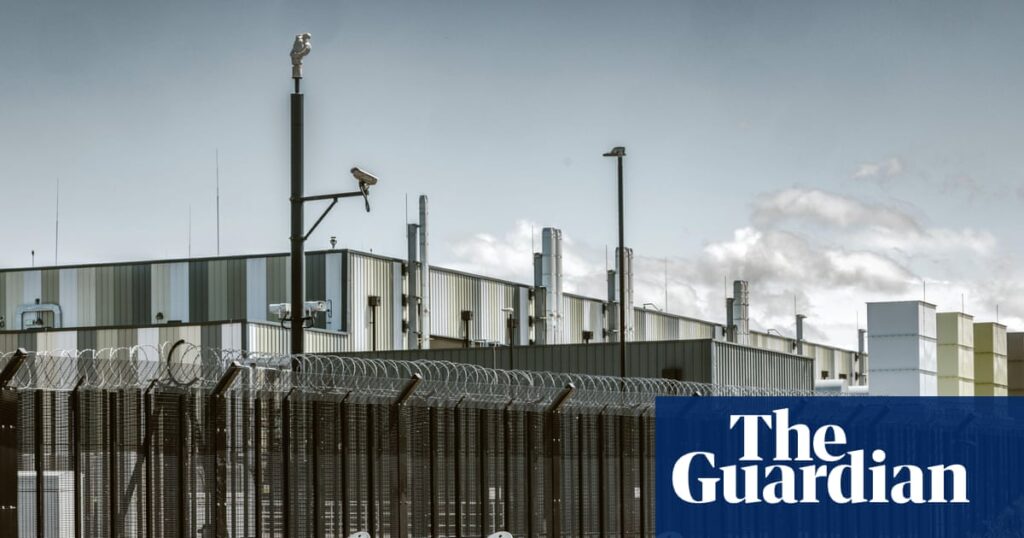

Datacentre planning proposals face all kinds of hurdles, from securing energy supply to high construction costs. But the 2,000 acre Prince William Digital Gateway site in the US state of Virginia had another problem: its proximity to a Civil War battlefield.
“If the development is allowed to proceed, the solemn nature of this historic site would become marred by sitting in the shadow of the monstrous datacentres, along with their associated electrical infrastructure,” said one legal brief against the plans.
The Gateway project is now in doubt after a local court ruling halted the project and a key backer pulled out.
It is one of hundreds of large-scale datacentre projects around the world that are in various states of development, from chancier attempts at riding the AI boom to the more committed projects that have the support of tech behemoths like Microsoft.
But while models produced by cutting-edge AI companies like OpenAI, Anthropic and Google are improving rapidly, the central nervous systems behind their technology – datacentres – are being built at a much slower pace.
The Uptime Institute, which inspects and rates datacentres, has identified 250 global datacentre projects exceeding 100MW in energy demand – equivalent to around 300,000 homes – that have been announced between 2021 and 2024.
It said approximately half of those projects will either not happen, or their completion will be delayed. Even if the cancellations and delays came to fruition, there will still be an “unprecedented and rapid” increase in the power required over the next five years, according to Uptime. Mega-projects cancelled last year include Project Range in the US state of Arizona and the Cyberjaya campus in Malaysia. The Prince William Gateway is also on the cancelled list.
This backlog poses problems for AI firms that need datacentres to train and operate their models. Google has admitted its cloud business – which uses datacentres to provide AI services like chatbots to companies and users – is “compute-constrained”, as demand for ever more powerful AI models and services increases.
Jay Dietrich, a research director at Uptime, says a number of factors are working against proposed datacentre projects. Those include: proposals from developers without datacentre experience and don’t have committed tenants; the size, scale, and energy and water consumption of individual projects and the concentration of these projects in “datacentre corridors” where projects are concentrated; and supply chain issues, including getting the chips to go in them.
“The global supply chain just cannot support the level of projects out there, on the timeline that is projected. The scale is such that it’s going to slow things down,” he says.
And, as the Prince William legal brief shows, the perennial issue of opposition from local community and environmental groups is another to consider.
Uptime says we are entering an era of mega-gigawatt datacentres. It identified…
Source link
Disclaimer
We strive to uphold the highest ethical standards in all of our reporting and coverage. We blogs.grocliq.com want to be transparent with our readers about any potential conflicts of interest that may arise in our work. It’s possible that some of the investors we feature may have connections to other businesses, including competitors or companies we write about. However, we want to assure our readers that this will not have any impact on the integrity or impartiality of our reporting. We are committed to delivering accurate, unbiased news and information to our audience, and we will continue to uphold our ethics and principles in all of our work. Thank you for your trust and support.
Website Upgradation is going on for any glitch kindly connect at [email protected]