
From the comfort of his bed, Jonathan Rinaldi, a political candidate for a city council seat in Queens, New York, tinkered away on his iPhone, prompting an artificial intelligence chatbot to mock up fake news hits and endorsements he had never received.
During the campaign last October, Rinaldi shared one of those stories, made to appear real with a CNN logo, on his Facebook and Instagram. It stated that Lynn Schulman, his opponent and an incumbent Democrat, had been “forced to drop out of the race due to a series of critical mistakes”. But Schulman had not quit her campaign, and in November, won by a landslide.
Rinaldi felt these posts were “art” – and definitely protected political speech. “I made memes and political satire; nothing I did is fake,” he said. But local officials accused the 47-year-old vaccine skeptic and serial sperm donor of defrauding voters. On 24 June, he was arrested on misdemeanor forgery charges, in what appears to be one of the first times a candidate for office could face criminal penalties after using AI in their political messaging.
“Campaigns are full of lies, OK, ” Rinaldi told the Guardian in an interview. “What I’m saying is that I’m not doing anything different than anybody else.”
While this kind of enforcement is rare, and the laws used to level charges against Rinaldi predate and do not require the use of AI, the alleged deception at the heart of the case is emblematic of a fraught national debate about regulating AI in political communications.
Rinaldi disputes he violated any laws and worries about the free speech implications of being arrested for online activity. “It is very important for the police to not be able to arrest you on complaints for social media posts that are created by AI,” he said.
AI-generated ads are everywhere this election season. They mostly hype up candidates, or mock their opponents – often paid for by outside groups unaffiliated with the candidates. But their widespread use – and the occasional bad actor – are fueling concerns that deceptive political content could manipulate voters and amplify misinformation ahead of the November midterms.
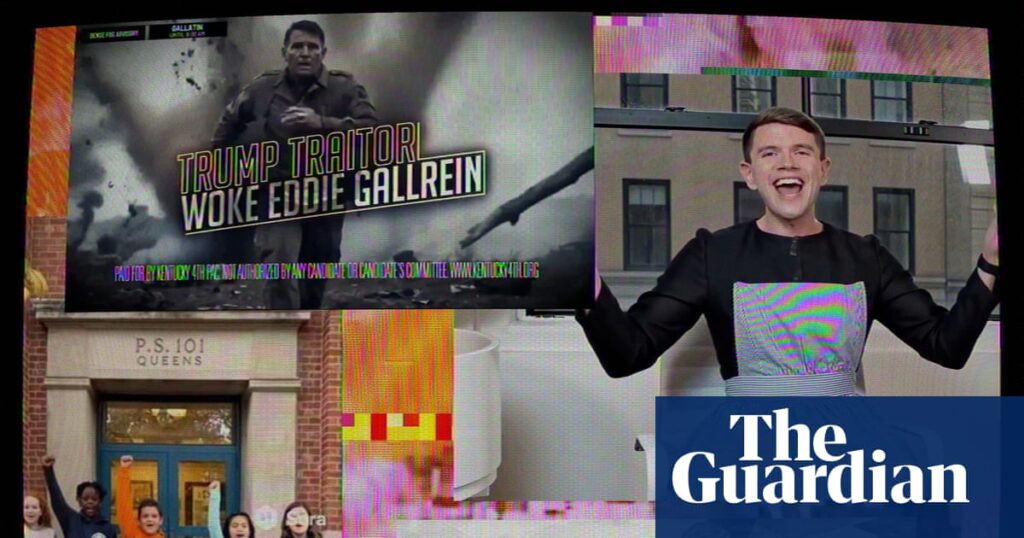
In congressional primary races across the country, attention-grabbing AI-generated ads are already sparking controversy. One video depicted James Talarico, a Texas Democratic Senate candidate, dressed as Maria from the Sound of Music and singing a version of My Favorite Things about trans kids. Another suggested Thomas Massie, a conservative Kentucky congressman, was “in a throuple” with progressive “Squad members”: showing the lawmakers holding hands as they checked into a hotel room. Spencer Pratt, a Los Angeles mayoral candidate, took on the role of Batman and portrayed his opponent Karen Bass, as the Joker in a bizarre digital spectacle that garnered millions of views and helped propel him from fringe outsider to serious contender.
Source link
Disclaimer
We strive to uphold the highest ethical standards in all of our reporting and coverage. We blogs.grocliq.com want to be transparent with our readers about any potential conflicts of interest that may arise in our work. It’s possible that some of the investors we feature may have connections to other businesses, including competitors or companies we write about. However, we want to assure our readers that this will not have any impact on the integrity or impartiality of our reporting. We are committed to delivering accurate, unbiased news and information to our audience, and we will continue to uphold our ethics and principles in all of our work. Thank you for your trust and support.
Website Upgradation is going on for any glitch kindly connect at [email protected]