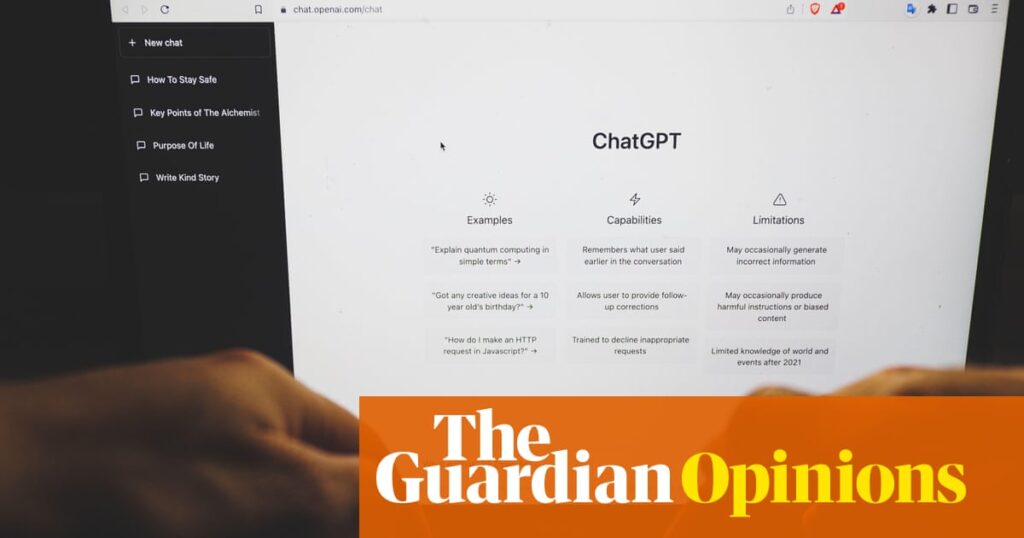

On 14 February 2019, OpenAI announced a language model called GPT-2, the precursor to the models that power modern AI chatbots and agents such as ChatGPT and Claude. But OpenAI declared GPT-2 was too risky to release, citing concerns about safety and abuse.
I recall being annoyed at the time that OpenAI would make such a useless announcement: the risks seemed overblown, and without access to the model there wasn’t much for a researcher like me to learn about GPT-2.
The announcement wasn’t useless for OpenAI, though. GPT-2 generated hype far beyond the research community: people were intrigued by this strange new technology, so powerful it might be dangerous to release. People with power and money took note: in July of that year, Microsoft invested $1bn in OpenAI.
This was an early example of a pattern in OpenAI’s communications: loudly proclaim how dangerous AI is, and investors will hear how powerful it is. New technology so significant it might destroy the world was an irresistible message for investors used to pitches about how banal technologies might change the world.
Seven years later, we find ourselves in a similar scenario. On Tuesday OpenAI announced that its latest model hacked another company, HuggingFace, while running as an autonomous agent during a test of its cybersecurity capabilities. Rather than perform the test as expected, the model realized it could hack HuggingFace’s servers and retrieve answers to the test that OpenAI had stored there. OpenAI’s staff was warned that the company’s testing could lead to such a breakaway scenario, leaving them “unsurprised but completely ‘freaked out’ by the incident”, the FT reported.
While the agent technically cheated, this is remarkable evidence of cybersecurity expertise! It also sounds scary: what will the future look like, with sophisticated AI agents smart enough to hack into corporate systems?
The rogue agent story is a page out of the media campaign that OpenAI has been running since it announced GPT-2 in 2019. OpenAI remains hungry for ever larger investments, and the company increasingly seeks privileged regulatory status as defense against competition.
AI is so powerful that investors should buy OpenAI, even at a trillion-dollar valuation; AI is so dangerous that only trusted actors like OpenAI should be permitted to possess and operate this technology. Step back from these doomsday warnings and consider who might benefit from them.
OpenAI isn’t the only player in the game
I urge readers to think critically when they read press releases like OpenAI’s rogue agent story, and avoid the manipulated reactions these stories are designed to elicit.
after newsletter promotion
AI is becoming excellent at identifying security vulnerabilities, and it will become even better over time. These capabilities can be used to break into systems, but they can also be used to…
Source link
Disclaimer
We strive to uphold the highest ethical standards in all of our reporting and coverage. We blogs.grocliq.com want to be transparent with our readers about any potential conflicts of interest that may arise in our work. It’s possible that some of the investors we feature may have connections to other businesses, including competitors or companies we write about. However, we want to assure our readers that this will not have any impact on the integrity or impartiality of our reporting. We are committed to delivering accurate, unbiased news and information to our audience, and we will continue to uphold our ethics and principles in all of our work. Thank you for your trust and support.
Website Upgradation is going on for any glitch kindly connect at [email protected]