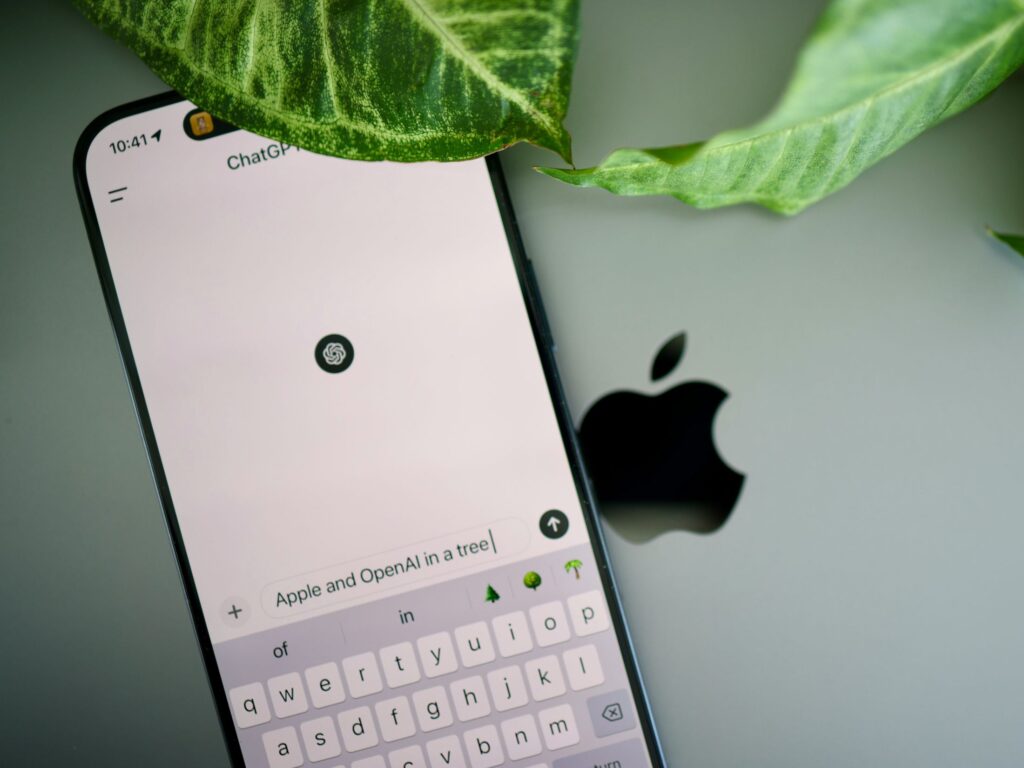

OpenAI is deploying a Health feature inside ChatGPT, giving users the option to connect Apple Health data and medical records to the chatbot. Logged-in users aged 18 and older can access it now on web and iOS, across the Free, Go, Plus, and Pro tiers.
Users link Apple Health and, where supported, records from US hospital systems, One Medical, or Function Health. Once synced, ChatGPT can pull medications, lab results, recent visits, sleep data, and activity logs into any conversation in the app, rather than confining that context to a separate section.
OpenAI ran an earlier version of this idea with a smaller test group, one that required users to open a dedicated health area to get responses grounded in their own data.
The company found that more than 70 percent of health-related conversations among that group happened somewhere else entirely, in the middle of meal planning or an unrelated symptom query, not inside the dedicated space built for that purpose.
That data led to this redesign. Rather than forcing users into a specific mode to get contextual answers, ChatGPT now draws on connected Health information across any conversation, provided the user has granted permission.
A person planning a dinner out might get a restaurant suggestion that accounts for a logged dietary restriction. Someone asking about weekend plans might get activity suggestions adjusted for a recent injury noted in their synced records.
The Health tab in the sidebar still exists, but its role has shifted to being a management hub: connecting accounts, reviewing synced data and trends, browsing suggested prompts, and returning to past health-related chats.
What early testers of the Health feature in ChatGPT report
OpenAI published numerous accounts from its early access group, and the details are worth weighing against the company’s own framing of the tool as support rather than diagnosis.
Blake, a technical program manager, said: “The most useful part has been turning scattered medical history into something I can actually understand and explain. I have multiple overlapping issues and ChatGPT helped connect those pieces into a clear timeline, explain the medical terms in plain English, and create summaries I could share with a physical therapist or trainer.”
On the shift from disconnected records to a usable pattern, Blake added: “Instead of just seeing disconnected diagnoses, imaging results, and surgery notes, I could understand the bigger pattern. It made the information more usable and gave me better language to advocate for myself with providers and trainers.”
Reweti, a portfolio manager, pointed to longitudinal analysis as the differentiator over a standard search or a one-off doctor visit: “What I want is to infer patterns that aren’t obvious and make connections I wouldn’t have made on my own.
“ChatGPT can access my existing labs because I’ve connected everything, and it can look over time—that’s the big advantage. It’s like having a research…
Source link
Disclaimer
We strive to uphold the highest ethical standards in all of our reporting and coverage. We blogs.grocliq.com want to be transparent with our readers about any potential conflicts of interest that may arise in our work. It’s possible that some of the investors we feature may have connections to other businesses, including competitors or companies we write about. However, we want to assure our readers that this will not have any impact on the integrity or impartiality of our reporting. We are committed to delivering accurate, unbiased news and information to our audience, and we will continue to uphold our ethics and principles in all of our work. Thank you for your trust and support.
Website Upgradation is going on for any glitch kindly connect at [email protected]