
Image by Getty / Futurism
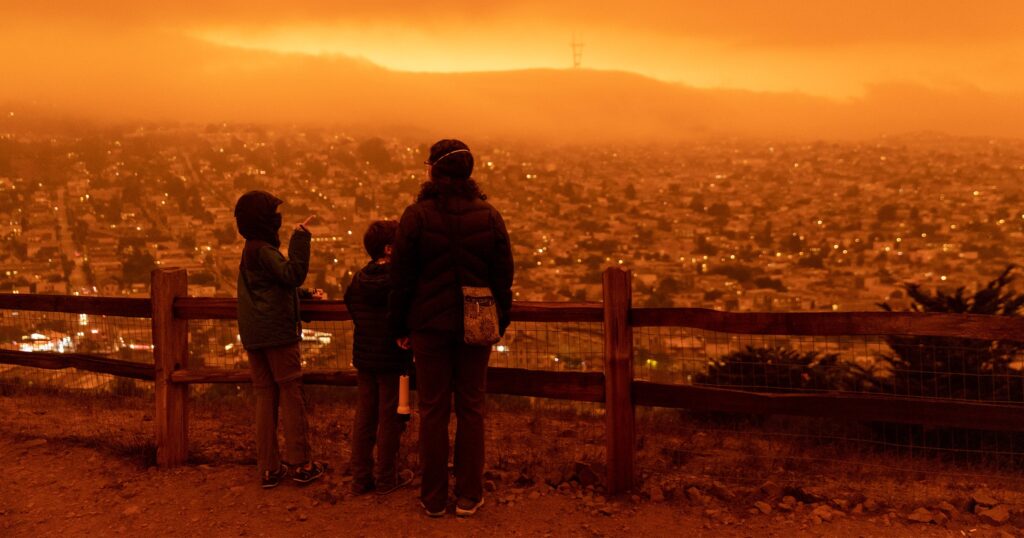
Have you gone outside recently and smelled an acrid odor, perhaps accompanied by a hellish orange sky?
Check the news, and you were likely downwind of massive wildfires like those in the Canadian province of Manitoba or the Florida Everglades— an increasingly regular event as millions of people find themselves in the path of noxious smoke, sometimes from a country away.
Wildfires are becoming more common than ever amid the ravages of climate change — and those who breathe in their smoke, even far away from the source of the blazes, are at far greater risk than scientists previously realized.
As detailed in a new study published in The Lancet Planetary Health journal, health data analysis shows that wildfire-related deaths in Europe have been underestimated by a whopping 93 percent, partially because the average person doesn’t know that the smoke from these conflagrations can travel hundreds or even thousands of miles from the initial fire.
Using records from EARLY-ADAPT, a large database analyzing health and the environment, researchers from the Barcelona Institute for Global Health cross-referenced daily mortality records from 32 European countries and daily estimates of fire-related and non-fire-related fine particulate matter (PM2.5) pollution for the years 2004 to 2022 to try to gain a better understanding of these fires’ actual death tolls.
What they found was sobering: some 535 people on average died every year in those 32 countries from heart and respiratory conditions associated with breathing PM2.5 from wildfires during that 18-year time period. Using standard methods, which presumed that breathing in those particulates is no more toxic or deadly than carbon emissions from traffic — a misconception countered in a 2021 paper suggesting PM2.5 could be up to ten times deadlier — the mortality rate would only be about 38 people on average.
Along with those upsetting figures, the Barcelona researchers also noted that wildfire smoke doesn’t stay put, but is capable of traveling thousands of miles and even to other continents, which could theoretically make that annual average death toll even higher.
As study author Anna Alari explained in a statement, human-driven climate change is making wildfires more frequent and intense because it “creates favorable conditions for their spread and increases the number of days with very high or extremely high fire risk.”
Indeed, a new analysis from the AFP found that in 2025 alone, European wildfires have burnt an outrageous one million hectares, or nearly 2.5 million acres, of land — a record-breaking figure that surpasses any recorded since fire regulators began tallying them back in 2006.
With rampant wildfire smoke exacerbating asthma and respiratory illnesses all across the world over the past few years, this paper adds to the uncertainties associated with these ever-increasing blazes — and serves as an unsettling reminder that what we believe about morbidity and…
Source link
Disclaimer
We strive to uphold the highest ethical standards in all of our reporting and coverage. We blogs.grocliq.com want to be transparent with our readers about any potential conflicts of interest that may arise in our work. It’s possible that some of the investors we feature may have connections to other businesses, including competitors or companies we write about. However, we want to assure our readers that this will not have any impact on the integrity or impartiality of our reporting. We are committed to delivering accurate, unbiased news and information to our audience, and we will continue to uphold our ethics and principles in all of our work. Thank you for your trust and support.
Website Upgradation is going on for any glitch kindly connect at [email protected]