
Today’s large-scale AI systems are founded on what appears to be an extraordinarily brazen criminal enterprise: the wholesale, unauthorised appropriation of every available book, work of art and piece of performance that can be rendered digital.
In the scheme of global harms committed by the tech bros – the undermining of democracies, the decimation of privacy, the open gauntlet to scams and abuse – stealing one Australian author’s life’s work and ruining their livelihood is a peccadillo.
But stealing all Australian books, music, films, plays and art as AI fodder is a monumental crime against all Australians, as readers, listeners, thinkers, innovators, creators and citizens of a sovereign nation.
The tech companies are operating as imperialists, scouring foreign lands whose resources they can plunder. Brazenly. Without consent. Without attribution. Without redress. These resources are the products of our minds and humanity. They are our culture, the archives of our collective imagination.
If we don’t refuse and resist, not just our culture but our democracy will be irrevocably diminished. Australia will lose the wondrous, astonishing, illuminating outputs of human creative toil that delight us by exploring who we are and what we can be. We won’t know ourselves any more. The rule of law will be rendered dust. Colony indeed.
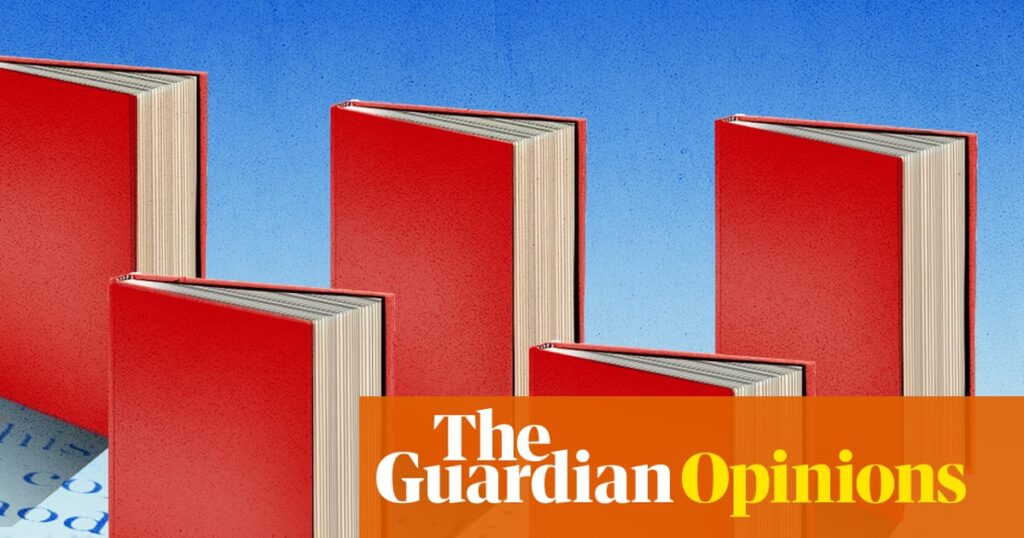
Tech companies have valorised the ethos “move fast and break things”, in this case, the law and all it binds. To “train” AI, they started by “scraping” the internet for publicly available text, a lot of which is rubbish. They quickly realised that to get high-quality writing, thinking and words they would have to steal our books. Books, as everyone knows, are property. They are written, often over years, licensed for production to publishers and the rental returns to authors are called royalties. No one will write them if they can be immediately stolen.
Copyright law rightfully has its critics, but its core protections have enabled the flourishing of book creation and the book business, and the wide (free but not “for free”) transmission of ideas. Australian law says you can quote a limited amount from a book, which must be attributed (otherwise it’s plagiarism). You cannot take a book, copy it entirely and become its distributor. That is illegal. If you did, the author and the publisher would take you to court.
Yet what is categorically disallowed for humans is being seriously discussed as acceptable for the handful of humans behind AI companies and their (not yet profit-making) machines.
To the extent they care, tech companies try to argue the efficiency or necessity of this theft rather than having to negotiate consent, attribution, appropriate treatment and a fee, as copyright and moral rights require. No kidding. If you are setting up a business, in farming or mining or manufacturing or AI, it will indeed be…
Source link
Disclaimer
We strive to uphold the highest ethical standards in all of our reporting and coverage. We blogs.grocliq.com want to be transparent with our readers about any potential conflicts of interest that may arise in our work. It’s possible that some of the investors we feature may have connections to other businesses, including competitors or companies we write about. However, we want to assure our readers that this will not have any impact on the integrity or impartiality of our reporting. We are committed to delivering accurate, unbiased news and information to our audience, and we will continue to uphold our ethics and principles in all of our work. Thank you for your trust and support.
Website Upgradation is going on for any glitch kindly connect at [email protected]