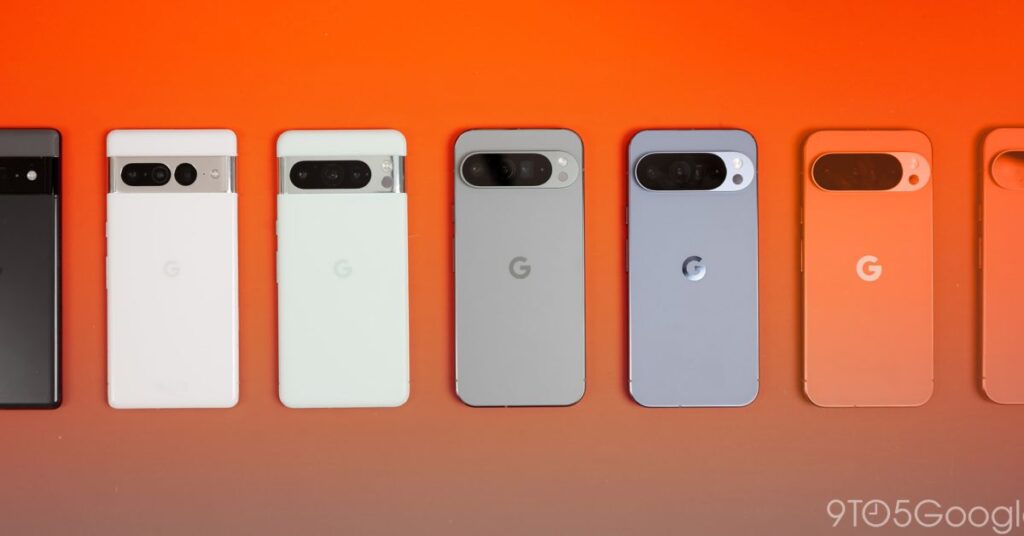

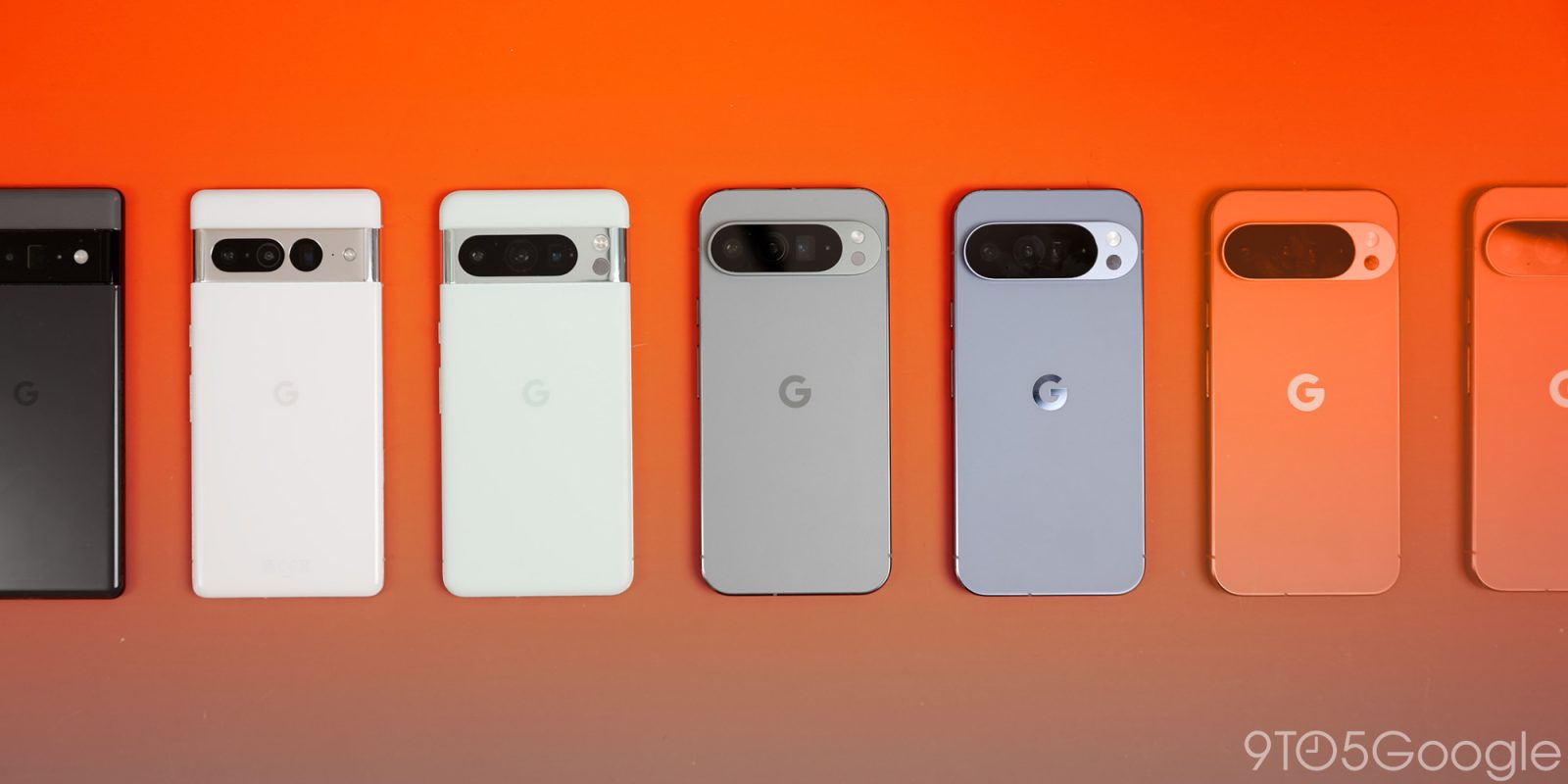
Google is sticking to a tried-and-tested Pixel design for the foreseeable future. This is not only a good thing, but it’s a great thing, and as the roadmap comes into focus, it makes even more sense the longer we look at things. Here’s why.
Are we at the limit of smartphone design?
Save foldables, over the past few years, most smartphones have converged in design, stature, and core functions. Because the front of a phone is almost all display now, the only real way to differentiate your device from another is how the camera stack looks at the back.
Samsung and Apple have chased thinner profiles with the Galaxy S25 Edge and iPhone Air, but with a smaller portfolio and less room for experimental form factors, Google has doubled down on the camera bar to help make Pixel phones stand out. Without that, you could be forgiven for thinking the Pixel 9 and Pixel 10 were just rebadged iPhones.
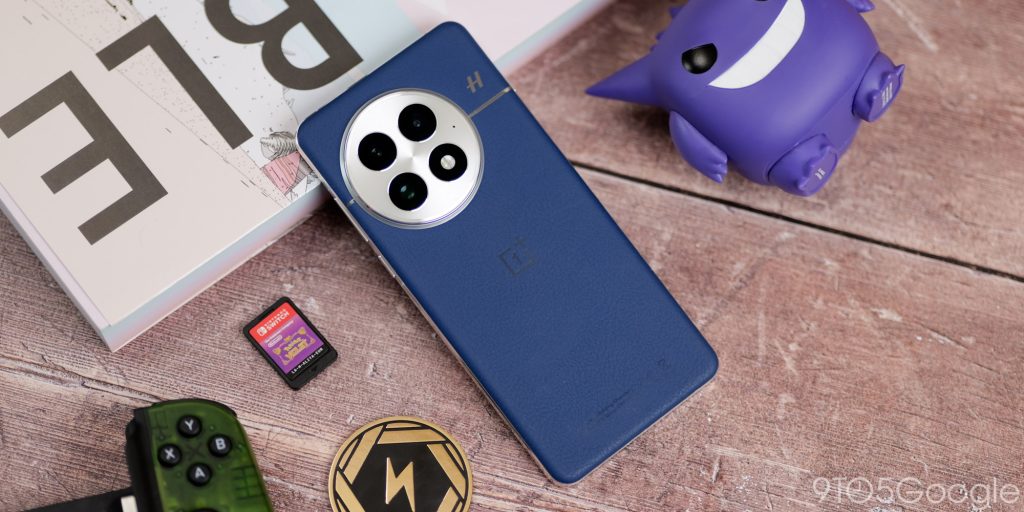
From a pure aesthetic perspective, there isn’t a great deal of wiggle room to change things up without giving up the identity or affecting the usability. Smaller display bezels, a bigger camera bump, maybe a thinner profile. We hit “peak” smartphone a few years ago, and only China is really trying to do anything different with massive camera sensors and hulking camera bulges to take advantage of the hardware. Google won’t do that with Pixel design as the company is focused on refining a product that has only just started to be competitive in most areas for the first time.
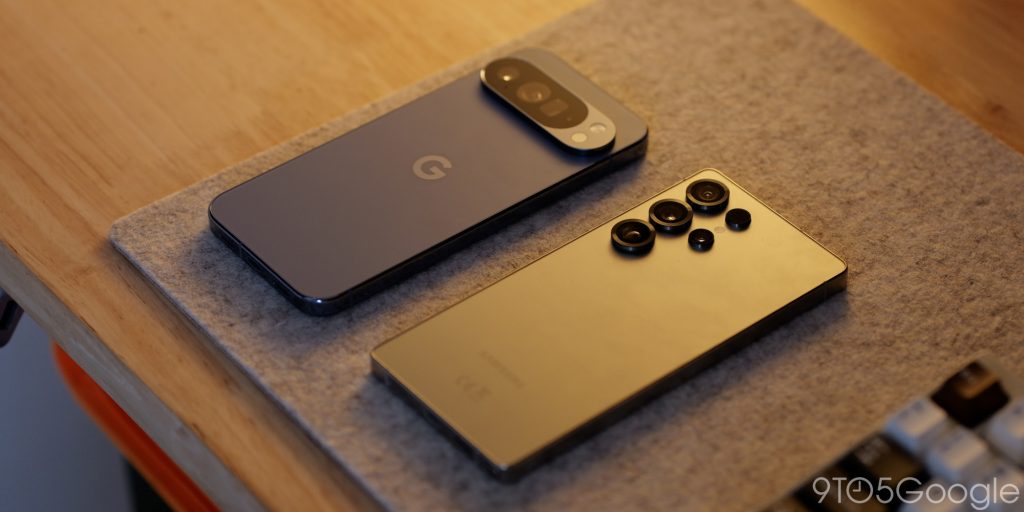
Although there are similarities in size and stature, thanks to the camera bar, the Pixel has a strong identity that not only pays homage to one of the most iconic Nexus phones. We’ve had a central camera position before, but few have done this quite so intently. The camera bar is entirely unique and a strong visual anchor for the Pixel brand, which is why Google is hesitant to give it up. Given how important the camera has been for Pixel phones, it’s Google’s way of telling us: “This phone is all about the camera.”
One of the few downsides is that while we have a camera bar on the slabphones, the lack of a camera strip on the Pixel 9 Pro Fold and 10 Pro Fold may be due to engineering constraints. These phones still keep a floating panel for the camera layout, and while it’s not as prominent, it still retains some of the “true” camera bar aesthetic without getting too far away from the original premise.
It feels like we are very much at the limit of smartphone design. Some brands are going thinner and lighter. While others are trying to go bigger and bolder. Google is slap bang in the middle, and that seems to be the safest play to date.
Why does this matter? Well, Google has flat-out confirmed that we are not going to get major design changes each and every year from now on. We’re all well aware that the…
Source link
Disclaimer
We strive to uphold the highest ethical standards in all of our reporting and coverage. We blogs.grocliq.com want to be transparent with our readers about any potential conflicts of interest that may arise in our work. It’s possible that some of the investors we feature may have connections to other businesses, including competitors or companies we write about. However, we want to assure our readers that this will not have any impact on the integrity or impartiality of our reporting. We are committed to delivering accurate, unbiased news and information to our audience, and we will continue to uphold our ethics and principles in all of our work. Thank you for your trust and support.
Website Upgradation is going on for any glitch kindly connect at [email protected]