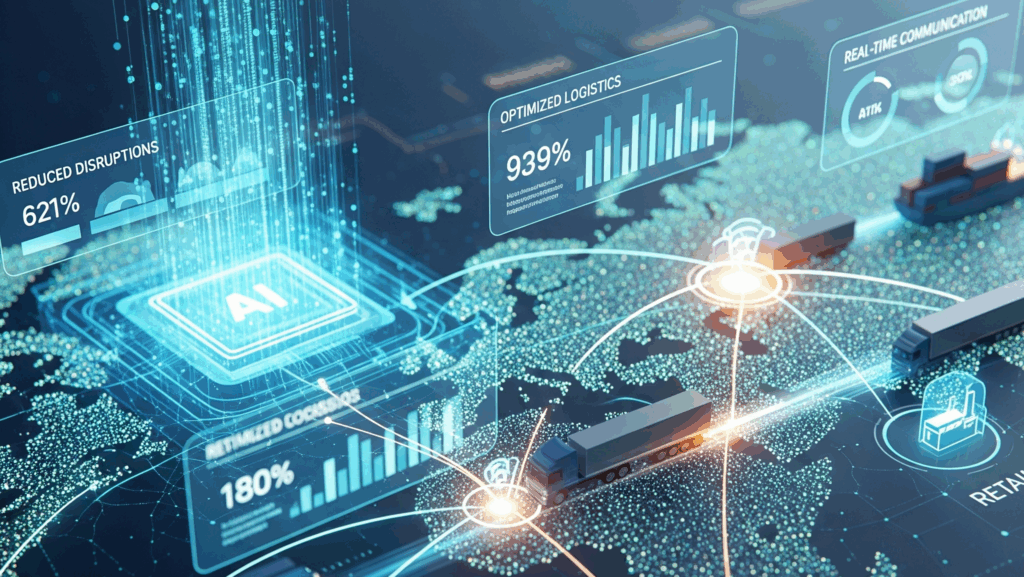

Artificial intelligence (AI) can lead to a noteworthy rise of around 34-37% in global trade in the next 15 years, as per a World Trade Organisation (WTO) report titled ‘Making trade and AI work together to the benefit of all’.
Furthermore, global GDP (Gross Domestic Product) can witness a 12-13% rise across different scenarios based on different degrees of policy and technological catch-up between low, middle, and high-income economies
Meanwhile, trade can be an effective enabler of inclusive, AI-supported growth by helping economies get access to AI-enabling goods, such as raw materials, semiconductors and intermediate inputs.
“With the right mix of trade, investment and complementary policies, AI can create new growth opportunities in all economies. [And] with the right frameworks, trade can play a central role in making AI work for all,” WTO Director-General Ngozi Okonjo-Iweala remarked.
At the same time, she acknowledged that access to AI on the global level today remains highly fragmented.
“AI has vast potential to lower trade costs and boost productivity. However, access to AI technologies and the capacity to participate in digital trade remain highly uneven,” Okonjo-Iweala added.
In this regard, the WTO report suggests that AI’s impact on inclusive growth will depend on how this digital divide is addressed and how the technology spreads globally.
The report also notes that AI-driven trade’s cost reductions and productivity gains can translate into a rise in global trade and income. However, it also takes into account the fact that AI can displace workers by automating their tasks or occupations.
How AI Can Help Boost Global Trade
The WTO report says that AI can help reduce trade costs by optimising logistics, streamlining regulatory compliance and contract enforcement, reducing language barriers, enhancing global communication, and improving search and matching processes between suppliers and buyers.
Optimising Logistics
With respect to optimising logistics, AI can assist in detecting or predicting demand surges and bottlenecks in international supply chains. It can also assess the resilience of supply networks and reduce trade disruptions caused by unexpected events.
For instance, AI can provide real-time visibility of the entire supply chain by integrating data from suppliers, manufacturers, logistics providers and customers, thereby allowing a quicker response when disruptions occur.
regulatory compliance
Moving on, AI can also help facilitate regulatory compliance via automating and streamlining customs clearance processes and navigating complex trade regulations along with compliance requirements.
For example, AI-powered solutions tackle the complexities of reporting and complying with the EU’s Carbon Border Adjustment Mechanism (CBAM) by integrating machine learning into a data management platform to help collect, manage and report emissions data more…
Source link
Disclaimer
We strive to uphold the highest ethical standards in all of our reporting and coverage. We blogs.grocliq.com want to be transparent with our readers about any potential conflicts of interest that may arise in our work. It’s possible that some of the investors we feature may have connections to other businesses, including competitors or companies we write about. However, we want to assure our readers that this will not have any impact on the integrity or impartiality of our reporting. We are committed to delivering accurate, unbiased news and information to our audience, and we will continue to uphold our ethics and principles in all of our work. Thank you for your trust and support.
Website Upgradation is going on for any glitch kindly connect at [email protected]